Getting the Heat Right in Mobile Glass Repair Brackets
When you’re trying to cram high-performance infrared (IR) heaters into a mobile repair bracket, you’re basically fighting a war between power and space. It’s a tight squeeze. And when you’re working with tempered glass, there’s no room for error. If the heat isn’t perfectly even, the glass can crack from thermal shock. Not a great look for any repair job.
Squeezing Power into Small Spaces
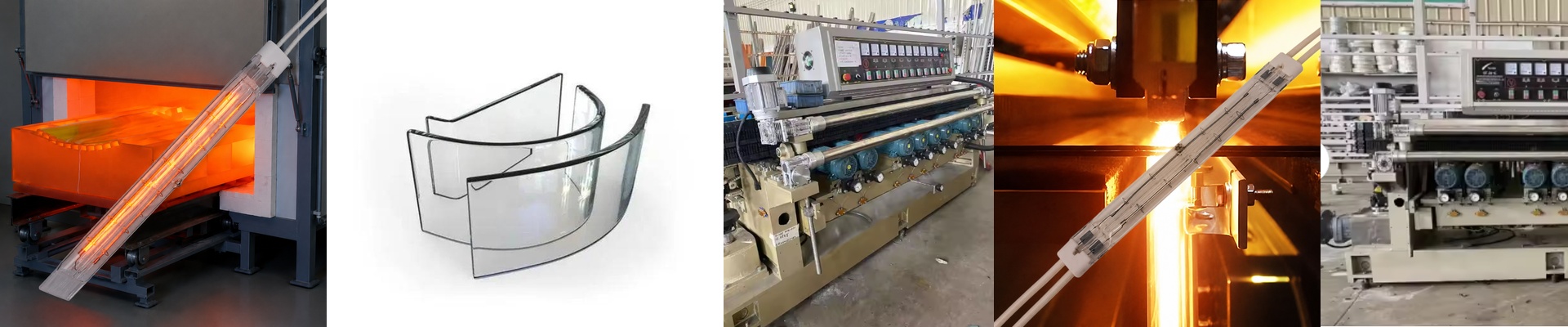
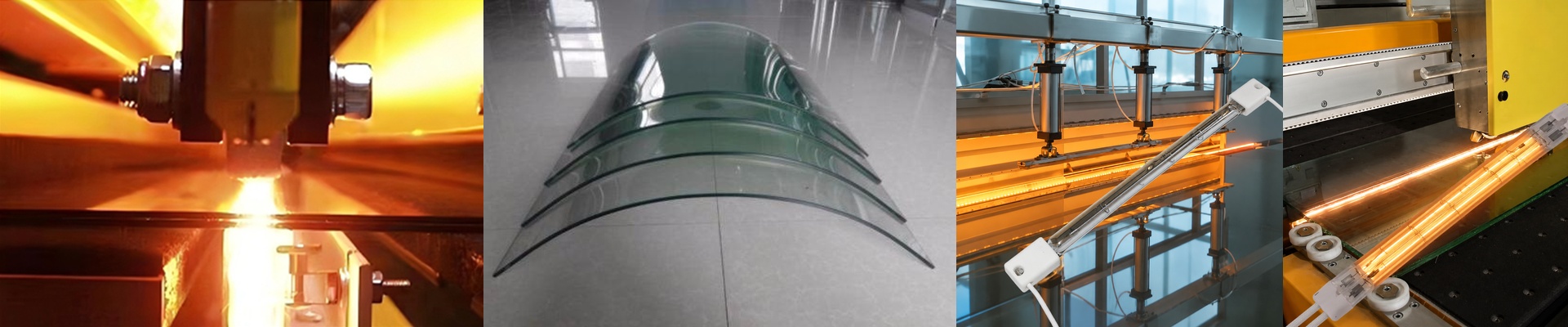
In a mobile setup, you can’t just throw a massive heating bank at the problem. You don’t have the room. Instead, we use short-wave IR lamps to pack a lot of energy into a tiny area. The trick is balancing the wattage and the length of the lamp so you hit the right temperature without making the bracket bulky. You also have to be smart about your voltage. If your power supply is on the weaker side, we tweak the filament’s thickness and length. That way, you get the heat you need without tripping your circuit breakers every five minutes.
Picking the Right Parts
For these small builds, quartz halogen tubes are the way to go. They heat up fast—which is exactly what you need when you’re out in the field and time is money. We also use special coatings to make sure the energy actually sinks into the glass rather than just warming up the air around it. One pro tip: don’t mount these lamps too tightly. Quartz expands when it gets hot. If the bracket is too rigid, the lamp will just snap. You have to give it some room to breathe.
The Trade-offs
Here’s the catch. When you concentrate that much heat in one spot, your bracket housing takes a beating. If you use cheap materials, the frame will warp. That’s why we stick to ceramic insulators or heat-resistant alloys. And keep an eye on your electronics. If you push the wattage too high in a closed space, the ambient temperature spikes. If your fans or heat sinks aren’t up to the task, your control board is going to fry. Simple as that.