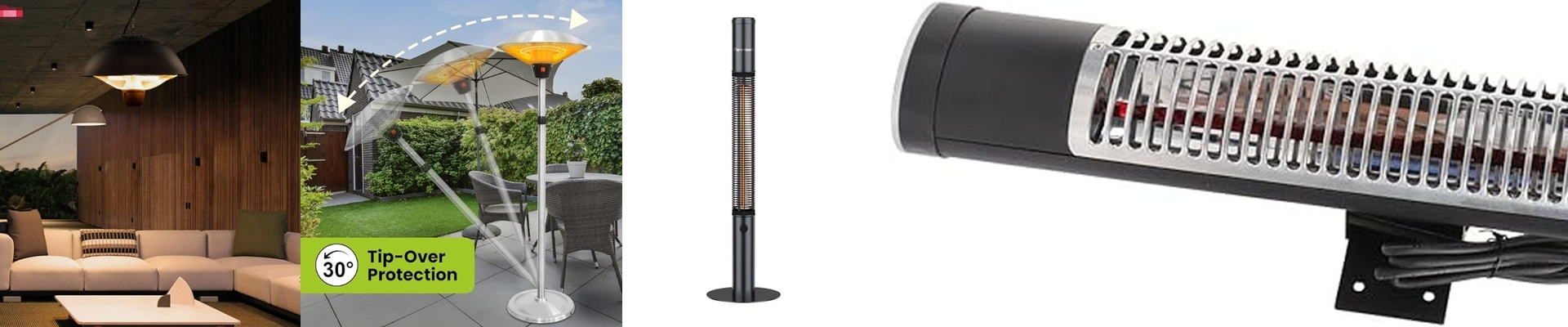
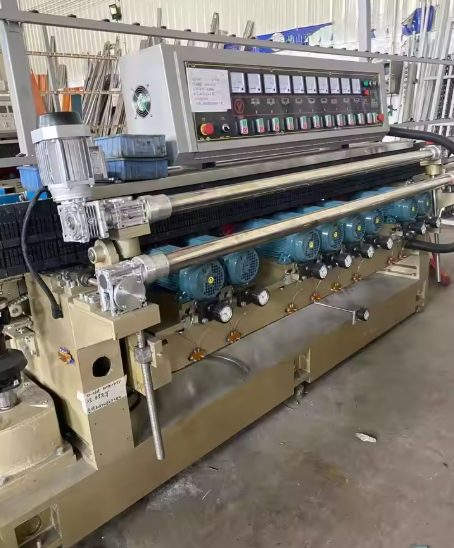
Getting Your Infrared Lamps to Actually Work With Your Power Grid
If you’re running a glass cutting line, you know the drill: thermal shock is everything. Get it wrong, and you’re looking at a mess. Here’s the problem. If your preheating lamp isn’t a perfect match for your plant’s voltage, you’re playing a dangerous game. You’ll either fry the filament instantly or you won’t hit the temperature needed for that clean, crisp break. We don’t believe in “one size fits all.” While everyone else pushes standard 220V, we build our lamps to fit the real world—whether that’s 110V, 480V, or 575V.
Why Voltage Actually Matters
It’s not just about whether the lamp plugs in. It’s about how the heat behaves. When you move up to 480V or 575V, you can hit those high wattage numbers without pulling a massive amount of amperage. That’s a huge win. It means you don’t need chunky, oversized wiring, and you won’t deal with that annoying voltage drop when your production lines stretch across the floor. We make sure the wattage-per-inch stays the same, regardless of the voltage. So, whether you’re running a setup in North America or Europe, the heat hitting the glass feels exactly the same.
The Nitty-Gritty: Quartz and Connections
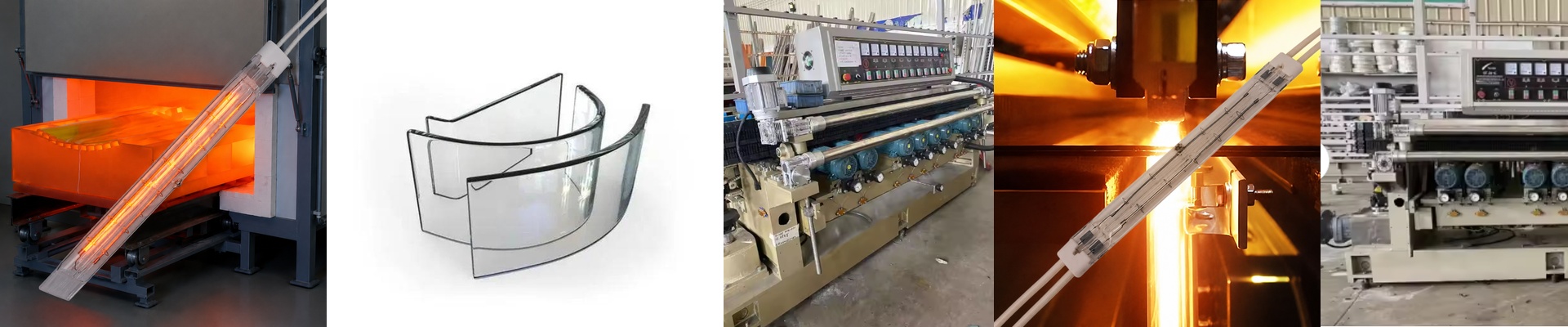
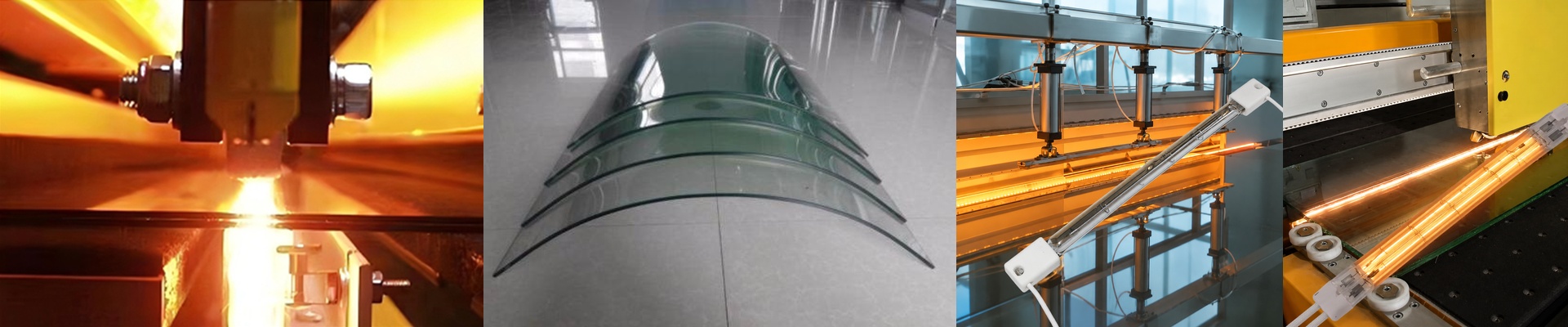
We use heavy-wall quartz glass. Why? Because glass cutting is brutal on equipment, and these lamps need to survive constant heating and cooling without cracking. One thing to watch out for: the connectors. We use R7s or Sk15. Make sure they’re snug. A loose connection at these power levels is a recipe for disaster—it creates an arc that can literally melt your socket. We stick with shortwave infrared. It’s the only way to get the heat deep into the glass quickly. It keeps the core warm without scorching the surface.
A Few Things to Watch Out For
High-voltage lamps pack a punch. They give you a ton of heat in a tiny space, but they aren’t “plug and play” in every scenario. Double-check your control transformers and contactors. They need to be able to handle the initial surge of power when the lamps kick on. And if you’re dropping these into an old machine, take a look at your wiring insulation. Those high-voltage lines can get toasted if they’re sitting too close to the quartz envelopes. It’s a small detail, but it’s the kind of thing that causes a headache six months down the road.