Stop Fighting Your Hardware: A Better Way to Swap Infrared Lamps
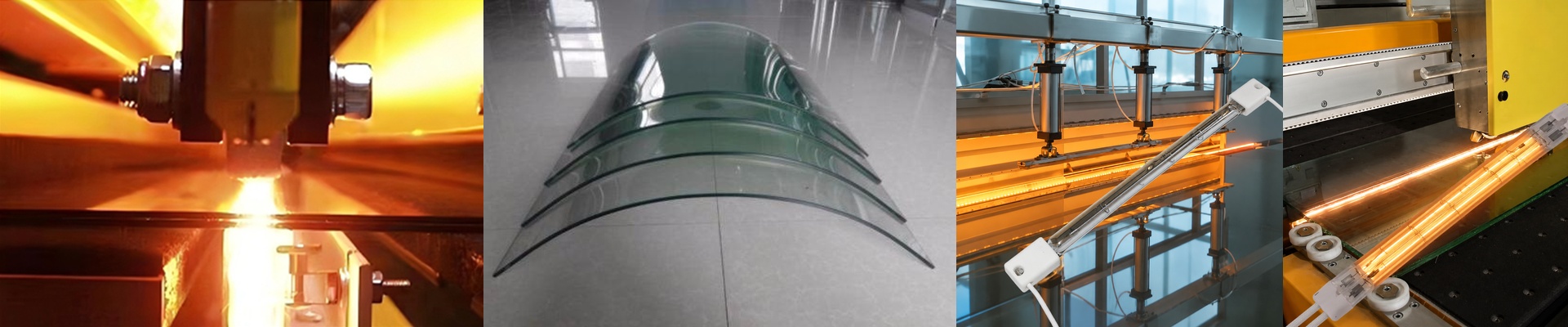
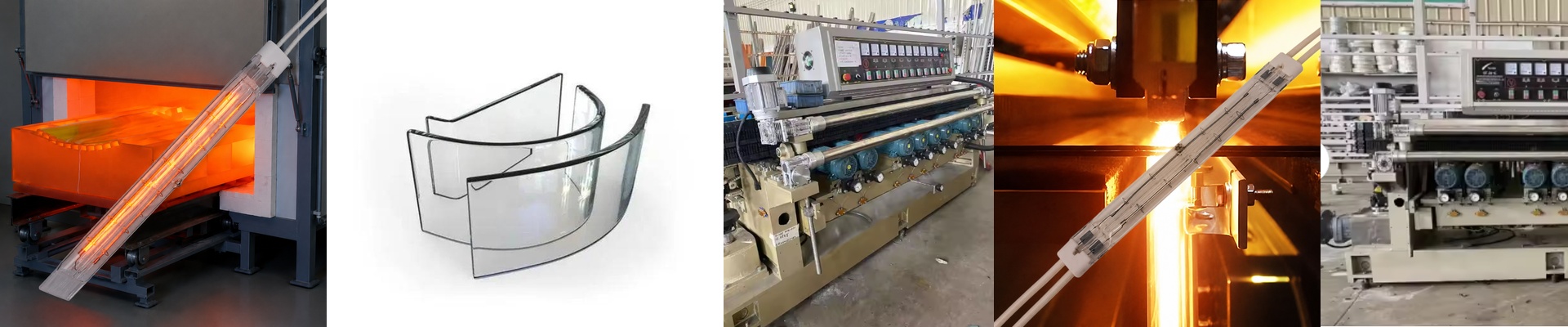
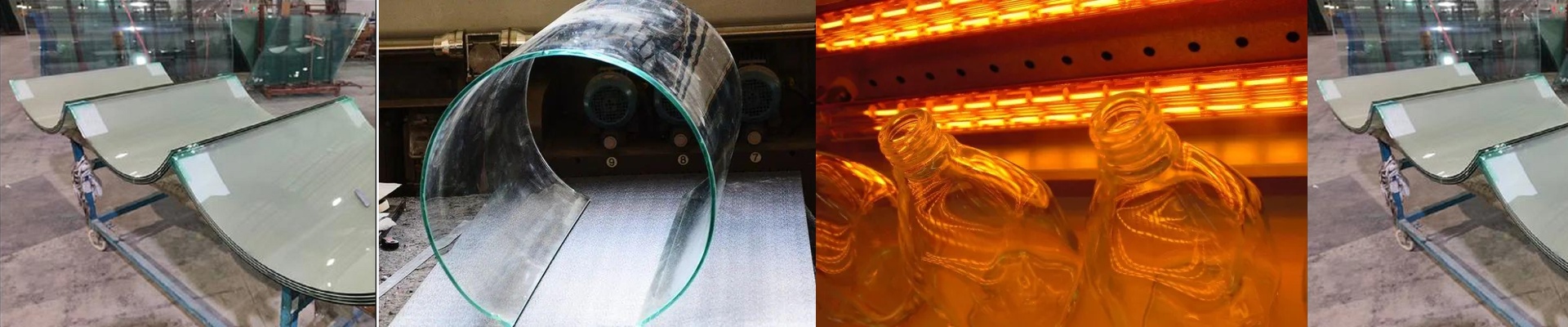
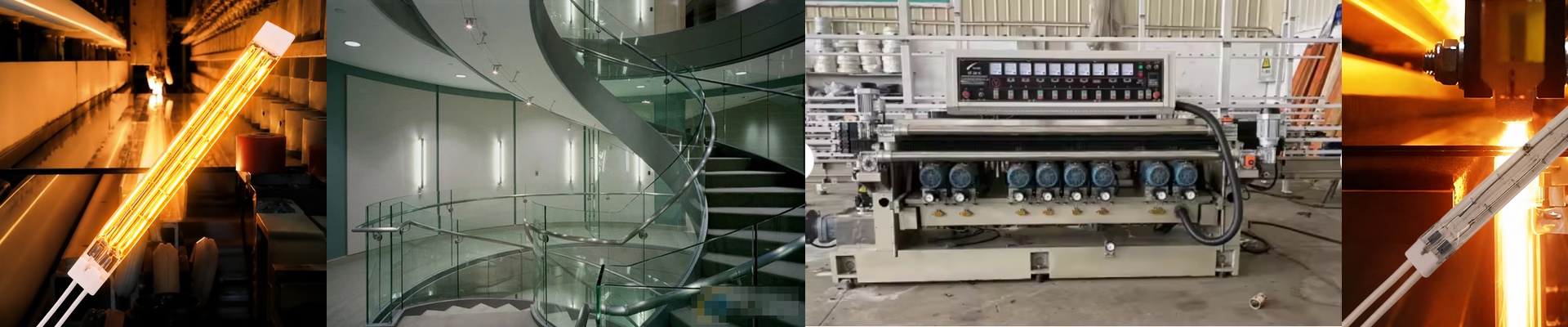
Let’s be honest. When you’re trying to dial in your thermal control for precision annealing, the actual heating part is rarely the problem. The real nightmare? The physical fit. There is nothing worse than ordering a new heating array only to realize it doesn’t actually fit your machine. You end up spending hours drilling new holes or messing with the wiring just to get things to line up. We’ve been there, and we hated it. That’s why we built our infrared lamps to just… fit. No drilling. No rewiring. No headaches. We went with a “drop-in” approach. It doesn’t matter if you’re dealing with basic screw-in heads or those weird, proprietary interfaces that only one company in the world makes. We match those footprints. When a lamp burns out or you decide you need more heat density, you just swap them. You don’t have to touch your control cabinet or tear apart your mounting brackets. It’s fast. Really fast. And when every hour of downtime is costing you a fortune, that speed is everything. But here is the thing: you can’t just throw more power at the problem without a plan. If you jump to a high-wattage lamp to get a faster ramp-up, you’re putting a lot more stress on your connectors. If your wiring gauge isn’t up to the task, you’re looking at overheated terminals—or worse, a melted housing. Before you order a higher-power replacement, do yourself a favor and double-check your current amp draw. It takes two minutes and saves you from a catastrophic failure later. This is where these lamps really shine—on production lines where you can’t afford to stop. Since the interface is universal, you can switch between different power levels or spectral outputs without touching the mechanical frame of your oven. You plug them in, tweak your PID controller, and you’re back in business. You get the thermal boost you need, but your footprint stays exactly the same.