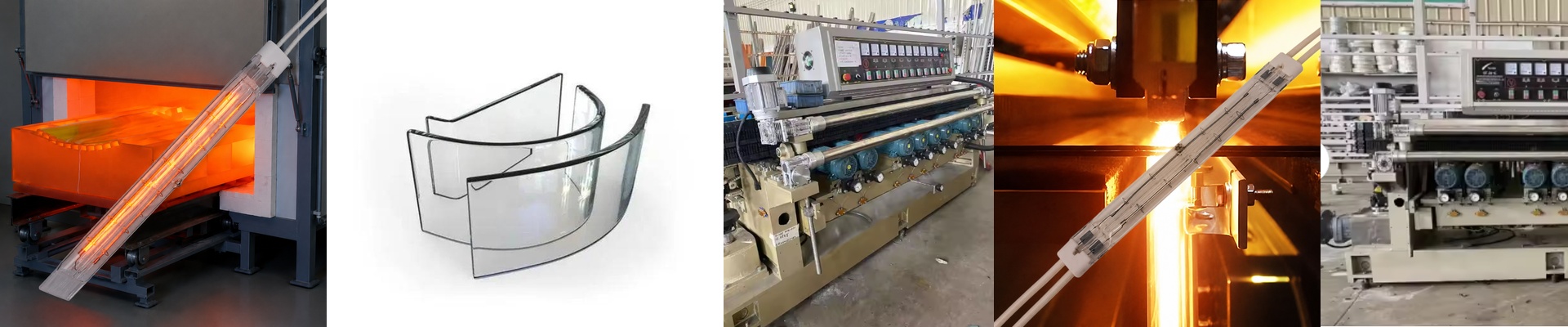
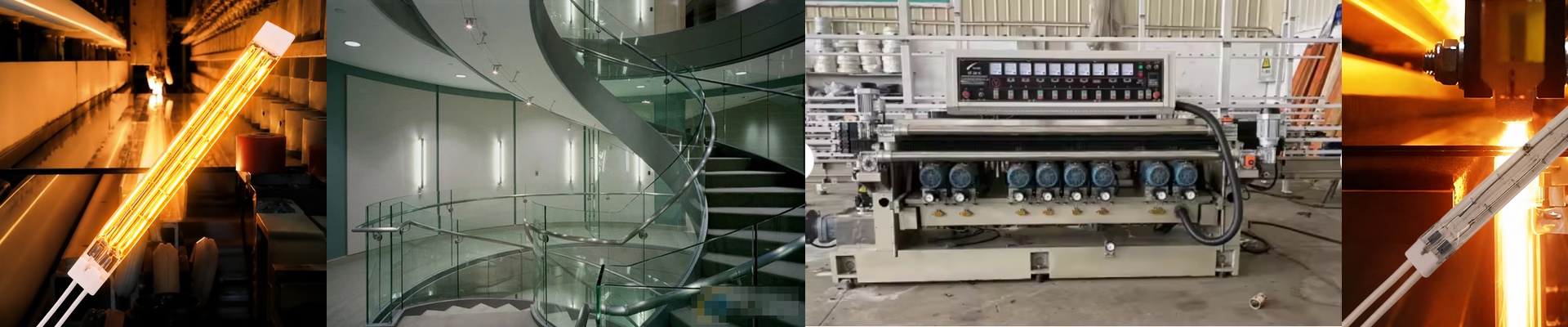
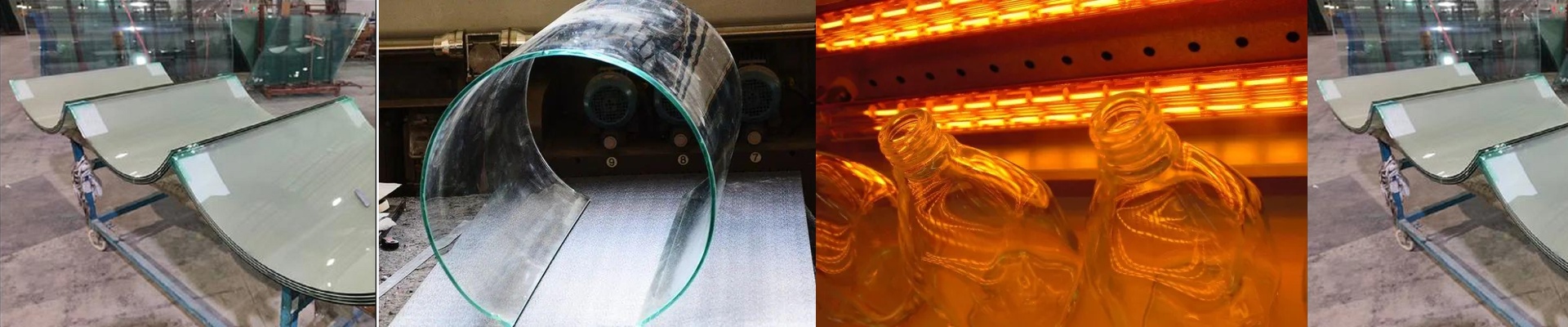
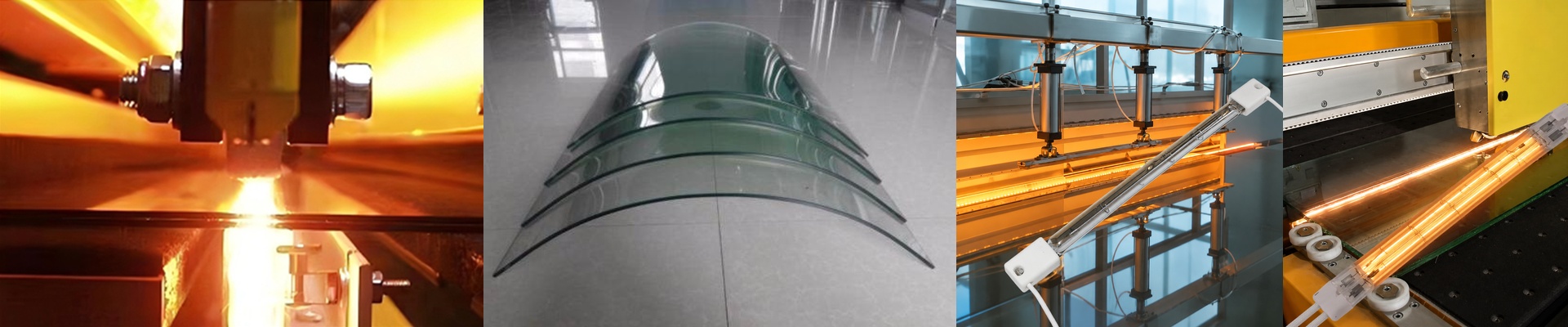
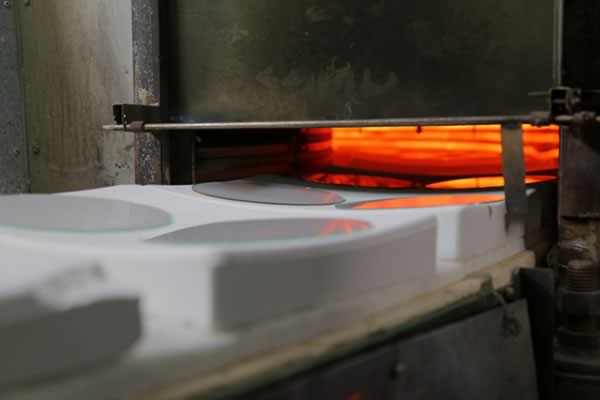
On the floor, heat isn’t just a setting. It’s the line between a pane that passes and one that cracks under stress. Convection ovens drag the cycle out, and uneven heating leaves thermal gradients that mess with stress relief. We run a modular infrared heating array that puts direct, controllable heat right where it needs to be, tightening the process window in annealing, tempering, bending, lamination, and insulating glass sealing—where repeatability is everything. What’s actually happening technically The array uses short-wave infrared emitters in a modular layout, so you get rapid, high-intensity energy with low thermal inertia. Each module is addressed individually, which means power density follows the glass contour, not the other way around. Response is in seconds, not minutes, and the thermal field is tuned to cut down edge-to-center variance. The payoff is predictable temperature uniformity across the pane—stress profiles stay flat, and coatings dry without blistering. Where this lands in real processes In tempering, the quench has to follow a tight heating profile. The array hits the target fast, so the quench can run right away—optical quality improves, and bow drops. For bending, you get a controlled soak that respects the sag curve. That cuts scrap from overshoot and spring-back. During lamination, the heat ramp is matched to adhesive flow—fewer bubbles and voids, whether you’re running EVA, SGP, or PVB. On insulating glass sealing, the array heats the primary seal uniformly. Cure time shortens, and the secondary seal bond tightens. Energy use drops because heat is delivered on demand, not kept idling in a big chamber. What you need to know on install and operation Install is straightforward—basically a drop-in replacement—but line-of-sight matters. IR energy travels directly, so the glass needs a clear view. Reflectors and shielding have to be aligned; otherwise you’ll see hot spots on fixtures or at edges. Plan for clean power and proper cooling. The emitters run hot, and airflow keeps the housing stable. Operators pick up the zone tuning quickly. Once the zones are set, the process repeats with fewer off-spec panes and less downtime.