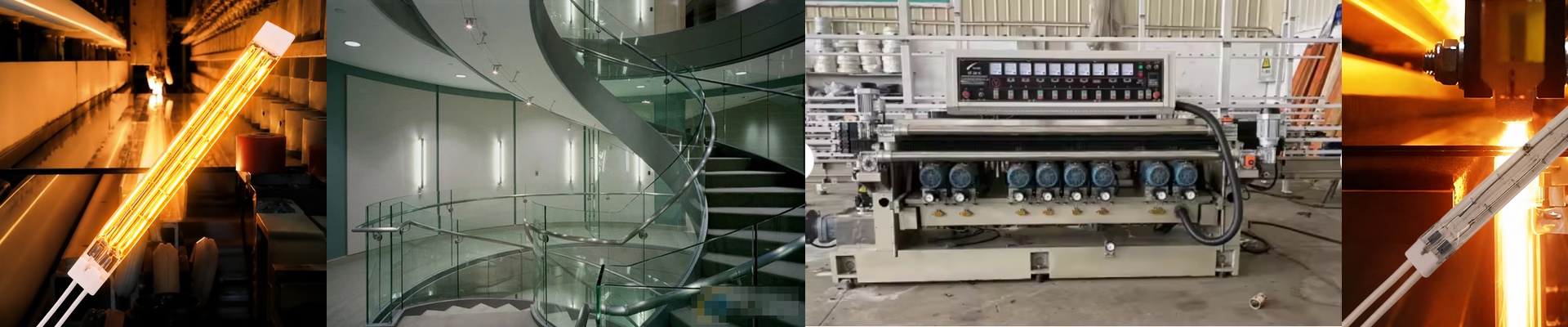
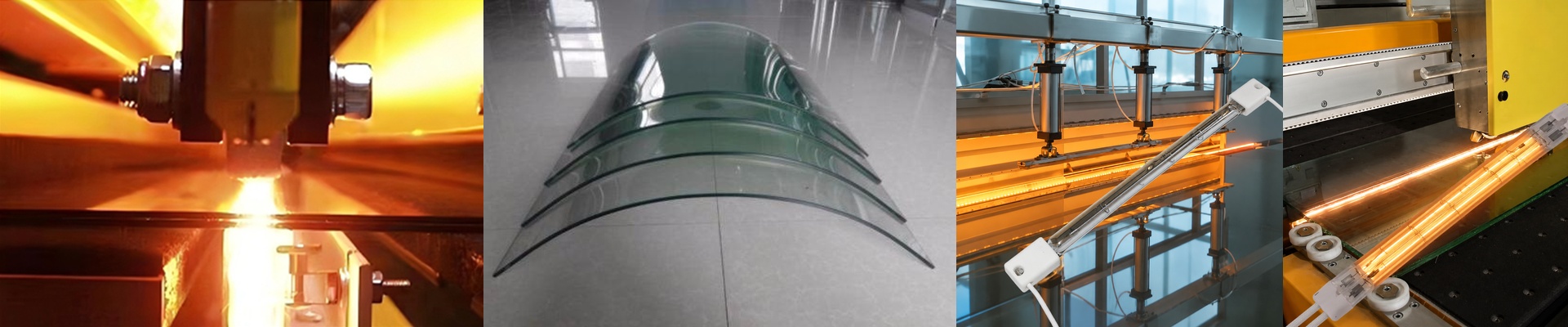
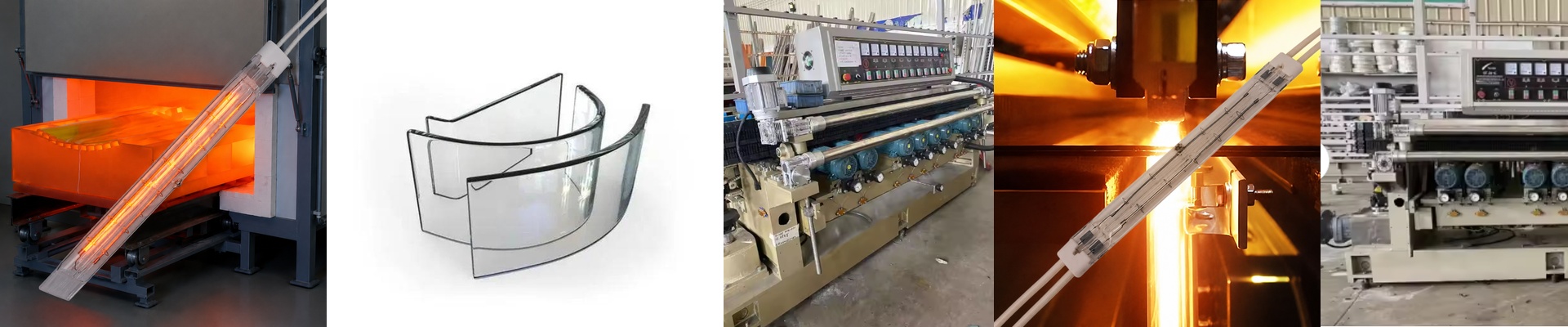
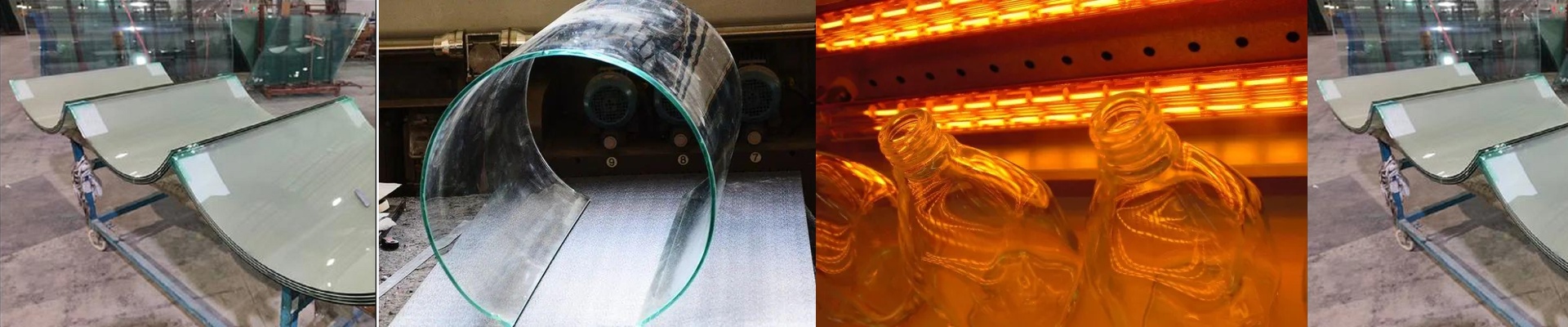
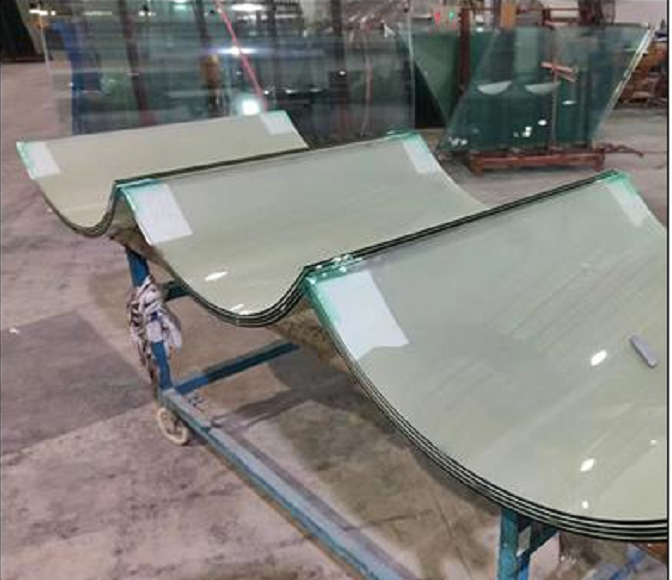
Once the glass hits the heating zone, the clock is running. If the heaters drag their feet, the whole day slips — tempering cycles miss their mark, lamination dwell times stretch out, and insulating glass seals cure unevenly. That’s why we built fast-response infrared heaters for glass plants where temperature stability, repeatability, and uptime are what actually hit the bottom line. What’s actually happening under the hood These units use short-wave infrared (tungsten-halogen) elements to deliver direct radiation, fast, with minimal convection. Response is in seconds, not minutes, so the thermal profile settles quickly after a batch change. The peak wavelengths are chosen to match glass emissivity, giving you better heat penetration without overheating coatings. Power density is tuned for typical float and coated glass loads, and the heater geometry keeps irradiance even across the belt width. We size voltage, connectors, and mounting to match common OEM fixtures, so it integrates without drama. In tempering, that quick response shortens the heating window and tightens the bow. You end up with more consistent surface compression and fewer optical distortions. In lamination, the fast ramp-up cuts pre-heat drift, which helps keep bubbles and voids out of EVA, SGP, and PVB stacks. For insulating glass, the same speed stabilizes the secondary seal cure. Edge uniformity improves, and you see fewer rejects from incomplete adhesion. Energy use drops, too — the heaters idle cooler and don’t spend as much time at full power — and better cycle-to-cycle repeatability lifts overall yield. Here are a few practical details that matter on the floor. These heaters are meant as drop-in replacements for common glass processing machines, with brackets and wiring options that adapt cleanly. Installation is non-intrusive, but you still need to match clearances and airflow to the original design — reflectors and insulation placement directly affect spot temperatures. Expect a slightly higher peak power draw during warm-up, so check your supply and contactor capacity. Plan for clean power and controlled cooldown to protect the filament and keep the elements around longer.