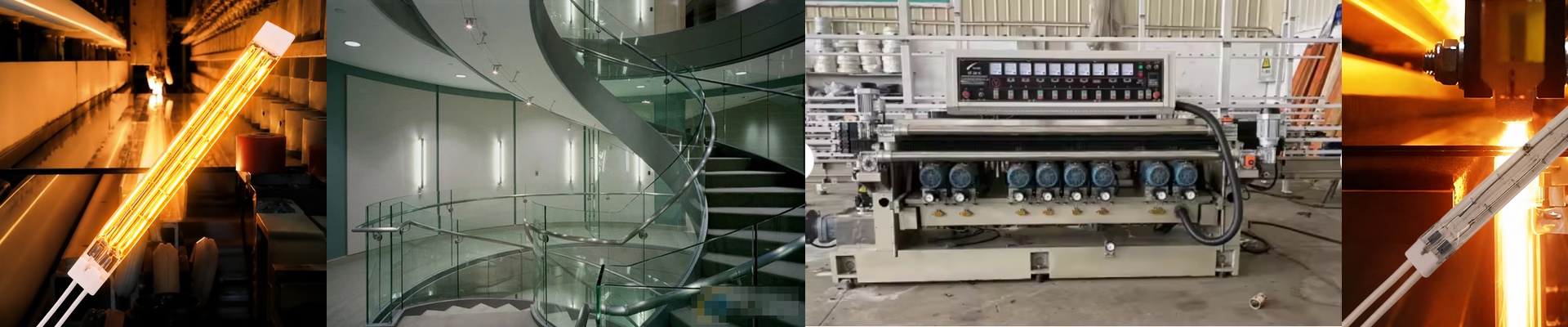
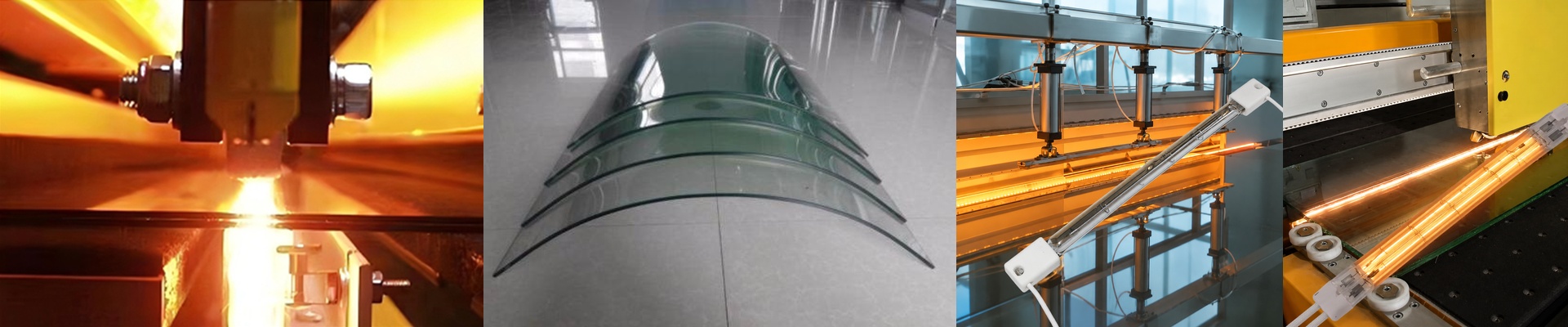
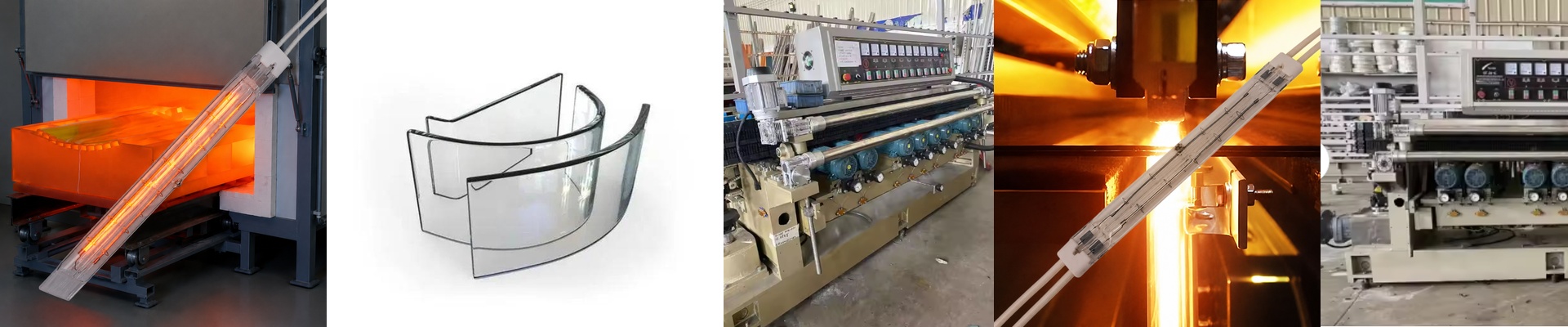
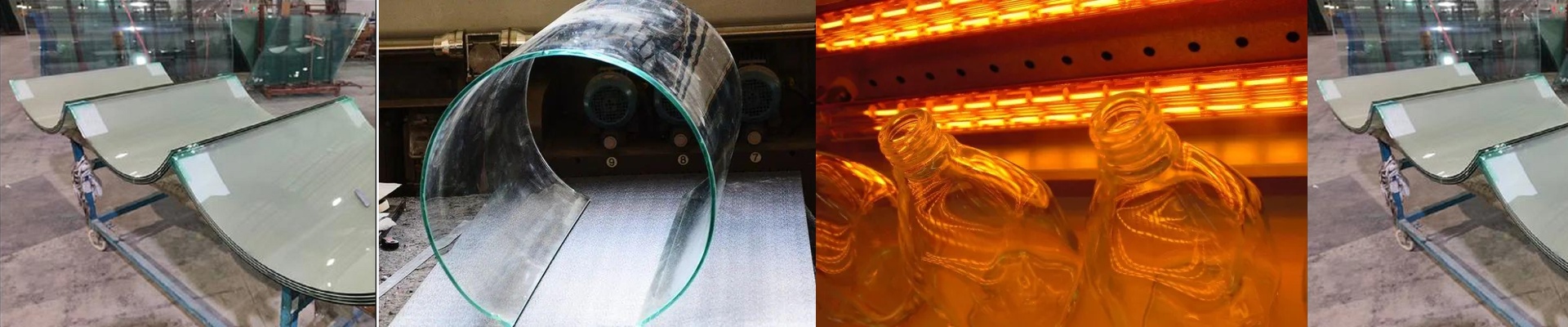
Out on the line, heat isn’t just heat—it’s control. If the furnace doesn’t ramp evenly across the glass, you’ll see it fast: shape drift in bending, optical issues in coatings, and stress fractures that don’t show up until the glass is already in the field. And when the heat takes too long to come back after a recipe change, the whole line sits and waits. Yield slips while the energy meters keep climbing. We built the short wave quartz infrared lamp on one idea: heat the glass, not the air. Put control back in the process window—and make it hold up when the plant is running 24/7.
What actually matters, technically
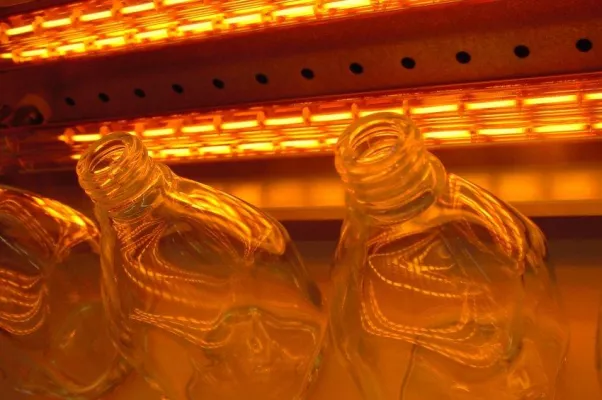
Short wave quartz infrared lamps put energy in the near-infrared band, typically peaking around 1–3 µm. That range gets absorbed strongly by glass, so the heat goes straight into the sheet instead of getting wasted on furnace walls, conveyors, and the air around them. In practice, you get fast response and tight thermal uniformity—both critical when you’re trying to run repeatable glass cycles. The lamp itself is a quartz envelope with a high-temperature filament, built to heat up and cool down quickly. In glass processing, that means it can follow the process curve without overshoot, which matters when you’re managing transitions intostress reliefor holding a stable soak duringbending. Here are the performance points you can measure on the floor:
- Response time: Fast ramp-up and cool-down cut changeover time between thicknesses and glass types.
- Spectral output: Short wave IR delivers high power density with low convective heat transfer, so energy couples efficiently into the glass.
- Thermal uniformity: A well-engineered lamp array gives you a repeatable thermal field, reducing local hot/cold spots that drivethermal stress.
- Longevity and stability: Industrial quartz lamps are built for sustained high-temperature cycling, so output stays stable over thousands of hours and your process window doesn’t drift. These lamps are intended as drop-in heat sources for glass processing equipment, with standardized mounting, wiring, and control interfaces. Because in this business, downtime isn’t measured in minutes—it’s measured in lost furnace cycles and scrapped glass.
Why this approach fits the work we do
Tempering and bending: control the curve, and the glass follows
Intempering, you need a uniform temperature profile before quenching. If the top and bottom surfaces don’t get the same heat input, stress distribution goes sideways—weak edges, breakage during forming. Short wave quartz IR heats the glass surface quickly and evenly, so the furnace hits target faster and holds it with less drift. The payoff is fewer off-spec sheets and more consistent control of bow and warp. Inbending, the glass is shaped while it’s hot, so repeatability depends on a stable, predictable thermal field. With short wave IR, the heating zone responds fast when you change glass thickness or switch to a different radius. That means fewer trial pieces and a shorter learning curve on new shapes.
Lamination and coating: keep the interface clean
Lamination—EVA, SGP, or PVB—needs precise, even heating to pull out air, get good adhesion, and avoid optical defects. Uneven heat gives you bubbles, haze, and weak edges. Short wave quartz IR delivers controlled heat across the interlayer, helping the adhesive flow uniformly without scorching the outer plies. Fewer reworks. Higher first-pass yield. The same thinking applies tocoating drying. Coatings are sensitive to temperature gradients; dry one area too fast and you’ll get stress, cracking, or uneven film build. Short wave IR gives you a clean, controllable heat profile that dries the coating evenly, which improves surface quality and stabilizes the process.
Insulating glass and stress relief: heat without cooking the seal
Ininsulating glassproduction, the big concern is the perimeter seal. Traditional convection can create local overheating near the seal, accelerating aging and hurting long-term integrity. Short wave quartz IR targets the glass itself, so you can warm the unit for sealant flow or handling without dumping excess heat into the edge seal. That improves seal consistency and cuts rejects tied to premature seal failure. Stress relief steps benefit from the same control. When glass is relieved of residual stress, it has to track through a uniform, repeatable thermal cycle. Short wave IR delivers that uniformity—and it does it quickly enough to stay in step with high-throughput lines instead of becoming a bottleneck.
Energy and throughput: less waste, more glass moving
Short wave IR is efficient because it minimizes losses to convection and to radiation that doesn’t couple into the glass. In real life, that shows up as lower energy draw per cycle, especially when you’re running back-to-back schedules with frequent ramps. Fast response also helps throughput. When the heating system can follow recipe changes without long stabilization delays, the furnace or oven spends more time making good glass and less time waiting. You can see it on the line: fewer idle minutes, fewer scrap sheets, and cycle times that stay consistent.
What you need to get right on the install
Short wave quartz infrared lamps perform best when the system is matched to the process.
- **Line of sight matters.**These lamps deliver energy by radiation, so keep the optical path clean. Dust, debris, and coating overspray on the lamp or reflector will cut output and shift the thermal profile. Make lamp and reflector cleaning part of your preventive maintenance.
- **Control tuning is part of the job.**Because response is fast, the control loop needs to be tuned to avoid overshoot on setpoint changes. Plan on spending time on ramp rates and PID settings during commissioning. Once it’s dialed in, the process stays repeatable.
- **Match the lamp to the glass.**Thicker glass needs more energy and a different heat distribution strategy. Pick lamp power density and array spacing based on the glass family you run most.
- **Don’t ignore thermal expansion at connections.**High-temperature operation means hardware and terminals cycle thermally. Use the specified connectors, mounting hardware, and torque values—then inspect them on schedule. A loose connection at these temperatures will become a reliability problem. If you’re replacing older heating modules, the short wave quartz infrared lamp is designed as a direct upgrade path—but you still need to confirm mounting dimensions, electrical interfaces, and control compatibility with your equipment. Treat it the way you would any engineered change: verify, document, then standardize. On the floor, the difference shows up where it counts—fewer surprises, fewer scrap reports, and heat that behaves the same way shift after shift. That’s what precision heating looks like in glass processing.