Customizing Twin Tube Infrared Spectral Output for Glass Additive Absorption
Getting Your IR Heat Exactly Right: The Secret to Twin Tube Elements Most infrared lamps just blast a wide range of heat. For a lot of jobs, that’s...
Moving Beyond Component Replacement The Engineering Logic of Batch Furnace Thermal Diagnostics
Stop Guessing With Your Batch Furnace Parts Buying a heating element just by searching for a part number is a bit of a gamble. Sure, you’ll get a...
Beyond the Lamp Why Short Wave Infrared Systems Require On Site Thermal Diagnostics
Getting the Most Out of Your SWIR Heating Here is the thing about short wave infrared (SWIR) tubes: most people treat them like lightbulbs. They just...
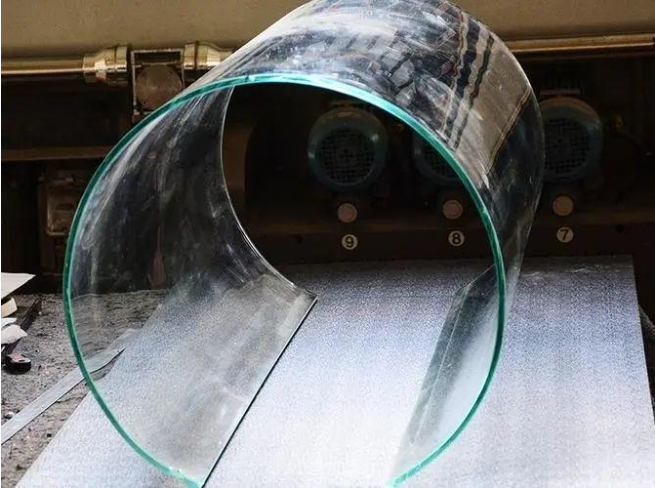
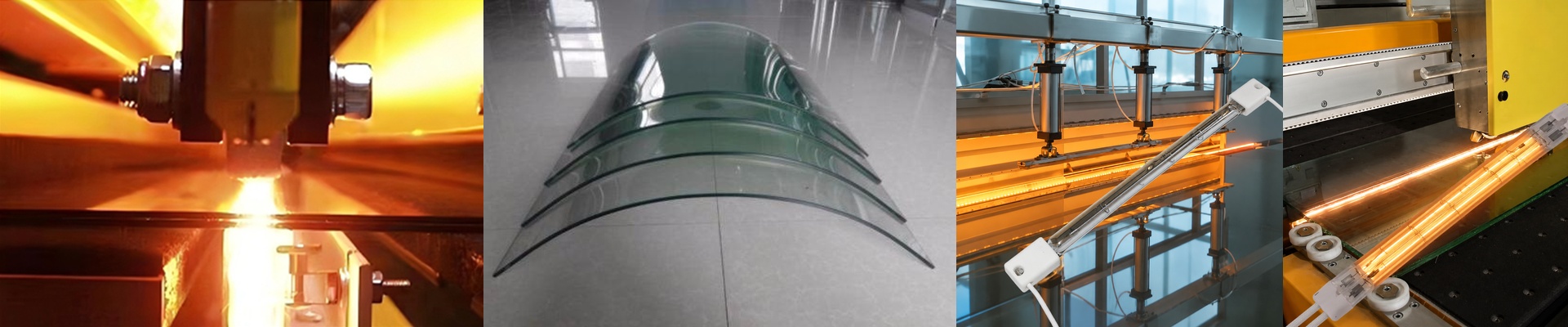
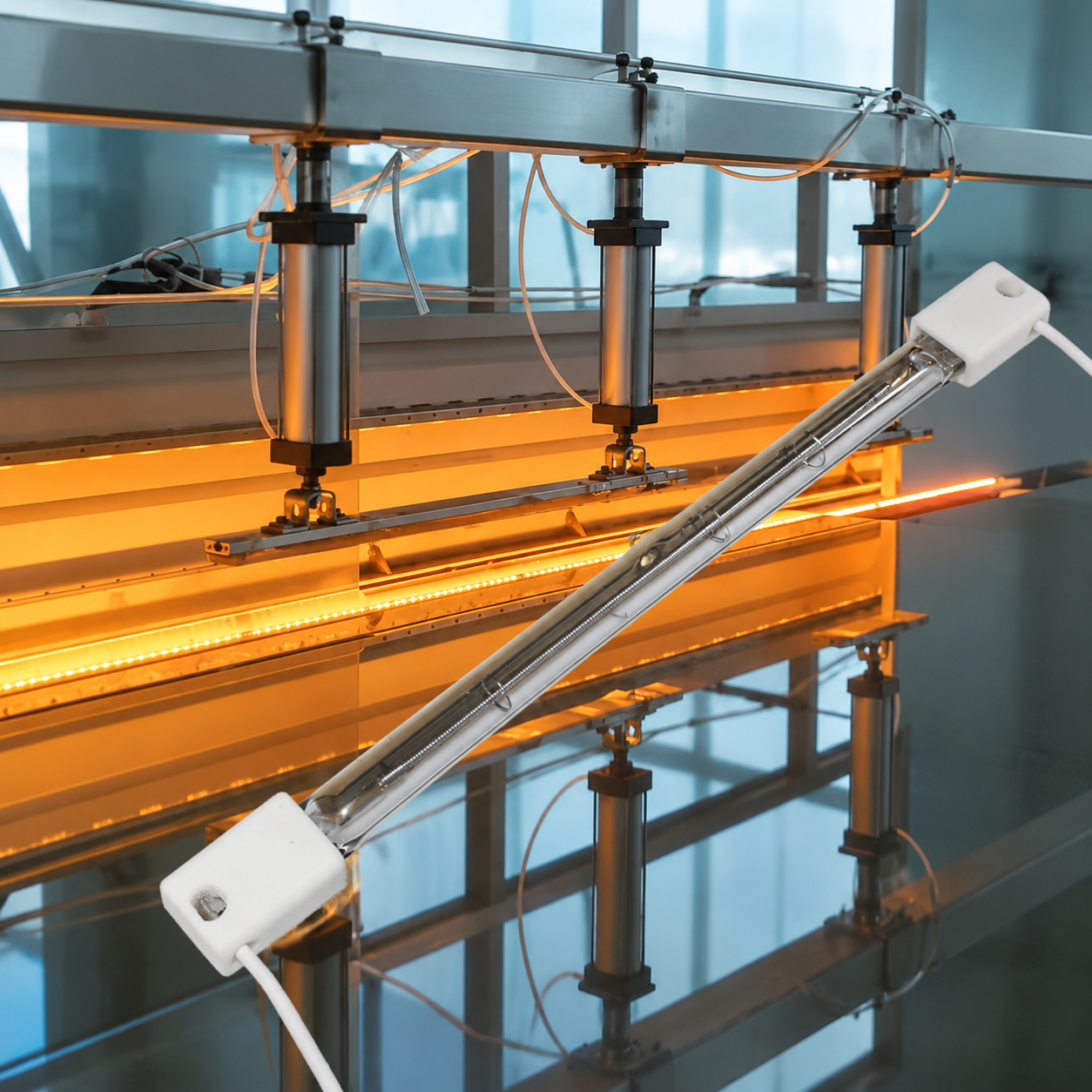
Twin tube infrared heating element
Getting Your Heat Exactly Right: The Truth About Twin Tube IR Elements If you’ve ever tried using a standard, off-the-shelf heating lamp for...
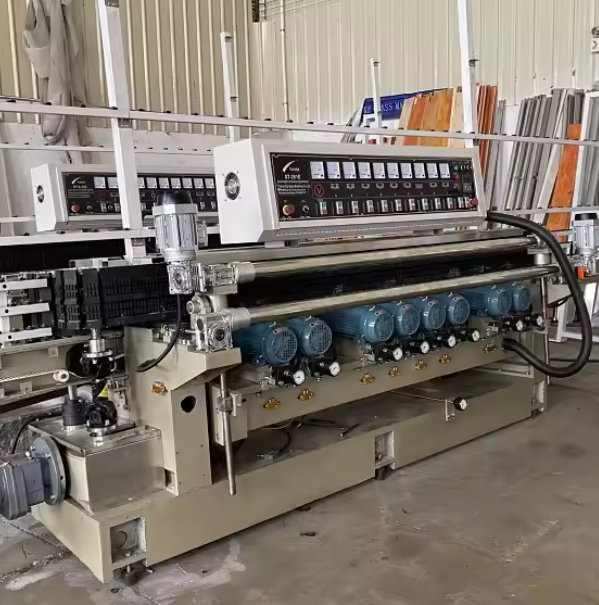
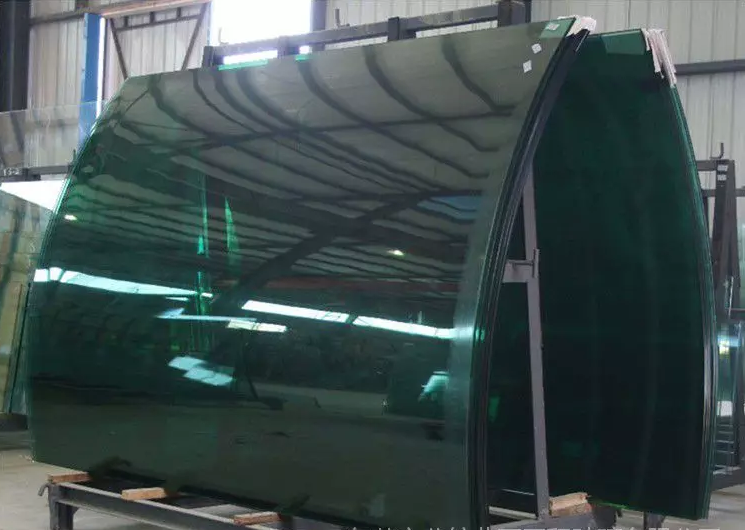
Uniform heating for tempered glass
Getting the Heat Right in Mobile Glass Repair Brackets When you’re trying to cram high-performance infrared (IR) heaters into a mobile repair...
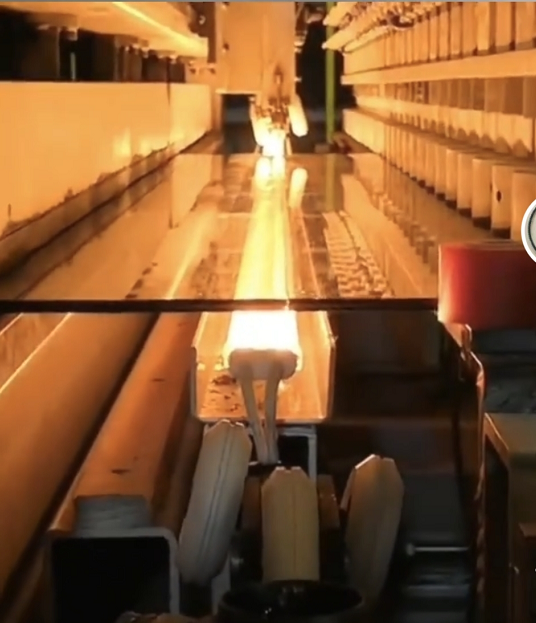
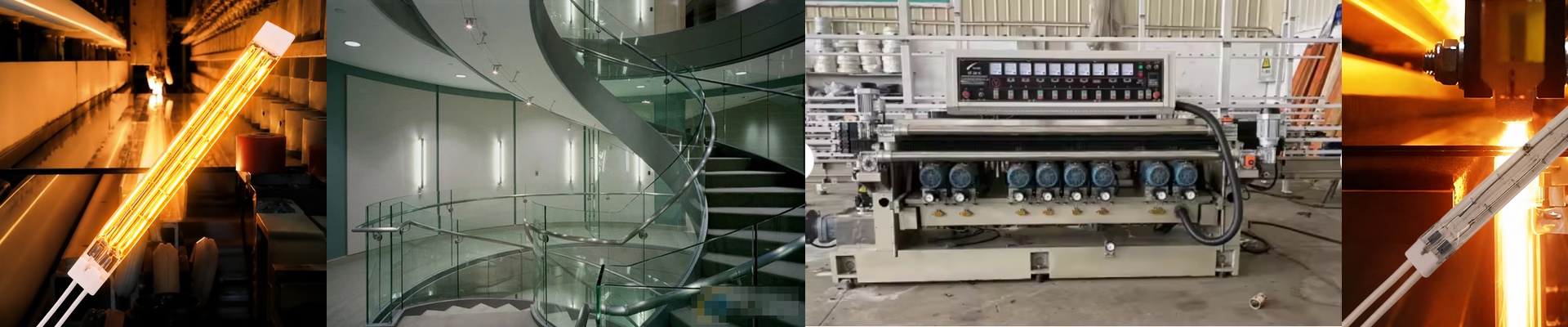
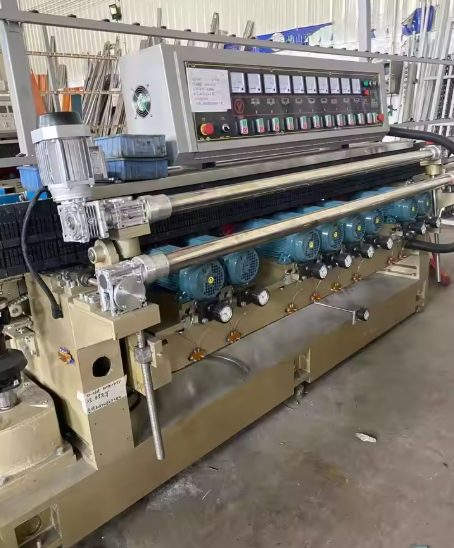
Infrared heating for glass finishing
Cutting through ultra-thick glass is brutal on your equipment. If you’ve ever tried to score cold, thick plates, you know exactly what I mean....
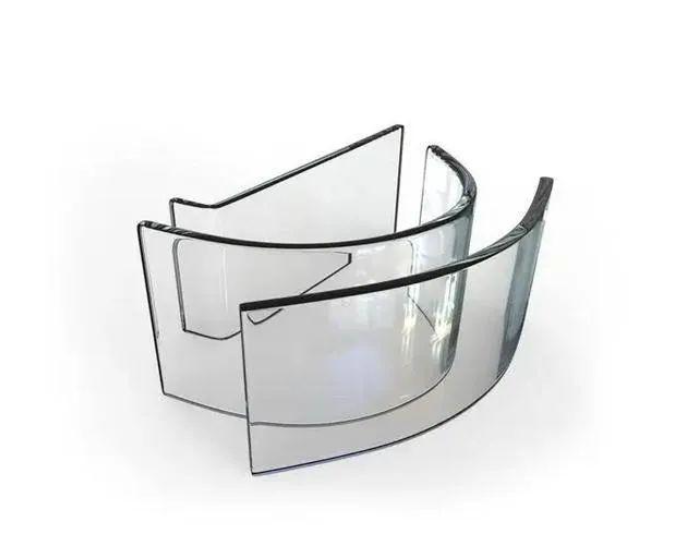
Glass score line heating lamp
Getting the Heat Right for Silk-Screened Glass If you’ve ever tried to temper glass that’s already been silk-screened, you know...
Rapid glass heating for molding
Stop Fighting Your Voltage: A Real-World Look at Glass Molding IR Systems There is nothing worse than moving a piece of machinery across a border or...
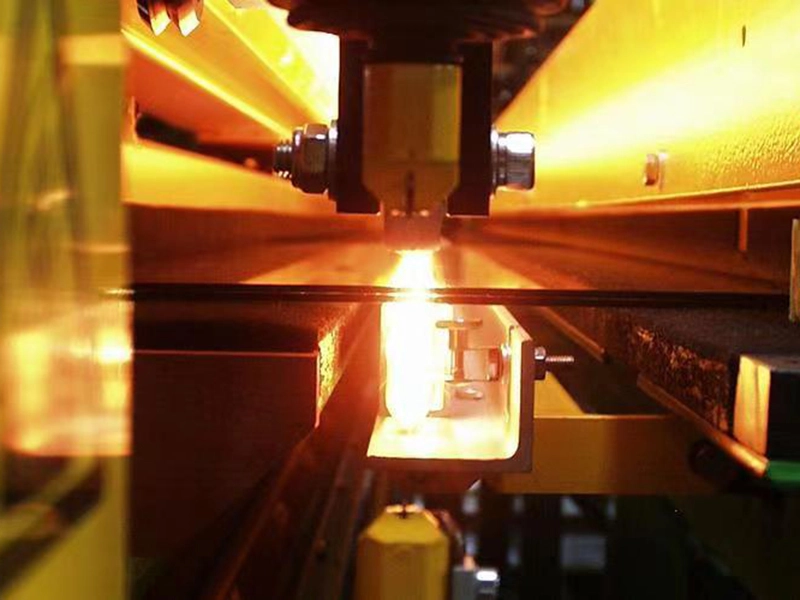
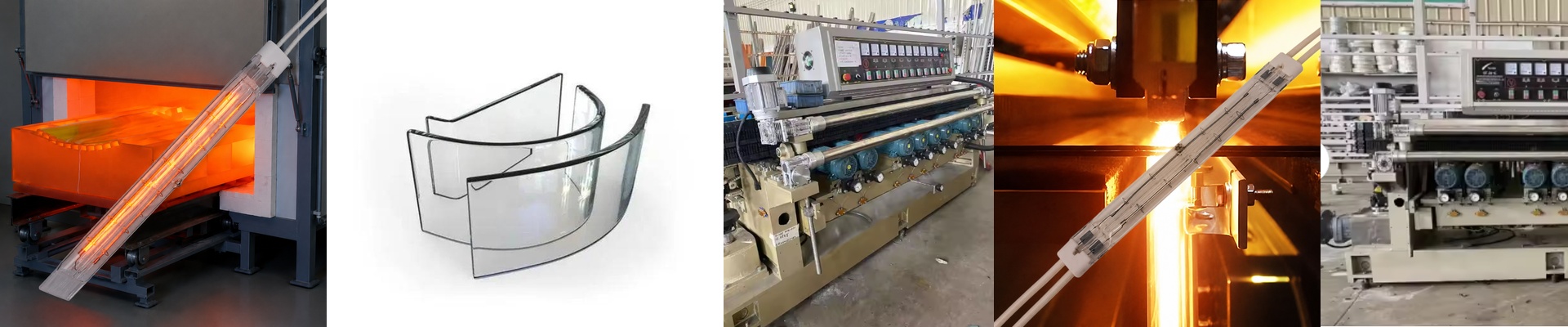
Batch furnace heating element
On the glass line, heat is more than temperature. It’s timing, distribution, and repeatability—shift after shift. When the batch furnace heating...
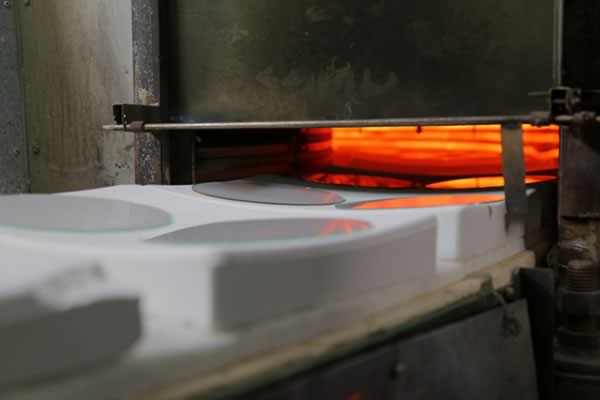
Modular infrared heating array
On the floor, heat isn’t just a setting. It’s the line between a pane that passes and one that cracks under stress. Convection ovens drag the cycle...
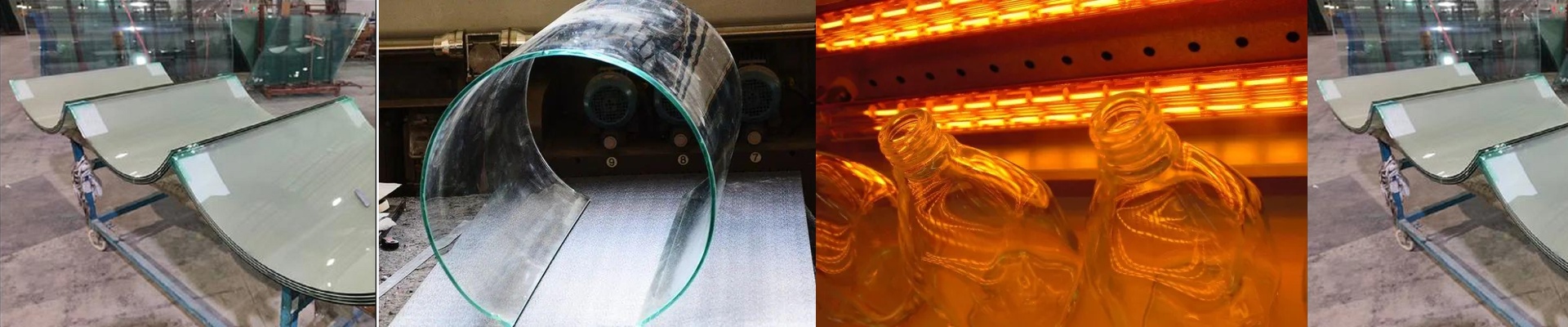
Uniform heating for glass bending
On the bending line, the heat profile writes the geometry. If the top of the sheet runs hotter than the bottom, you get asymmetric sag, wavy edges,...