Getting the Heat Right for Silk-Screened Glass
If you’ve ever tried to temper glass that’s already been silk-screened, you know it’s a bit of a balancing act. You’re basically walking a tightrope. Push the heat too hard? Your ink bleeds or burns, and your crisp pattern turns into a blurry mess. But if you’re too timid with the heat, the glass never hits that softening point. Then you’re left with brittle sheets that snap the moment they’re touched. That’s where the right IR heating lamps come in. They’re the secret to managing that tension.
The Trick to Heat Density
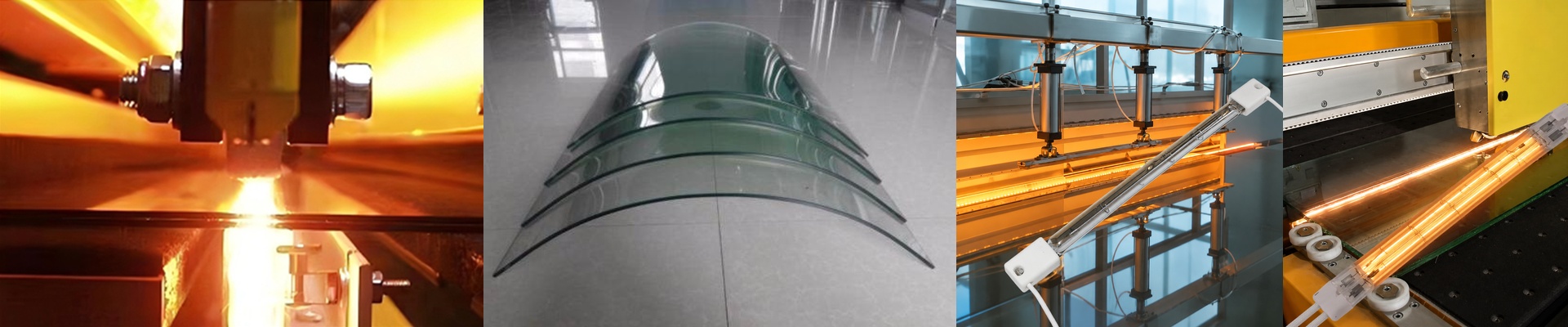
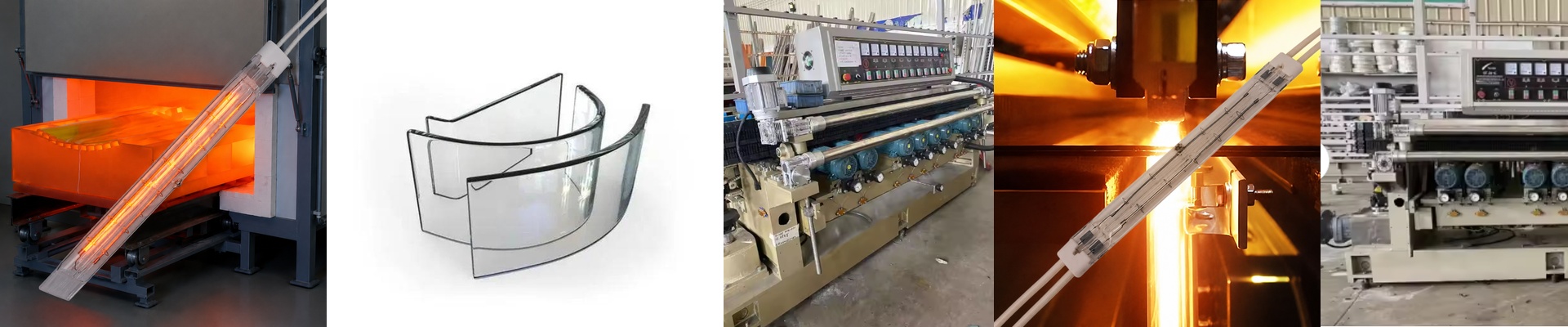
The goal here is simple: get the glass hot enough without frying the ink on top. We usually go with short-wave IR lamps. Why? Because they punch deeper into the glass. It lets the core of the material heat up while the ink on the surface stays stable. But you can’t just plug them in and hope for the best. You have to nail the wattage per linear centimeter. Big, high-wattage tubes give you the power you need for thick glass, but they can create “hot spots” that ruin a piece. **The fix is simple: use a zoned heating array.**That way, you can tweak the temperature across the width of the glass instead of treating the whole thing like one big block.
The Gear That Actually Works
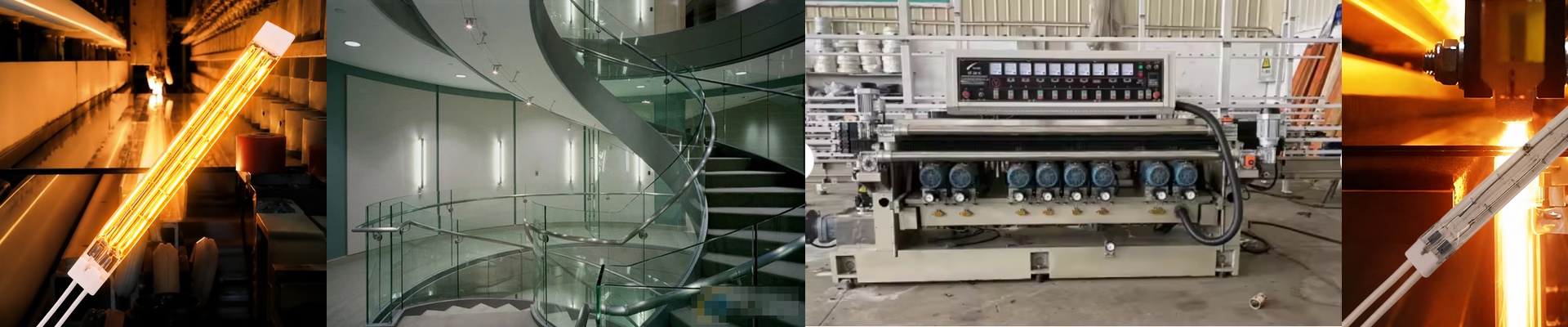
We build these lamps using high-purity quartz tubes. We do this so as much IR energy as possible actually makes it through to the glass. The filaments are tuned specifically for wavelengths that glass loves to absorb. To keep the ink from scorching, some of our setups use coated reflectors. These focus the energy exactly where it’s needed—like on the score lines—rather than blasting the whole surface. And please, wire these into a PID controller. It stops the temperature from drifting. When the temp drifts, the patterns blur. It’s as simple as that.
The Trade-off
Here is the honest truth: high-intensity lamps are fast, but they’re hungry. They’ll put a real strain on your power supply and your cooling fans. It’s tempting to just crank the voltage to speed up your cycle time. Don’t do it. You’ll risk thermal shock. You have to find the sweet spot between your conveyor speed and the lamp output. If the glass hits the quench too cold, it snaps. Too hot, and the ink smears. It’s a narrow window, but once you dial it in, it just works.