Stop Choosing Between Sharp Prints and Strong Glass
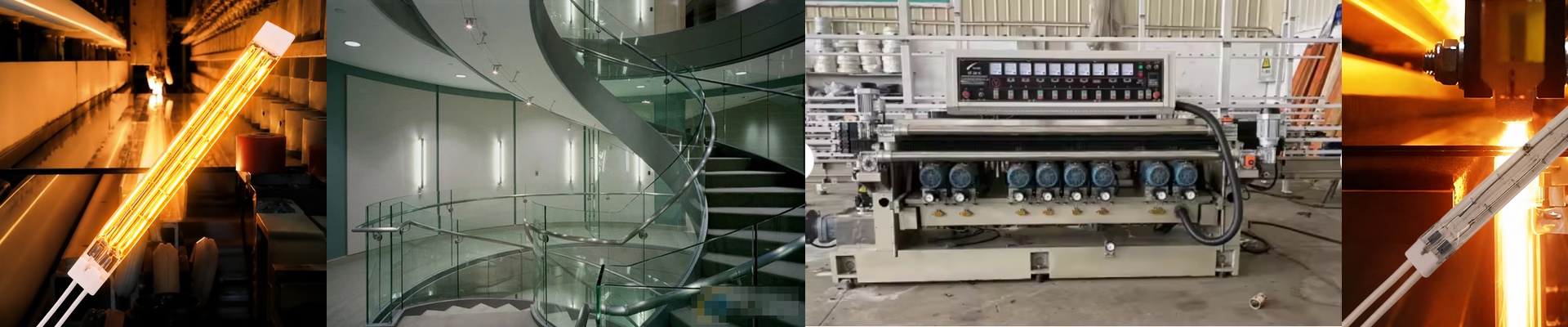
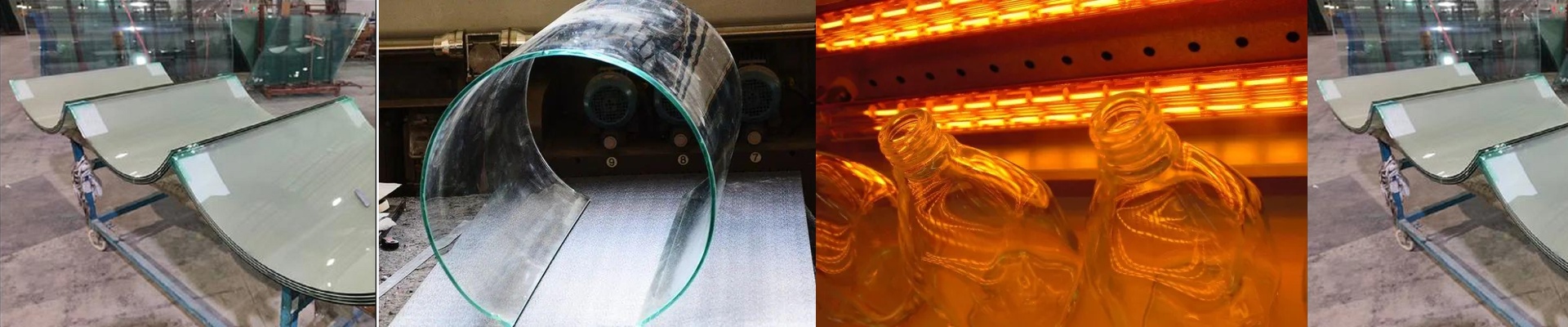
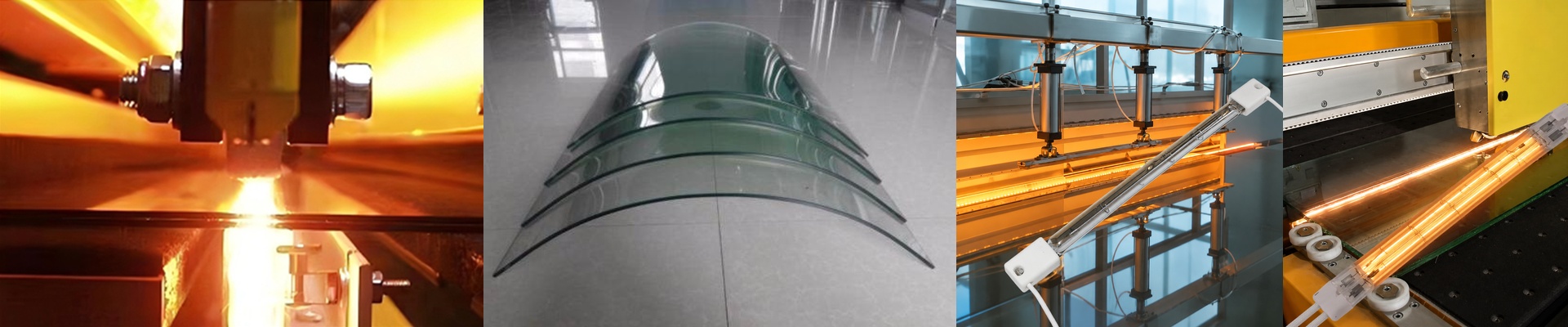
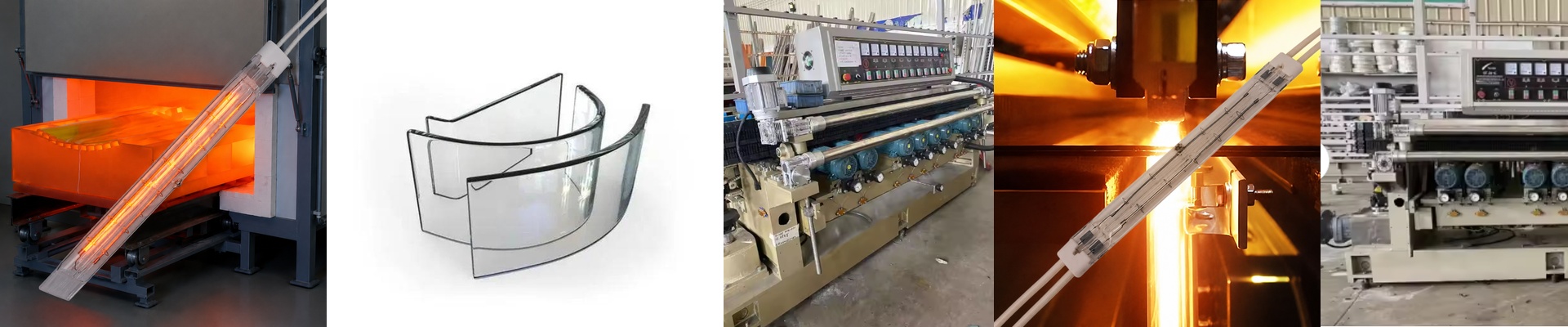
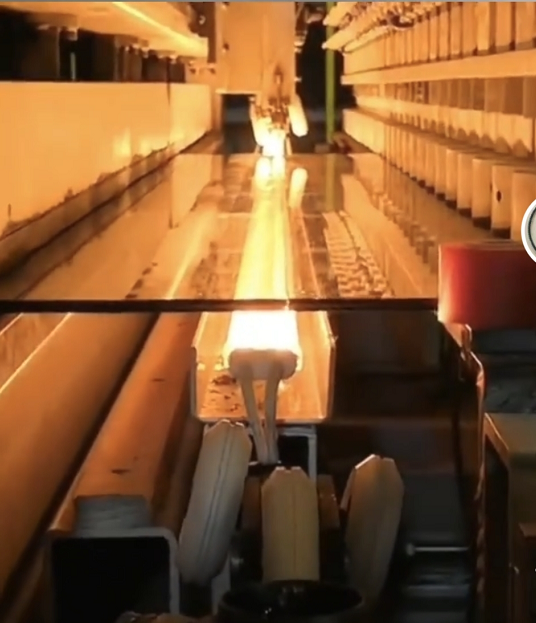
Here’s the problem with silk-screening glass tubes: the ink acts like a shield. When you go to temper or seal that glass, the heat doesn’t hit the surface evenly. If you get it wrong, you’re looking at two nightmares. Either your crisp patterns start blurring into a mess, or you bake internal stress into the glass, and it just… pops. Spontaneously. We use shortwave infrared (IR) lamps to fix this. Instead of just heating the surface, they push heat deep into the material. Keeping the lines sharp The trick is hitting that softening point for the glass without cooking the ink. We use high-wattage lamps because they deliver a massive burst of energy, fast. It’s a quick ramp-up. Because it happens so quickly, the glass gets hot enough before the heat has a chance to wander sideways through the ink. If you go too slow? The ink bleeds. It smudges. It looks amateur. By keeping the power density high and the cycle short, you get glass that’s tough as nails but still looks sharp. Don’t just crank the dial It’s tempting to just jack up the voltage to speed things up. Don’t do that. Over-driving your lamps creates “hot spots.” These are tiny, intense spikes in temperature that cause the glass to shrink unevenly as it cools. You might pull a tube off the line and think it looks perfect, but the moment you put it under a polarization stress test, you’ll see the flaws. If your cooling system can’t keep up with the IR output, you’re just making fragile glass. The boring (but important) maintenance stuff We use quartz envelopes to keep the light spectrum steady over thousands of hours. But here is where people usually mess up: the reflectors. Keep them polished. Seriously. A bit of dust on a reflector can kill your efficiency by 15% or 20%. When that happens, you’ll probably try to compensate by running the lamps hotter. That’s a shortcut to burning out your filaments way too early. Keep the area clean, and your gear will actually last.