Stop Messing Around with Single Tubes—Go Turnkey
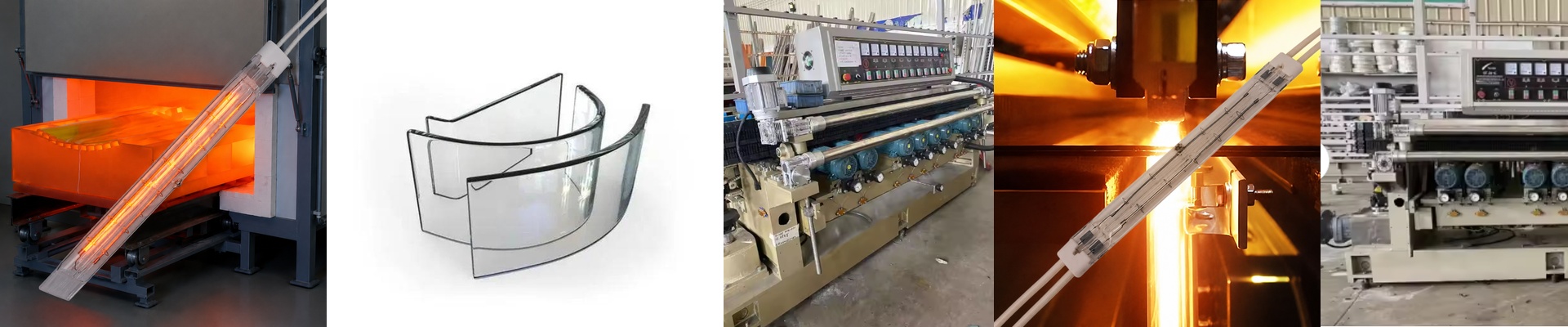
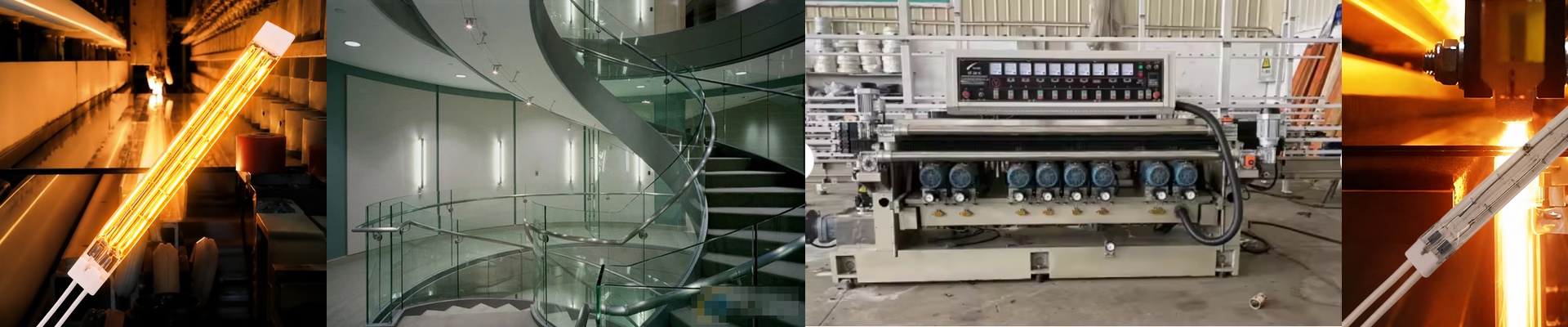
Let’s be honest: buying individual quartz lamps is a headache. You’re basically paying for a kit that your floor team has to figure out. They have to handle the assembly, fight with the alignment, and spend hours on wiring. It’s a slog. We figured there was a better way. Instead of sending you a box of parts, we build curved heating modules in our own shop. We do the heavy lifting—the frame bending and the wiring—so your team doesn’t have to.
Why the curve matters
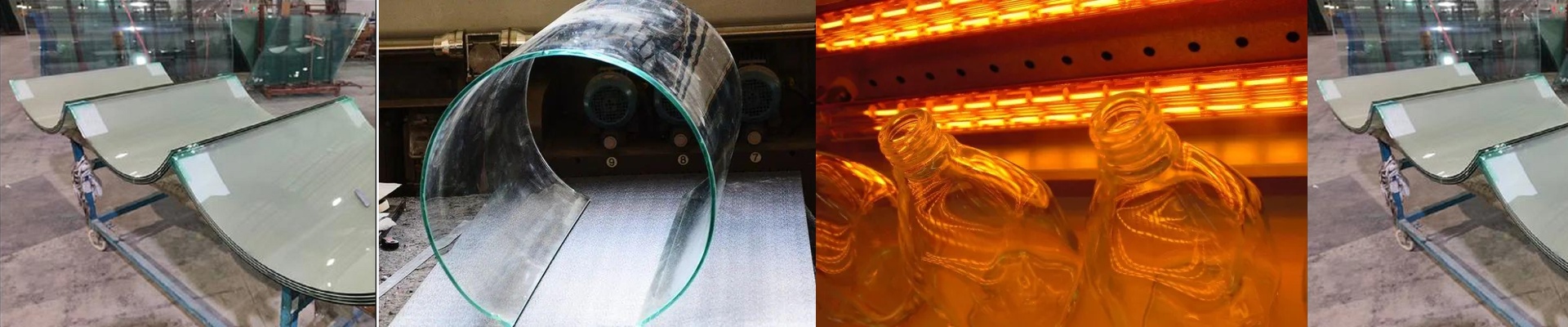
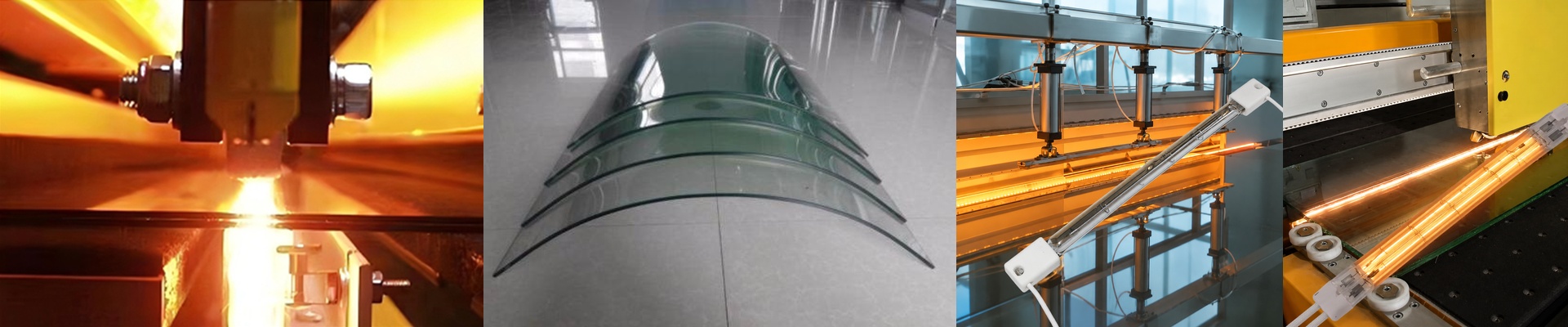
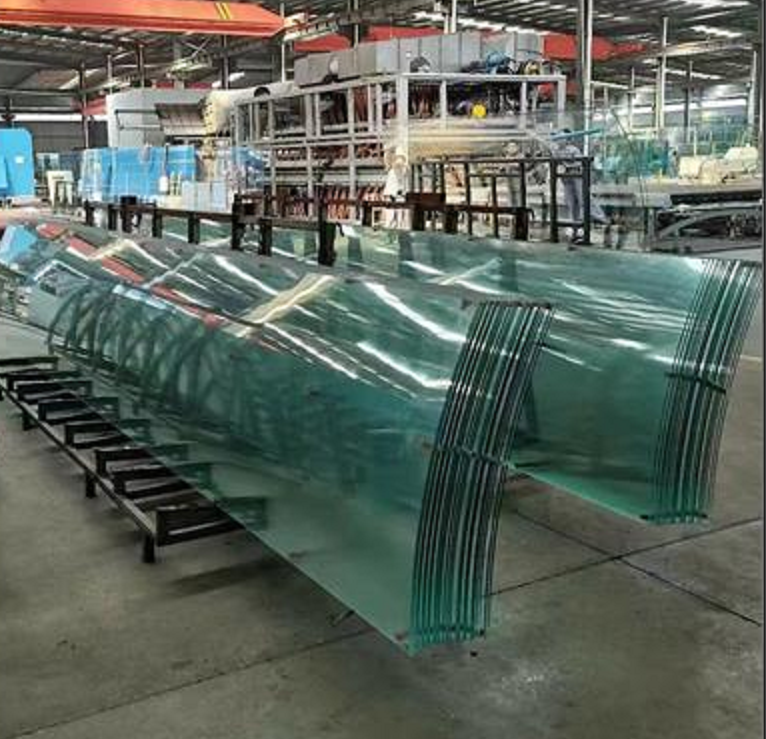
If you’re using straight tubes on curved glass, you’re going to have dead zones. It’s just physics. We solve that by bending the quartz and locking it into a fixed module that actually matches the radius of your workpiece. The result? The heat hits the glass evenly, exactly where it needs to. But here is a pro tip: watch your wattage density. High-wattage tubes are great for that instant thermal shock you need to shape glass, but they put out a ton of ambient heat. Make sure your chassis has plenty of airflow or a solid cooling system. Otherwise, you’re looking at melted wiring looms, and nobody wants to deal with that.
Just drop it in and go
We want to kill the “trial and error” phase of installation. You shouldn’t have to hunt for the right connectors or fabricate your own mounting brackets. We deliver a module that’s a drop-in replacement. We use industrial-grade leads and reinforced terminals because we know factory floors are rough. Things get bumped. Things get dirty. Our gear can take it. Plus, since the lamps are pre-installed, the focal point is locked in. You don’t have to worry about a lamp shifting a few millimeters and suddenly leaving a cold spot on your glass. It just works.
The one catch
Now, there is a trade-off. A straight lamp is a generic part. You can keep a few in a bin and swap them out whenever. A custom curved module is different—it’s built for one specific machine. If you decide to change your glass dimensions, you can’t just “tweak” the module on the fly. You’ll need a new spec and a new module. It’s a bit less flexible, but the time and labor you save on the front end usually make it a no-brainer.