Why Your Lamps Are Killing Your Glass Bead Quality
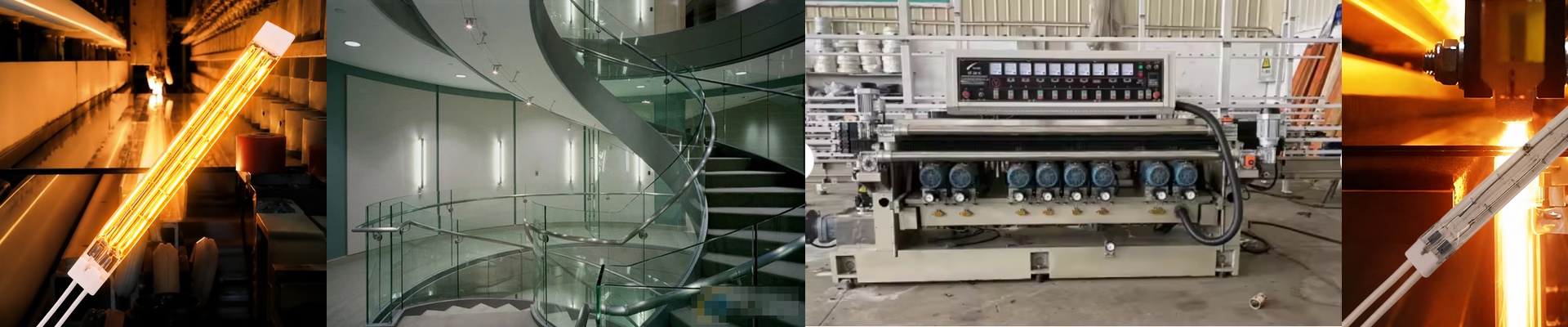
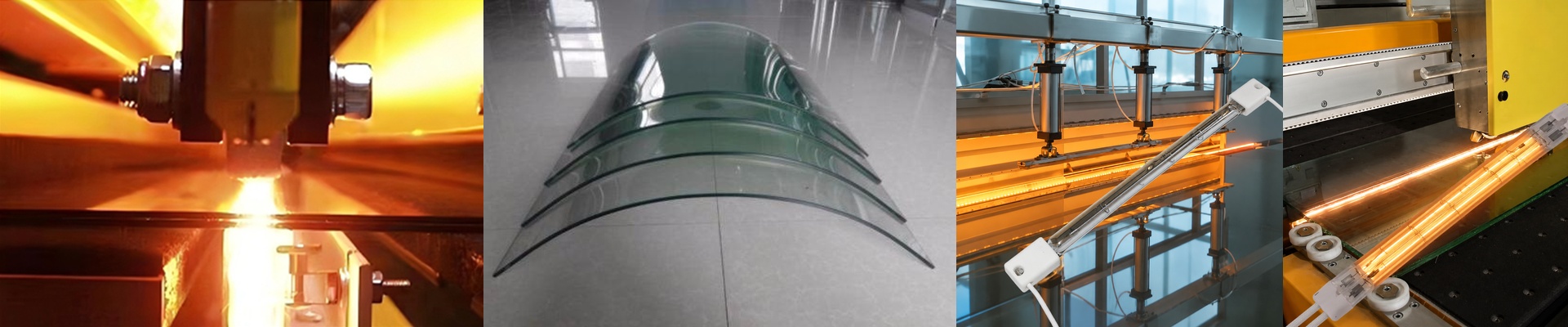
Ever wonder why one batch of glass beads comes out perfect, but the next one is a disaster? Usually, it’s not your process—it’s your heat. When your IR lamps aren’t putting out the same amount of energy across the heating zone, you get “thermal gradients.” That’s just a fancy way of saying some spots are too hot and others are too cold. The result? Internal fractures, weird sizing, and a lot of wasted material. To fix this, you need shortwave infrared lamps that actually behave the same way every single time.
The Truth About Thermal Uniformity
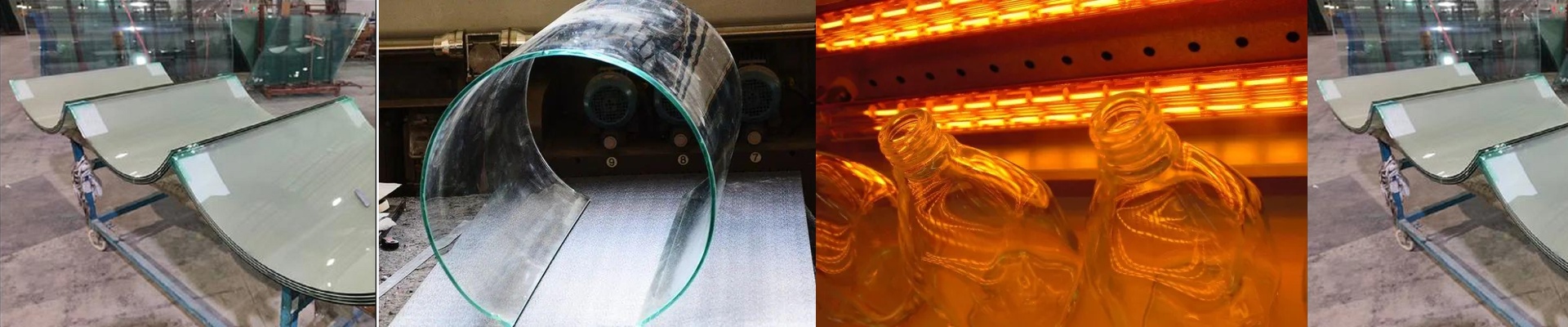
Here is the thing: a tiny difference in filament resistance—even just 2%—can create “hot spots” across your heating array. In glass annealing, those hot spots are a nightmare. They cause localized overheating that ruins the bead. That’s why we obsess over the diameter of the tungsten filament and the thickness of the quartz envelope. We want every lamp to put out the exact same amount of heat. No surprises. And a quick tip: if you’re cranking up the wattage to speed up your ramps, be careful. Heat density climbs fast. If your conveyor isn’t perfectly synced with that output, you’ll shock the glass and crack it.
The Gear That Actually Lasts
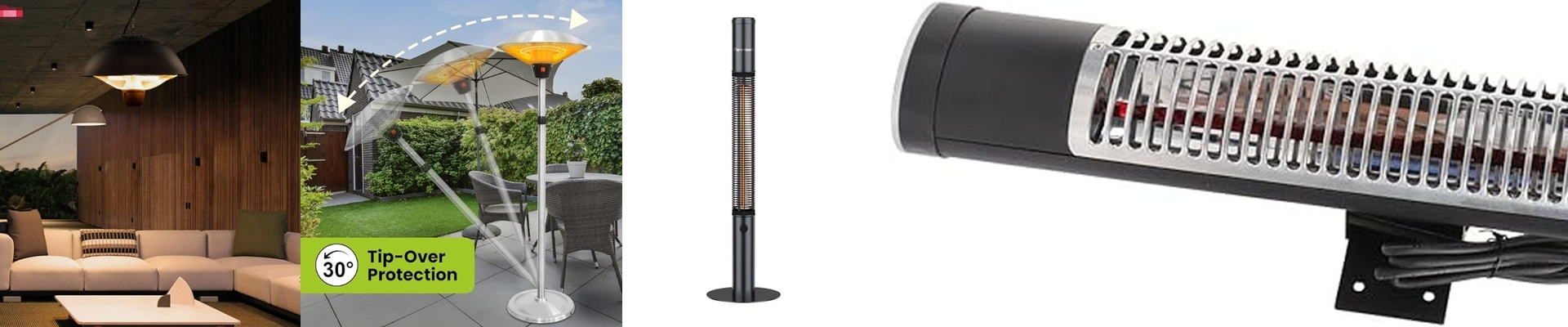
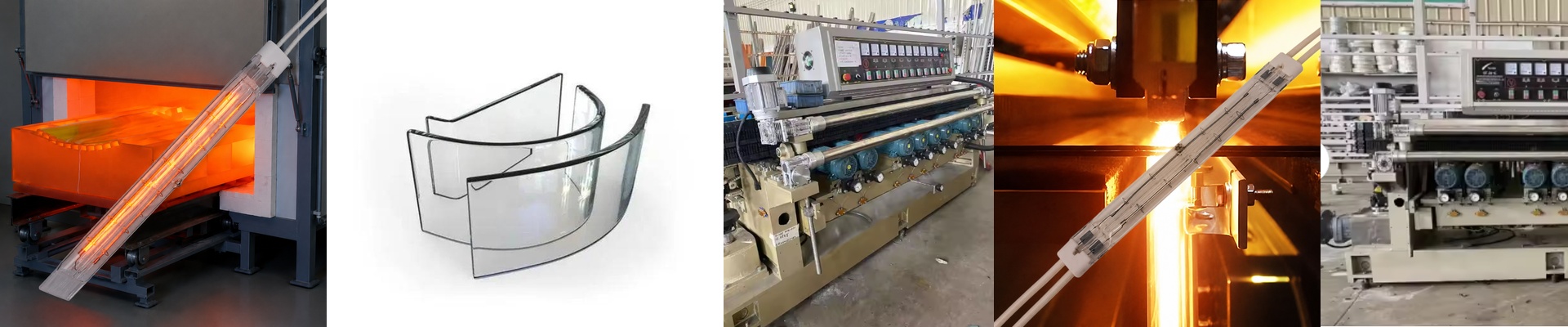
We stick with shortwave quartz lamps for a reason. They dig deeper into the glass surface than longwave sources ever could. But lamps can be fragile. We use reinforced end-caps to stop gas leaks, which is usually what kills a lamp early. It’s a small detail, but it saves you from the headache of mid-shift replacements. Plus, most of you are probably wiring these into a PID-controlled zone. When your lamps are consistent, the PID loop stabilizes almost instantly. When they aren’t? The controller spends all its time fighting those cold spots. You get oscillation, unstable temps, and ruined batches.
The Trade-offs You Need to Know
High-output IR lamps get the job done, but they’re hungry for power. If you try to slash your cycle times by pushing maximum wattage, your wiring and contactors are going to feel it. They’ll take a beating. Just make sure your electrical setup can handle that initial surge when you start things up from cold. Otherwise, you’ll be spending your morning resetting tripped breakers.