Stop Fighting Your Voltage: A Real-World Look at Glass Molding IR Systems
There is nothing worse than moving a piece of machinery across a border or plugging a new part into a factory grid, only to realize the voltage is off. It’s a nightmare. You’re either staring at a lamp that won’t heat up, or you’re listening to the sound of a filament snapping the second you flip the switch. That’s why we build our infrared lamps to handle 110V, 480V, and 575V right out of the gate. We want you to spend your time molding glass, not messing around with transformers or praying you don’t blow a fuse during the first power-up.
The Trade-off Between Voltage and Heat
Here is the thing: voltage isn’t just a checkbox for compatibility. It actually changes how we build the filament. If you’re running a 110V lamp, you’re pulling way more current to get the same wattage as a 480V or 575V tube. In a high-output shop, that’s a problem. We prefer the higher voltages because they keep the current low. It’s easier on your wiring. It stops the voltage from dropping off over long cable runs. Basically, it just keeps the system stable.
Built for Your Actual Shop Floor
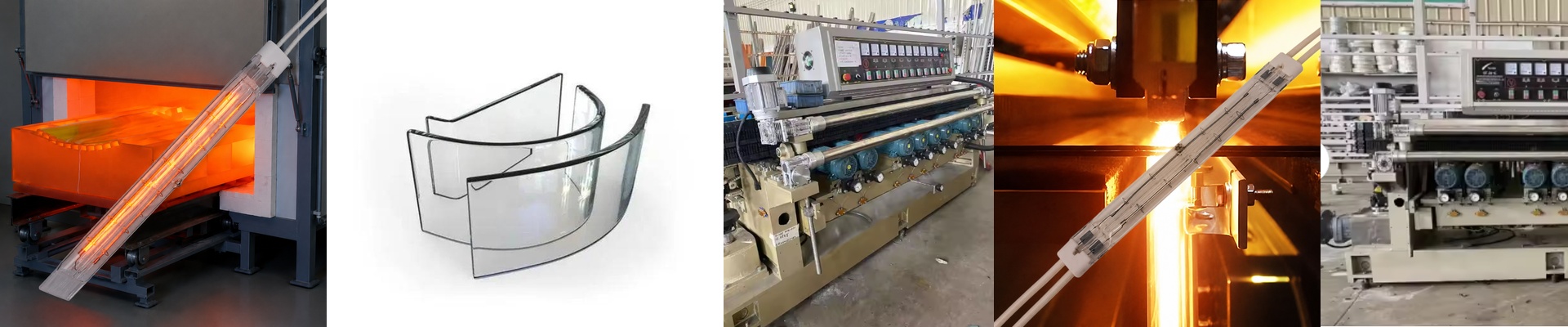
We don’t do “one size fits all.” That never works in a real factory. If your oven has a weird footprint, we’ll customize the quartz envelope and the filament length to fit exactly where it needs to go. Need shortwave output so you can ramp up the heat almost instantly? Done. Want coated tubes to shift the emission spectrum? We can do that too. Just send us your drawing. Plus, we use standard connectors like R7s or Sk15. We want these to be a simple drop-in replacement. You shouldn’t have to rip out and rewire your entire control panel just to get better heating elements.
The Catch with High Voltage
Now, high-voltage tubes are incredible for heat density. They are fast. Really fast. But there’s a catch. When you’re pushing 480V or higher, the thermal stress on the ends of the lamp is intense. This is where most people mess up. You have to make sure your cooling fans are actually up to the task. If those ends overheat, the seal fails and your lamp is toast. Keep them cool, and they’ll last. It’s as simple as that.