Getting Your Heat Exactly Right: The Truth About Twin Tube IR Elements
If you’ve ever tried using a standard, off-the-shelf heating lamp for glass R&D, you know the frustration. They’re too uniform. They just blast heat everywhere. But when you’re testing phase transitions or hunting for stress points in a new glass formula, “uniform” is actually the problem. You need a gradient. You need a specific spot to be scorching while another stays cooler. That’s why we don’t just sell lamps; we build twin tube infrared elements that actually do what you need them to do.
It’s all about the watts per centimeter
Most companies will just tell you the total wattage of a lamp. To us, that’s a useless number. What actually matters is thewatts per centimeter. We play around with the filament winding pitch and the coil diameter along the tube. By doing this, we can bake “hot zones” and “cool zones” right into a single element. It’s a huge win for your workflow. Instead of juggling five different controllers to get a complex thermal environment, you just use one smart element. Want a massive heat spike right in the center to see how a new composition handles thermal shock? We can do that.
The nuts and bolts
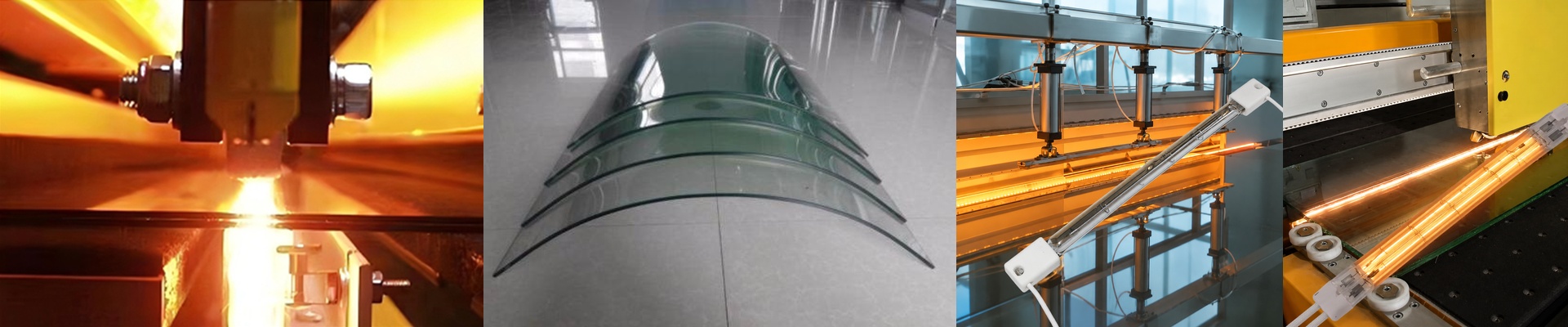
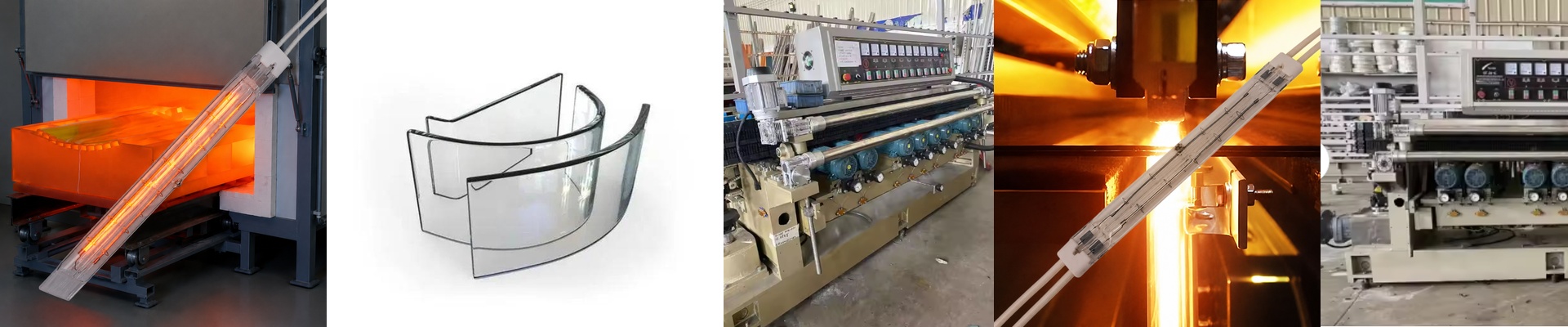
We use twin tube construction because it gives you a bigger radiating surface than those single-filament lamps. It just spreads the heat better across a wider piece of glass. Plus, we use high-purity quartz so the shortwave IR actually gets through instead of getting trapped. As for the connectors, we’ll hook you up with whatever fits your rig—whether that’s a standard R7s or custom lead wires. One quick heads-up: if you ask for extreme power density in a tiny space, things get hot.**Really hot.**Make sure your wiring and housing can actually handle that load, or you’re going to smell burning sockets halfway through a long-run test.
Stop fighting your equipment
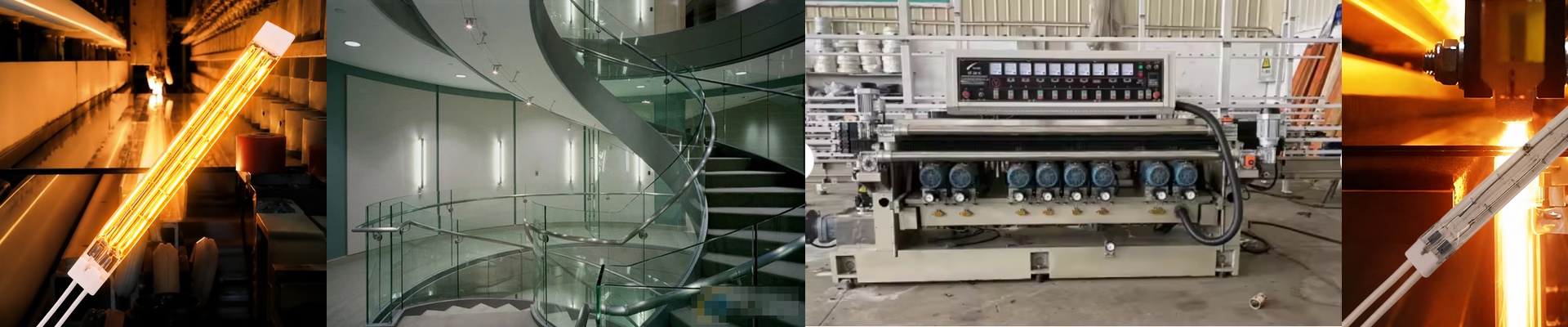
For anyone developing glass materials, the goal is to stop fighting the heater and start getting the data. We can tune the spectral output to match the absorption coefficient of your specific glass. This is the secret sauce. It means the heat actually sinks into the material instead of just scorching the surface. It takes the guesswork out of the process. Less trial and error, fewer ruined samples, and a lot less stress.