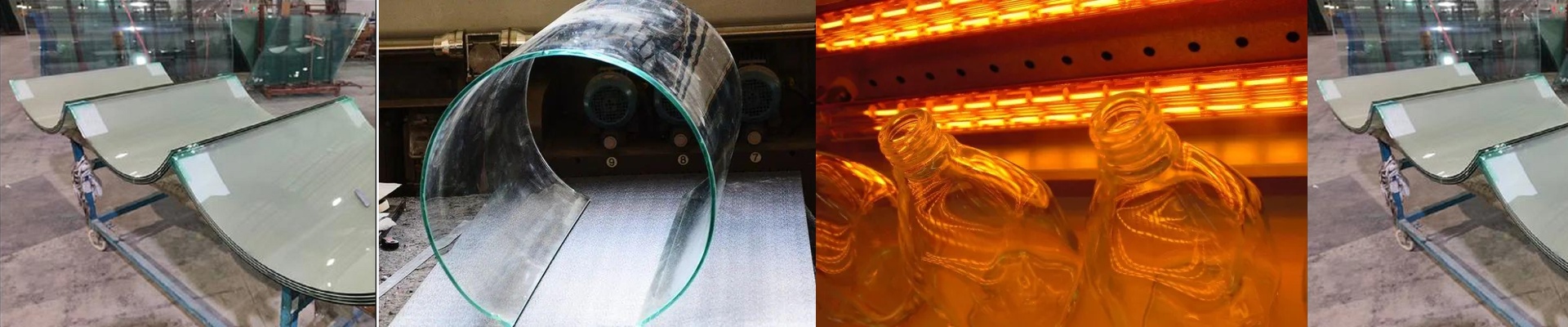
Fixing Those Annoying Cold Spots in Glass Annealing
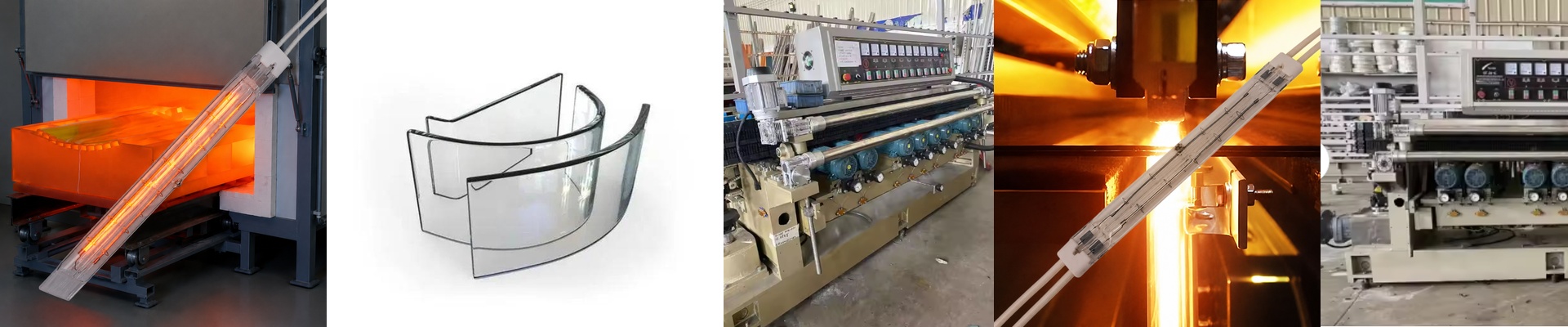
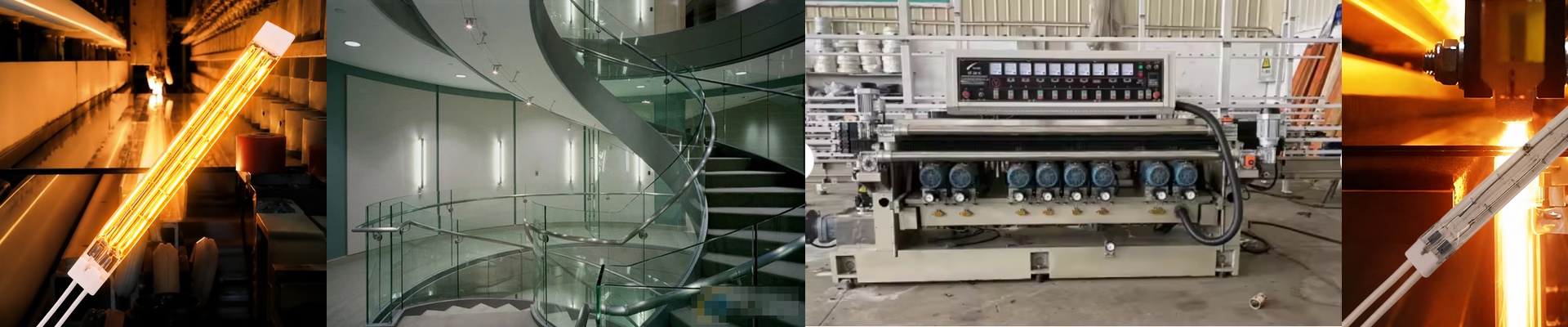
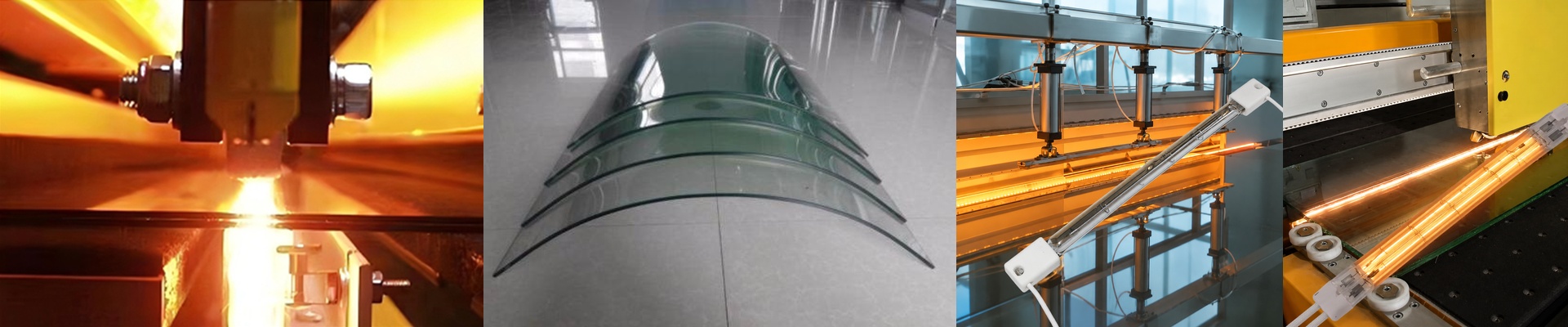
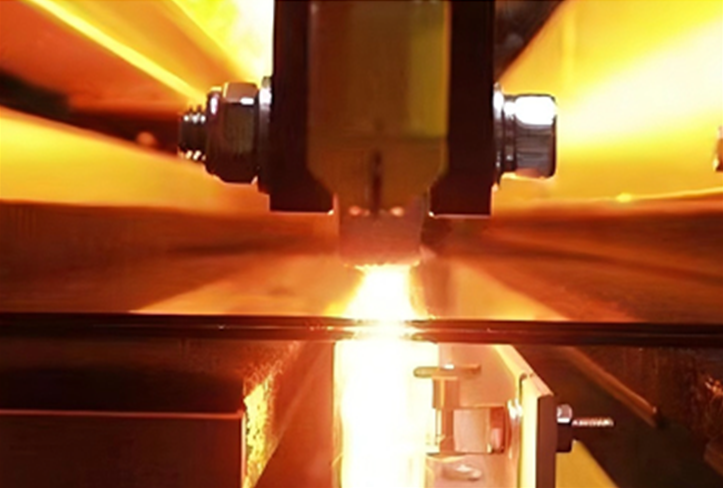
If you’ve ever worked with annealing kilns, you know the frustration of “dead zones.” It’s a nightmare when you’re dealing with tricky shapes—think narrow-neck flasks or those awkward retorts. No matter how high you crank the heat, the standard elements just can’t seem to reach the tight spots. That’s where gold-coated short-wave infrared (SWIR) lamps come in. They basically bridge the gap where traditional heat fails. Why the gold? Here’s the thing: your average quartz lamp throws out a broad spectrum of heat. But when we add a thin layer of gold to the quartz, it changes the game. The gold reflects the longer wavelengths back into the filament, pushing out way more short-wave radiation. The best part? Short-wave IR doesn’t care about the air around it. It doesn’t wait for the air to get hot; it travels in a straight line and hits the glass directly. It’s like a heat-seeking missile for the interior walls of a container that convection heating usually misses. Getting the setup right You can’t just toss these in and hope for the best. You have to get the power density spot on. High-wattage tubes give you that punchy, rapid ramp-up you want, but you have to be careful. If you go too hard, you’ll hit the glass’s thermal shock limit and—crack—there goes your piece. We usually treat these as “booster” heaters. Instead of trying to make the whole chamber a uniform oven, just aim the lamps at the specific angles where you know those cold spots hide. A few things to watch out for Now, the gold coating makes these things incredibly efficient, but it also makes them a bit moody. **Never touch the tubes with your bare hands.**I mean it. The oils from your skin will literally bake into the coating during the first heat cycle. This creates “hot spots” on the tube, and before you know it, the lamp burns out. Also, because the heat is so intense and direct, your control loop needs to be tight. If your PID tuning is sloppy, you might accidentally scorch the surface of the glass before the core even reaches annealing temperature. Oh, and use high-temp leads. Trust me, you don’t want your insulation melting into a puddle near the lamp ends.