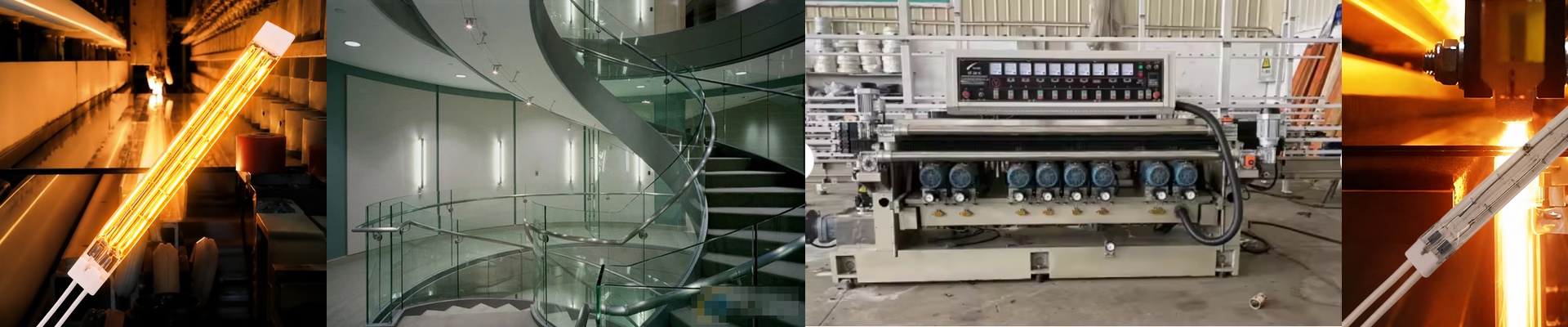
Building Infrared Radiators That Keep Up With Your 3+ Meter Low-E Line
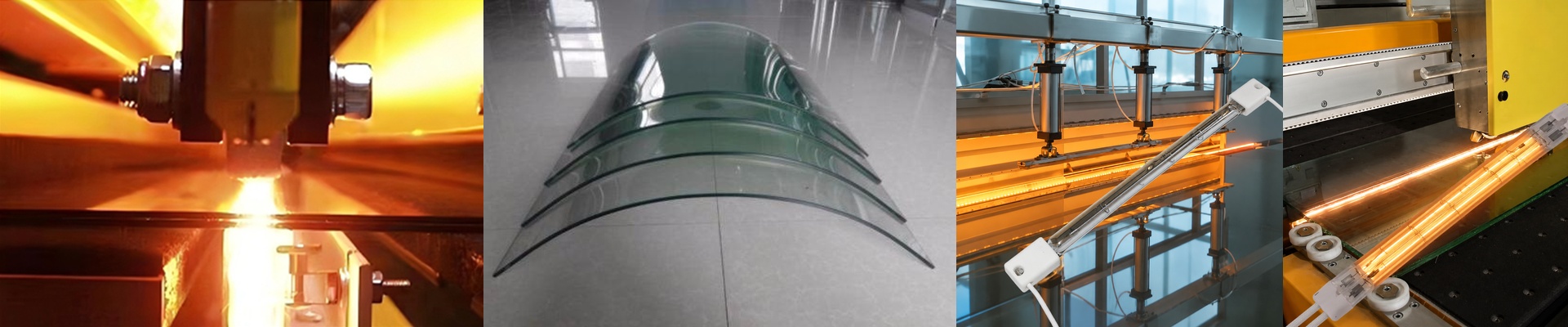
We don’t do one-size-fits-all. We build fast-response infrared radiators for wide-format Low-E coating lines—the kind that span three meters and more. The whole point is simple: preheat and cure across that full width without cold spots or that maddeningly slow ramp-up. You need a custom solution. Off-the-shelf heaters just won’t cut it here.
Getting the Power, Voltage, and Size Right
When you’re running a 3-meter continuous heating unit, power and voltage have to match your line speed and the material you’re coating. We tailor the specs so you get serious heat density without taking up a ton of space. We lean into high-voltage operation—usually 400V. That keeps the current down for the same wattage. And lower current? That means smaller cables, smaller terminals, and less voltage drop over long runs. The length isn’t random, either. Matching the unit to the full width of the Low-E glass wipes out those edge-to-center temperature differences. You end up with heat that’s even across the entire surface—exactly what you need for consistent adhesion and a clean cure.
Built to Respond. Built to Last.
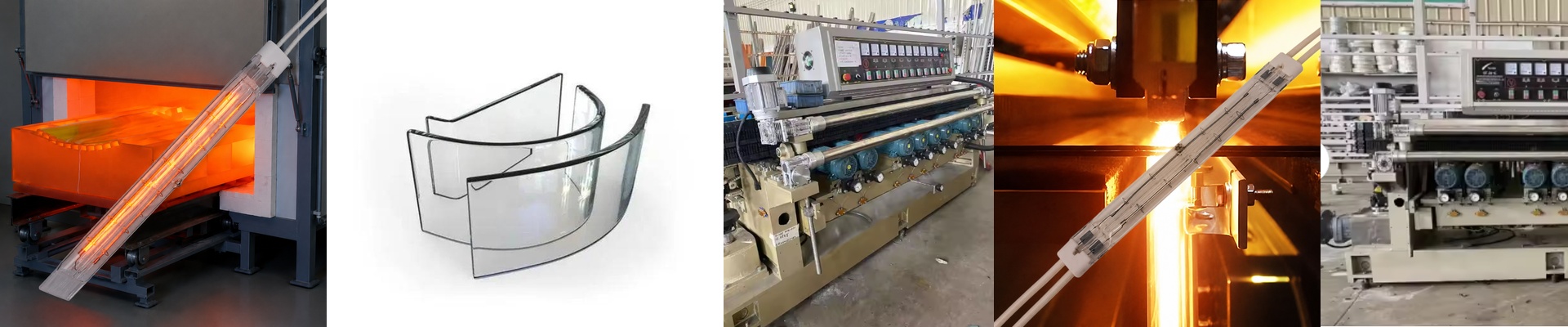
We choose quartz envelopes because they respond instantly and handle extreme temperature swings without flinching. Inside, a halogen element delivers shortwave infrared, focusing the energy right where the coating needs it. The outer quartz gets a selective coating that filters out the visible glare and keeps output stable. For hookup, we use R7s connectors. They’re industrial-grade, proven to handle the heat and the current, and you don’t need special tools to swap them. Maintenance becomes quick. No fuss.
What It Feels Like on the Line
On a Low-E line, the heater has to hit temperature fast—and hold steady while the glass keeps moving. Fast response means a shorter warm-up window and less energy wasted during standby. And when output stays uniform across that full 3+ meter span, you stop fighting uneven curing and rework. One thing to keep in mind: high output brings serious heat density. That means you need proper cooling and clearance around the unit. Plan for solid airflow and thermal shielding in your layout. When you get the setup right, the heating profile is robust and repeatable—so your line keeps moving, steady as ever.