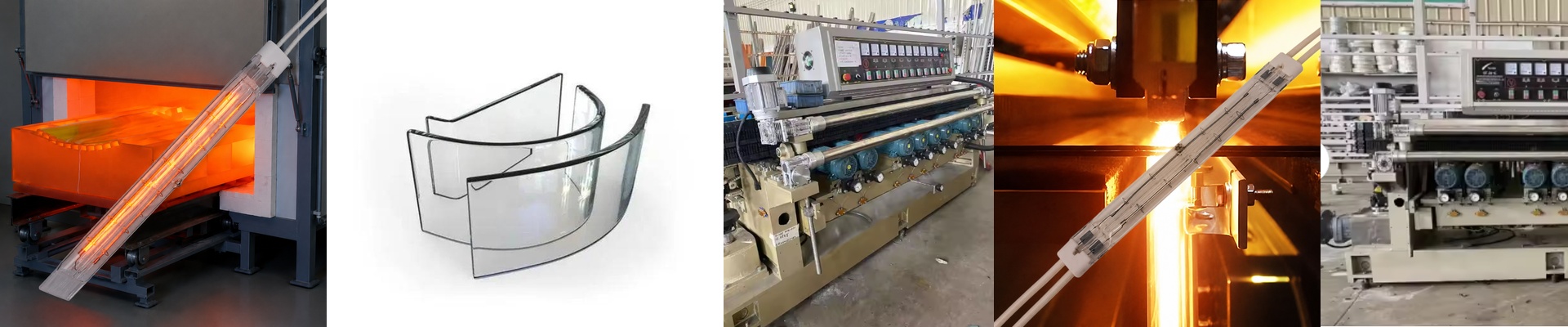
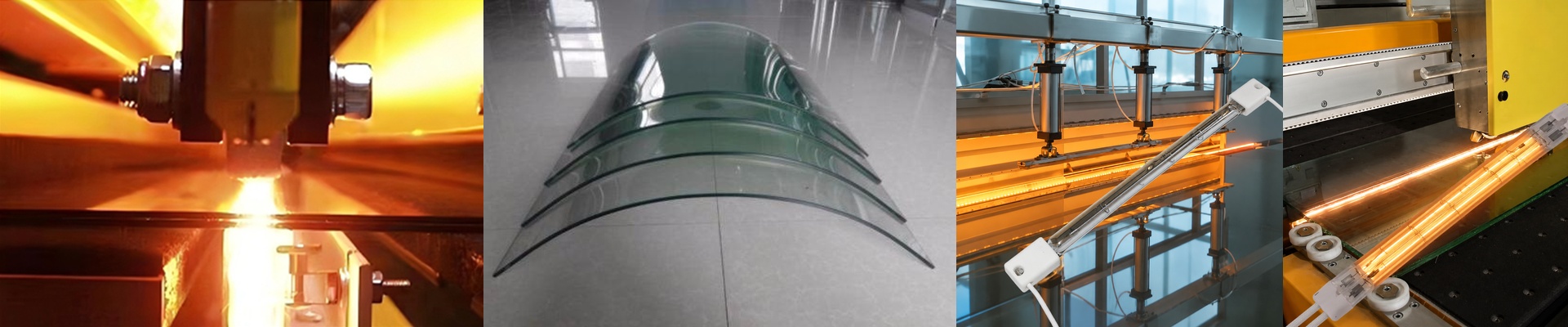
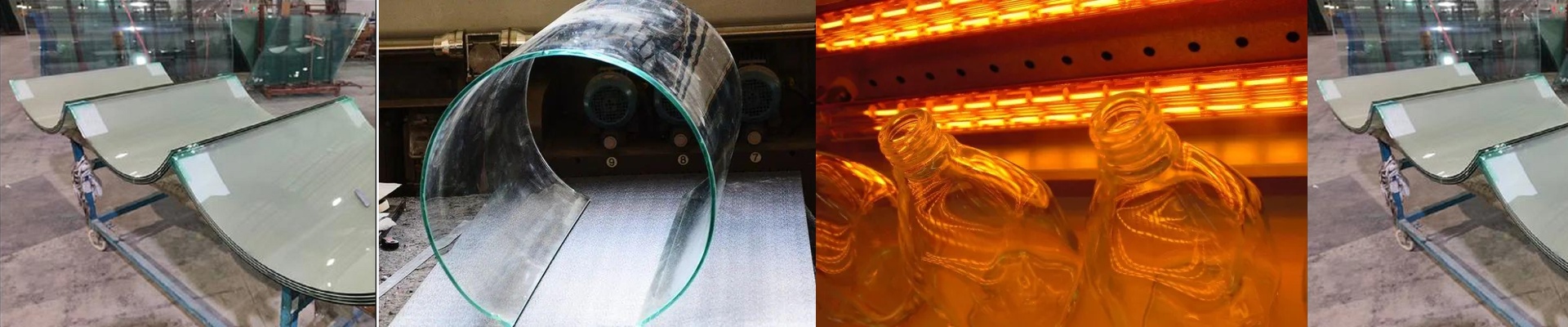
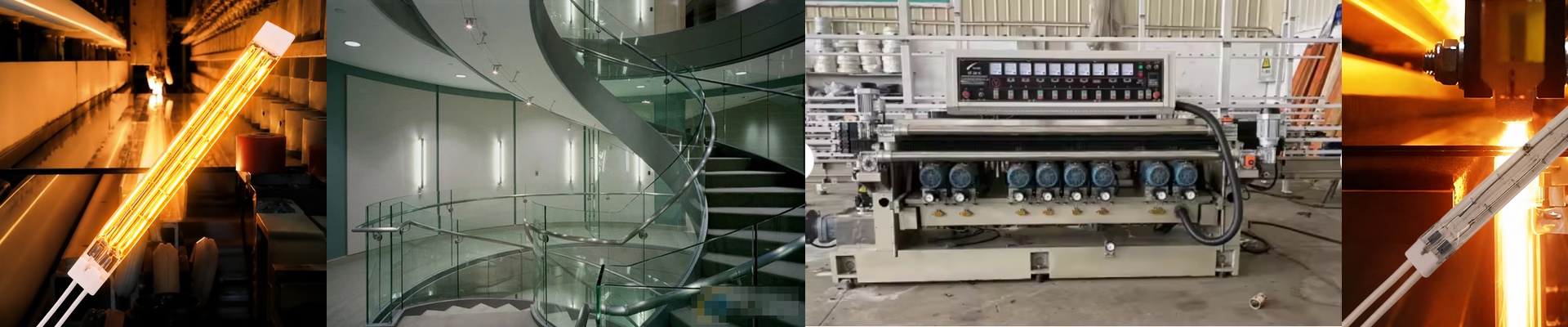
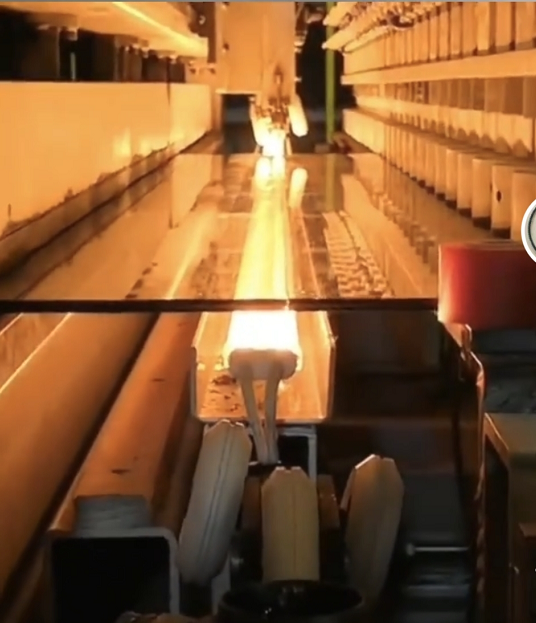
Cutting through ultra-thick glass is brutal on your equipment. If you’ve ever tried to score cold, thick plates, you know exactly what I mean. The cutting wheels just take a beating. It’s a grind. We found a better way to handle this using shortwave infrared (IR) lamps. Instead of just diving in, we target the cutting path with heat before the blade even touches the glass. Here is the trick: regular heat just sits on the surface. It doesn’t actually get into the glass. But shortwave IR is different. Its wavelength actually sinks deep into the material. Think of it as relaxing the glass. We aren’t trying to melt anything here. We’re just loosening those molecular bonds and easing the internal stress along the line. It makes the glass feel… softer. And that changes everything for your tools. When that path is pre-heated, the wheel just glides. You don’t have to lean on the machine or press down with all your might to get a clean break. Since you’re using less force, your diamond or carbide edges stay sharp way longer. You’ll notice you’re getting a lot more meters out of every single wheel. But, there’s a catch. These lamps put out a ton of heat. If you just slap them in without a plan, you’ll end up cooking your conveyor belts or frying your sensors. You’ve got to get your cooling fans and heat sinks right to handle the extra warmth in the air. Plus, you have to be careful not to go overboard. If the glass gets too hot, it’ll just crack on its own. It’s all about finding that sweet spot—balancing your lamp wattage with the speed of your line so the glass is primed, but not stressed.