Getting Glass Annealing Right: Why Precision Actually Matters
If you’ve ever had a piece of lab glassware shatter the second it hit a vacuum pump or a Bunsen burner, you know exactly why annealing is a nightmare. It usually comes down to one thing: internal stress. When your heat source jumps around, you get these thermal gradients—basically, some parts of the glass are fighting other parts. If you don’t smooth that out with a steady soak and a slow cooldown, you’re basically building a time bomb into your flask.
The 0.1°C Obsession
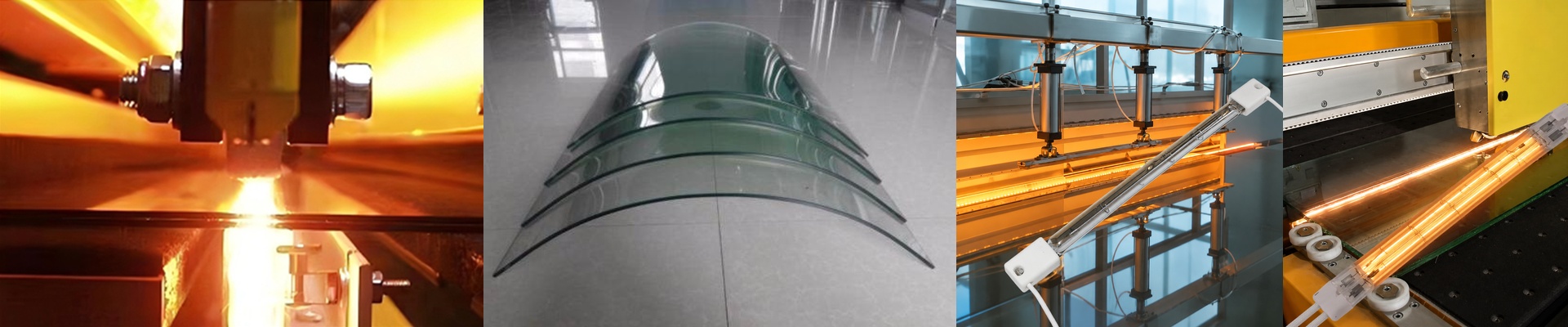
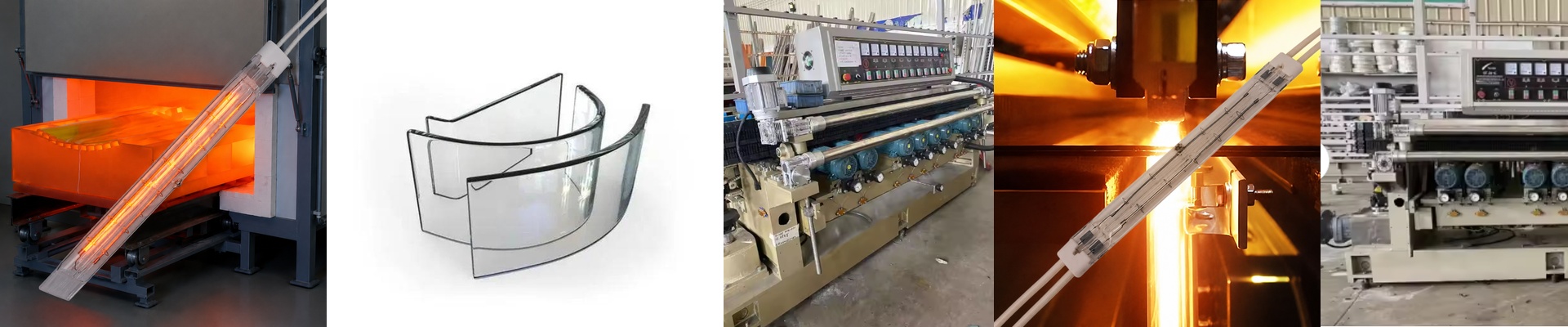
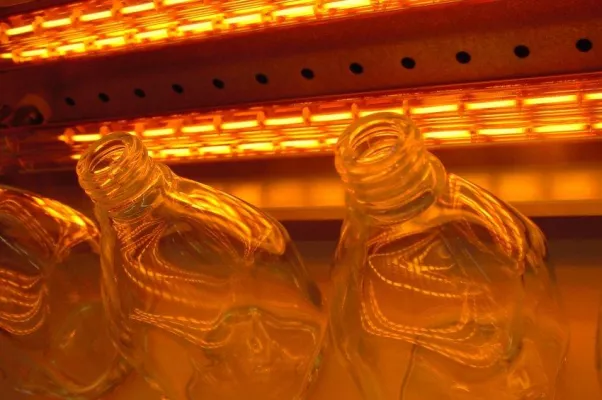
You might wonder why we obsess over a tiny fraction of a degree. Here’s the thing: glass is picky. It has a very narrow window where it actually wants to anneal. We use infrared (IR) lamps because they hit the glass directly. You aren’t wasting time heating up the air in the entire oven; you’re putting the energy right where it needs to go. But that speed is a double-edged sword. If your temperature swings by even 2 or 3 degrees, you’ve missed the window. That’s why we push for 0.1°C precision. It sounds like overkill, but it’s the only way to make sure the molecular structure settles down uniformly. It kills those “hot spots” that usually lead to cracks in the tricky parts, like the neck of a volumetric flask or the curves of a condenser.
Making IR Work for You
We stick with shortwave IR emitters because they’re fast. Really fast. Unlike those old resistive coils that take forever to warm up or cool down, IR lamps react the instant the controller tells them to. You can ramp up to your target temperature quickly and then just… hold it. Flat. But you have to be smart about power density. If you’re working with thick-walled vessels, you need a high-wattage lamp to get the heat deep inside. The catch? You need a rock-solid feedback loop. If your controller isn’t perfectly tuned, you’ll overshoot the target and end up warping your glass.
The Reality of the Build
Getting this kind of precision isn’t as simple as throwing a lamp in a box. It takes some real engineering. To hit that 0.1°C mark, you need high-grade thermocouples sitting exactly where the glass is. You also need heavy-duty shielding. If the lamps start overheating the chassis, the whole system drifts. And if your cooling fans decide to quit? Well, there goes your precision. It’s a balancing act, but when it works, you stop worrying about your glassware exploding and start focusing on your actual research.