Getting the Most Out of Your SWIR Heating
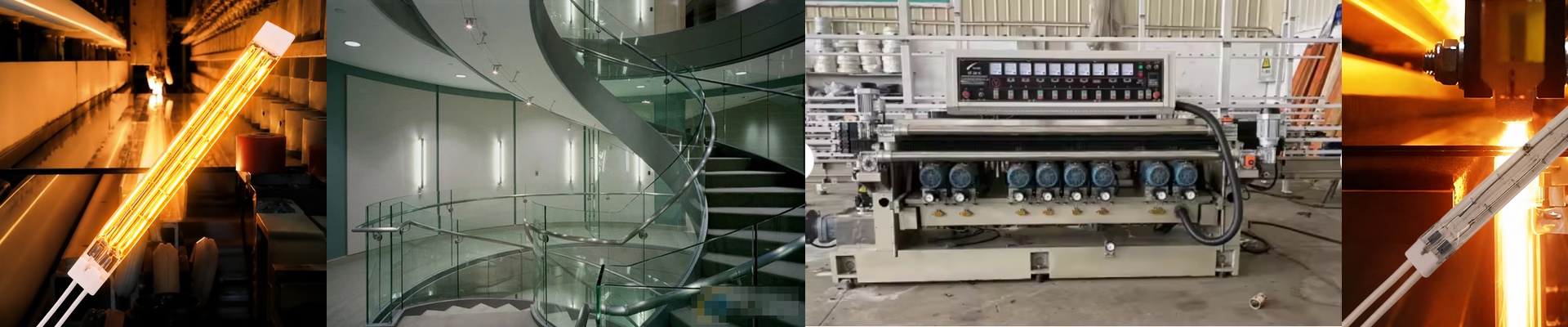
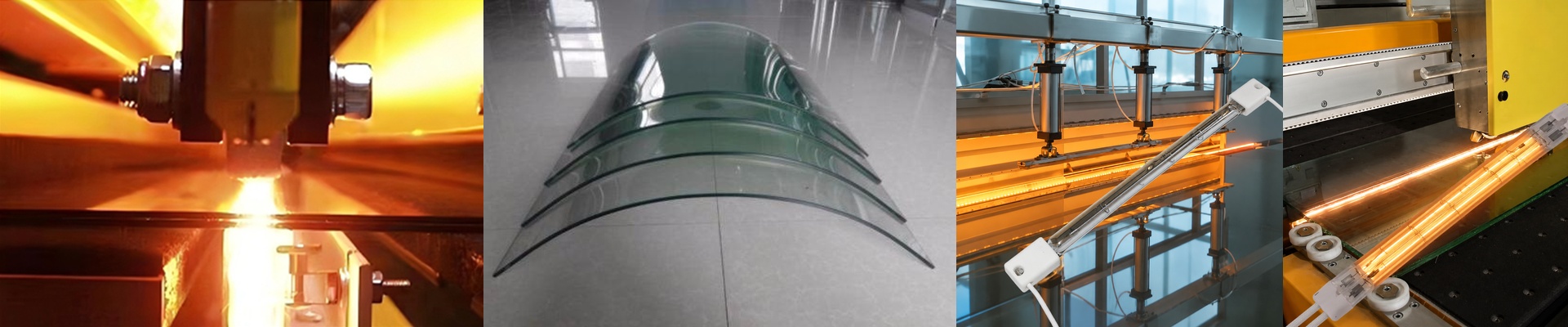
Here is the thing about short wave infrared (SWIR) tubes: most people treat them like lightbulbs. They just check the wattage and the length, order a replacement, and call it a day. But that’s usually where the trouble starts. If you just swap parts without looking at the bigger picture, you’ll probably end up with uneven heating or a tube that burns out way too fast.
The Balance of Power
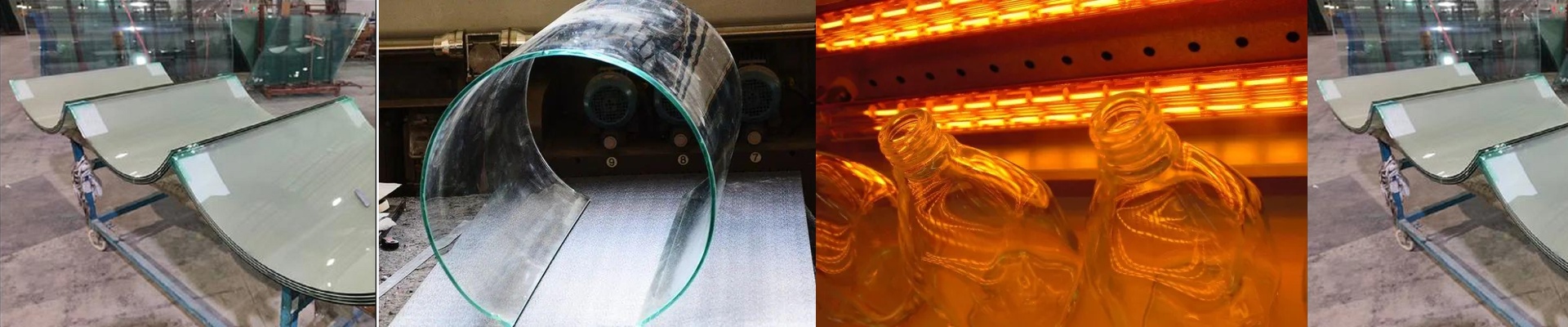
It all comes down to how much heat you’re cramming into a small space. If you put a high-wattage tube into a short footprint, you get an intense blast of energy. That’s great if you’re doing fast-cycle PET blowing or curing—you need that punch. But it’s a risky game. That kind of heat puts a massive amount of stress on the quartz. If your reflectors are getting pitted or your airflow is a bit clogged, the tube will just overheat. It won’t last anywhere near as long as it should.
The Nitty-Gritty: Materials and Plugs
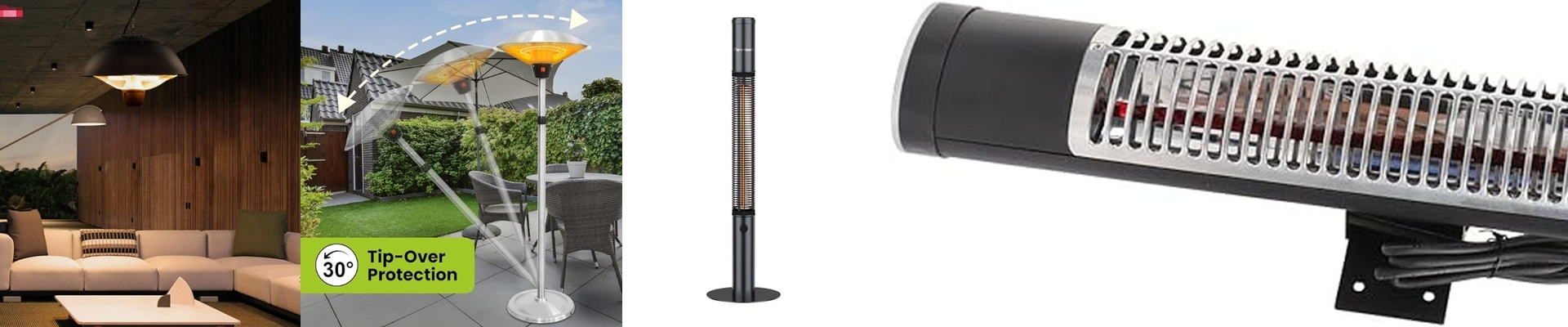
We stick with high-purity quartz because it lets the IR energy through without fighting it. Depending on what you’re actually heating, we might add specific coatings to tweak the spectrum or keep the filament safe. And please, check your connections. Whether you’re using R7s or Sk15 bases, they need to be tight. A loose connection isn’t just a nuisance—it creates hotspots right at the terminals. Before you know it, you’re looking at a melted socket or electrical arcing. Not a great way to start a shift.
Why we’d rather just come look at it
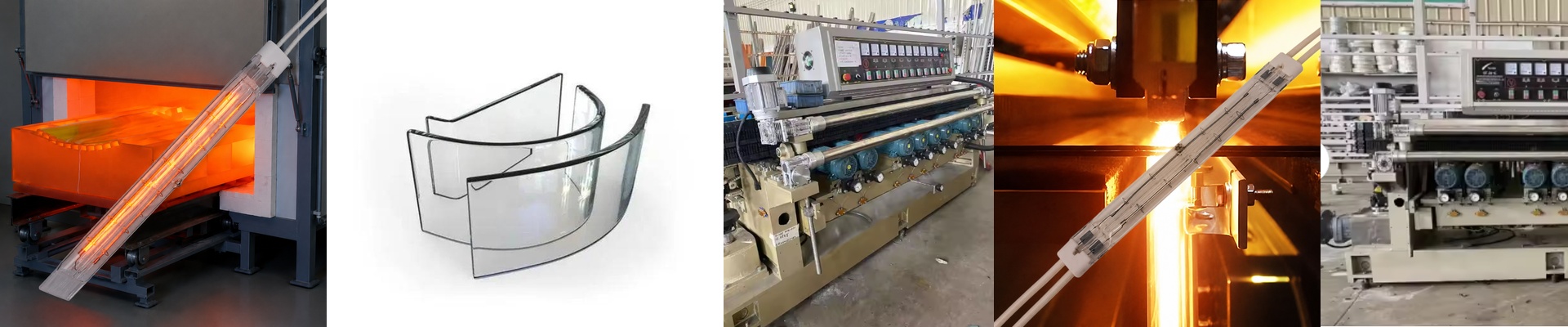
You can buy a lamp from any catalog in the world. But a lamp is only as good as the machine it’s sitting in. That’s why we push for field diagnostics. We want to see the thermal profile in person. We want to find those annoying cold spots and measure the actual gap between the tube and your product. If your machine is running too hot, our first instinct isn’t to just sell you a lower-wattage lamp. We look at the duty cycle. We check if your reflectors are actually reflecting. When everything is aligned just right, you stop wasting energy heating up the frame of your machine and start putting all that heat exactly where it belongs: on the product.