Stop Burning Out Your IR Lamps
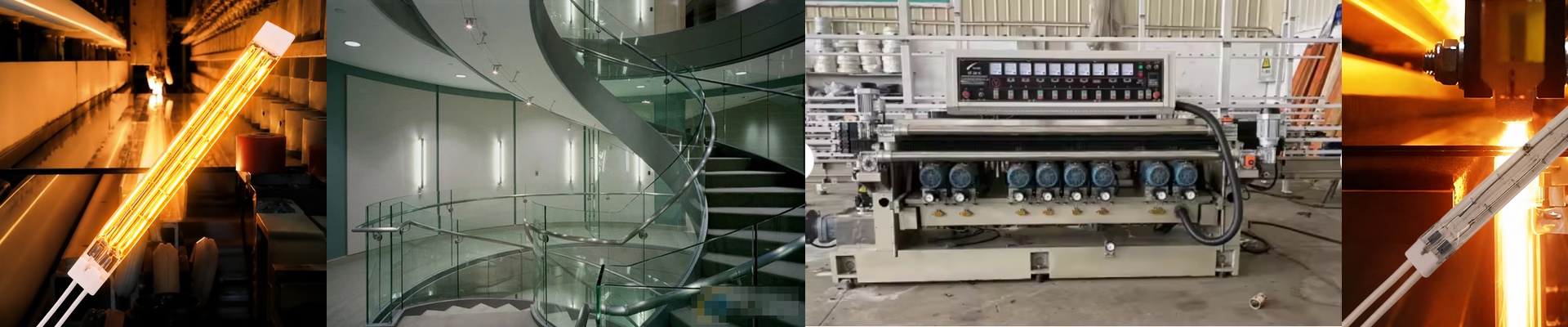
Ever tried to move a piece of equipment across the ocean only to have it fry the moment you plug it in? It happens more than it should. You take a lamp built for 230V, plug it into a 480V North American industrial line, and—pop—it’s gone. That’s why we don’t do “one size fits all.” We build our single tube infrared lamps to match whatever your grid is actually putting out, whether that’s 110V, 480V, or 575V.
The actual physics of it
Voltage isn’t just a checkbox on a spec sheet. It actually changes how the lamp is built. To get the right wattage at 480V compared to 110V, we have to tweak the length and diameter of the tungsten filament. Here’s the upside: high-voltage tubes let you run higher power loads without needing as much current. This means your wiring doesn’t have to work as hard, and you won’t deal with those annoying voltage drops when you’re running long cables across a massive oven.
Picking your parts
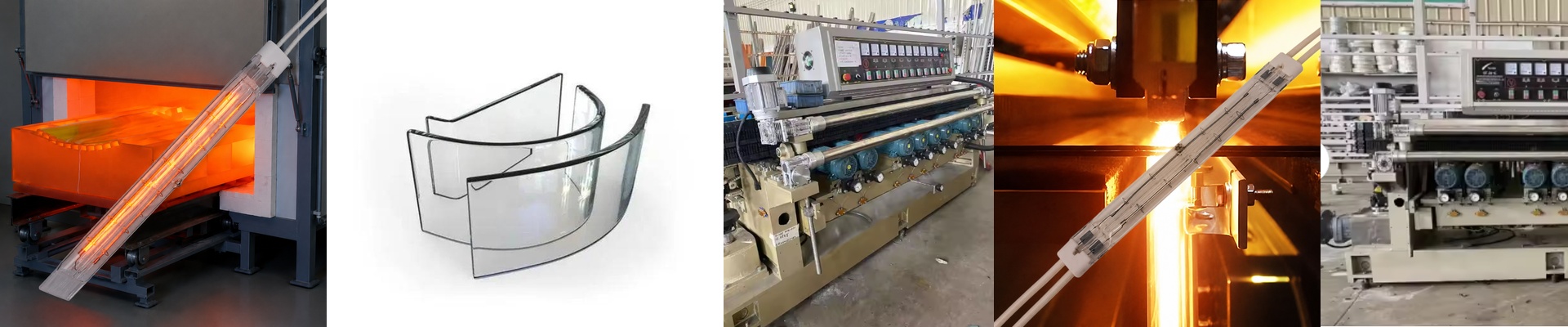
We house everything in high-purity quartz glass. If you’re doing shortwave work, we leave the tube clear. But for medium-wave, we add a ceramic coating. It shifts the emission spectrum and, more importantly, keeps the glass from getting eaten away by chemicals. As for the connectors, you can grab R7s or Sk15 depending on how much room you have to work with. **One word of caution, though.**High-wattage, high-voltage tubes get incredibly hot. If you’re squeezing a 575V tube into a tiny housing, make sure your cooling fans are actually doing their job. Otherwise, you’re looking at a melted socket.
Making it work in your plant
We designed these to be simple drop-in replacements. We match the length and the lead-wire setup of what you’re already using, so you don’t have to spend your weekend rewiring a control panel. Plus, since the lamp matches your plant’s native voltage, you can toss those bulky step-down transformers in the trash. It makes the whole circuit cleaner and gets rid of one more thing that could break down and shut your line.