Getting Glass Annealing Right with Medium-Wave IR
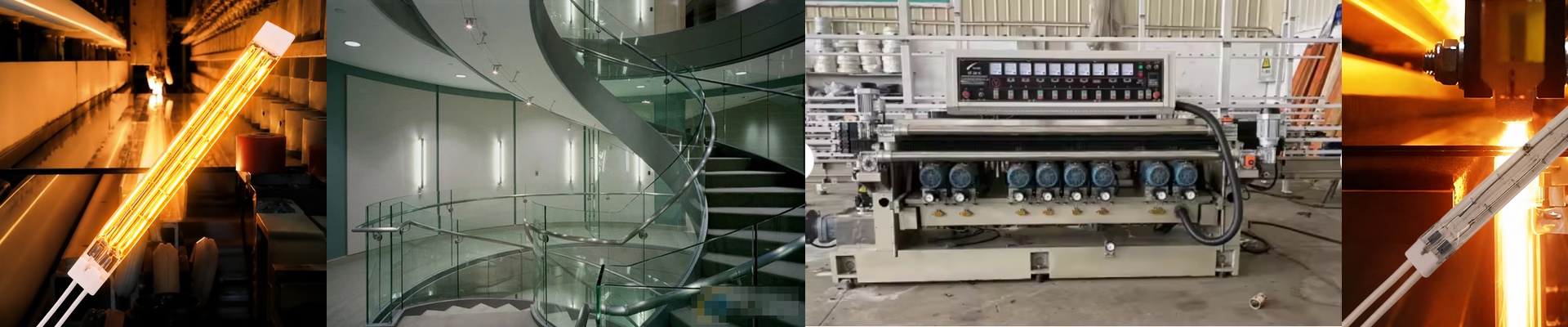
If you’ve ever dealt with glass cracking because the internal stress didn’t settle, you know how frustrating it is. You need the temperature to be just right—not too hot, not too cold, and definitely not uneven. That’s where medium-wave infrared (MWIR) lamps come in. They just happen to be the perfect match for how glass absorbs heat. Why medium-wave? Here’s the thing about short-wave lamps: they dive too deep, too fast. Medium-wave is different. It hits the surface and the middle layers more naturally. This lets you create a smooth heat soak. You avoid that annoying “cold-core” problem where the outside looks fine but the center is still stressed and waiting to snap. Instead, the glass just settles as it glides down your line. No more waiting around If you’re using gas-fired ovens, you’re dealing with a lot of lag. You can’t just flick a switch and have the heat be there. MWIR lamps are instant. You can hook them up to a PID controller and a thyristor, and suddenly your heat adjusts in real-time. If your conveyor speeds up, the lamps ramp up. It’s a relief not having to kill your momentum or stop the whole line just to tweak the temperature. The trade-offs (because nothing is perfect) Now, there is a catch. High-wattage tubes put out a lot of heat—and not all of it goes into the glass. A good chunk of it hits your machine frame. If you skimp on the cooling fans or water-jackets, you’re asking for trouble. Without proper venting, you’ll end up warping your reflectors or frying your sockets. It’s a simple fix, but you have to plan for it. The big win, though? Your floor space. You can ditch that massive 20-meter oven and swap it for a compact IR tunnel. It makes the whole shop feel less crowded and stops you from wasting money heating the air around the glass instead of the glass itself.