Stop Wasting Power in Your Glass Annealing Ovens
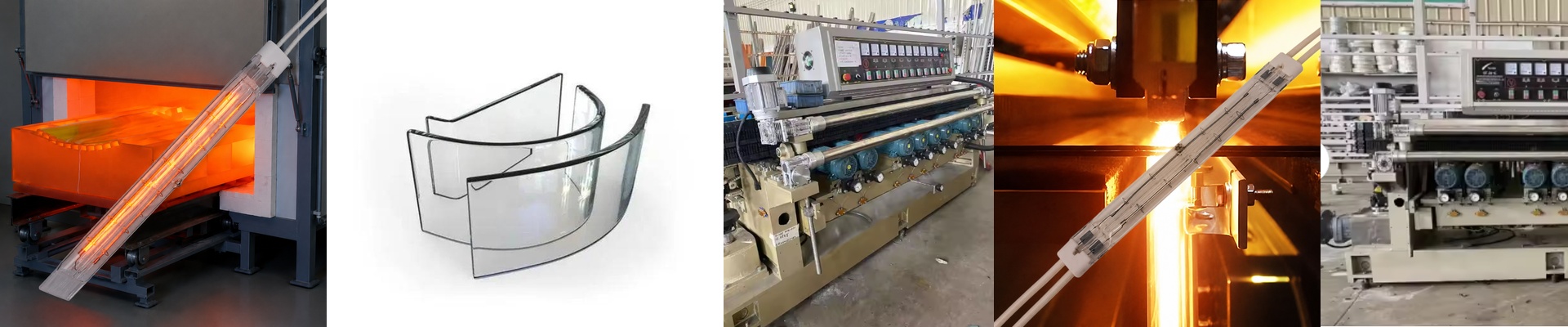
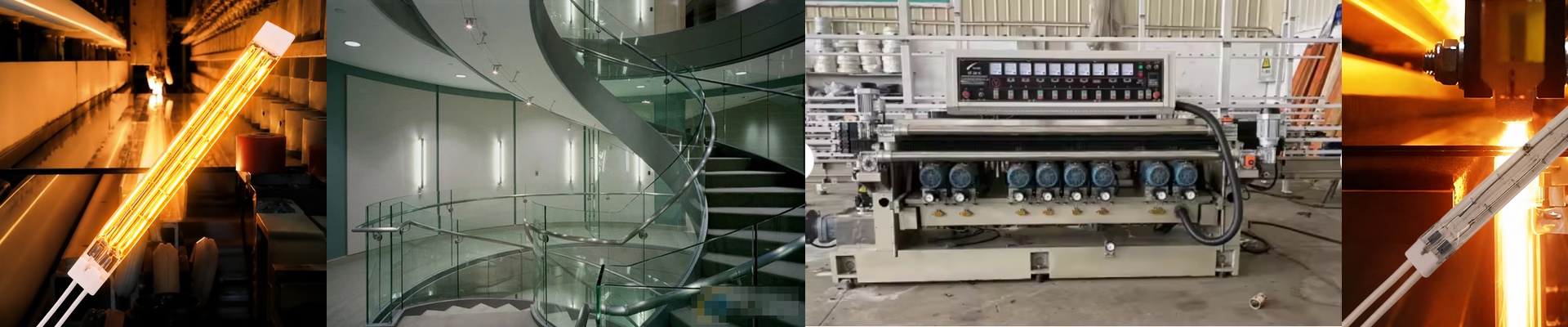
Let’s be honest: glass annealing is an energy hog. If you’re still using those old-school heating elements, you’re basically paying to heat up the entire oven cavity just to get the glass to the right temperature. It’s a waste of money and time. We do things differently with short-wave infrared (IR) lamps. Instead of warming the air around the glass, these lamps hit the material directly. You get a much faster warm-up and a electricity bill that actually looks reasonable at the end of the year. The secret is heat density. We pack a lot of wattage into a small quartz tube. Because the heat is so concentrated, you hit those annealing temperatures fast. Really fast. And since you aren’t spending hours soaking the oven walls in heat, you lose a lot less energy to the surrounding room. What’s under the hood? We use high-purity quartz so the lamps don’t warp when things get intense. We also use a halogen cycle. That’s just a fancy way of saying the tungsten filament doesn’t evaporate and gunk up the inside of the tube. The result? The lamps stay clear and keep pumping out consistent heat for thousands of hours. Plus, you don’t need to rebuild your whole shop to use these. They use standard industrial connectors, so they usually just slide right into your existing setup. A few things to keep in mind on the shop floor. Here’s the catch: because these lamps are so powerful, they create a lot of heat in one specific spot. You’ve got to make sure your vents and cooling systems can handle those spikes. If your airflow is blocked, you’re going to burn through your lamps way faster than you should. One last tip: pay attention to the wavelength. We stick with short-wave IR because it actually penetrates the glass surface, rather than just bouncing off it. It cuts down the cycle time for every batch. Less time in the oven means fewer kWh per unit. It’s that simple.