Why Your Lab Glass Keeps Cracking (And How to Fix It)
Ever had a piece of lab glassware just… pop? No warning, no impact, just a spontaneous fracture. It’s frustrating. Usually, it happens because different parts of the glass cooled at different speeds, leaving behind hidden stress. To stop that, you need to hit the “annealing point”—that sweet spot where the glass is stable enough to let go of internal tension but not so hot that it starts to sag or soften.
The Battle for 0.1°C
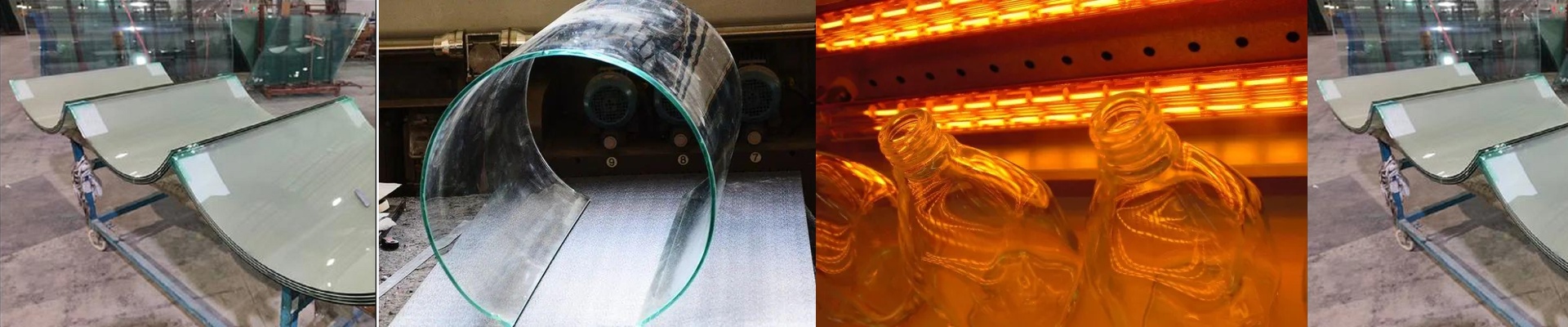
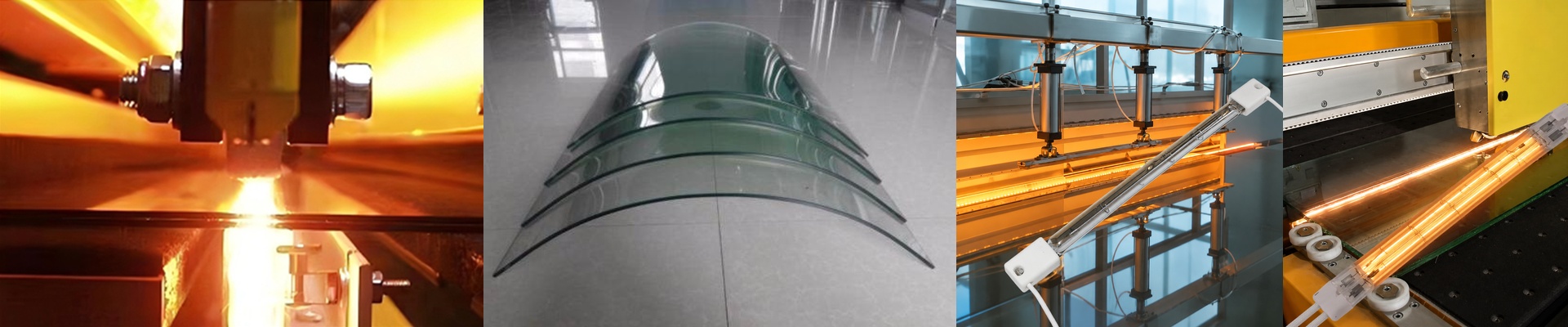
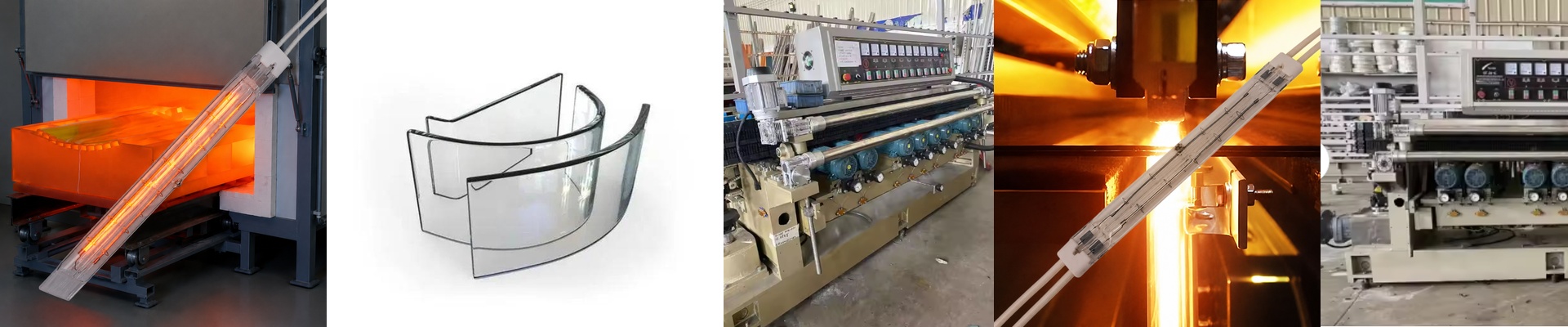
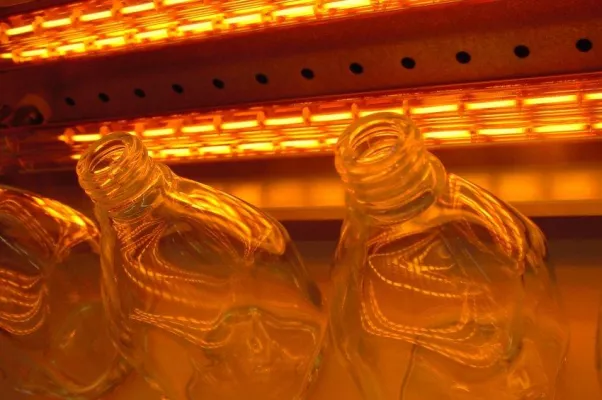
Here’s the thing: standard heaters are clumsy. They overshoot. When you’re trying to nail a tolerance of 0.1°C, the lag between your sensor and the heater is your worst enemy. That’s why we use short-wave infrared lamps. Instead of wasting time heating up the air around the glass, these emitters dump energy directly into the molecular structure of the glass itself. It’s almost instant. But the lamp is only half the battle. You need a PID controller that can kill the power the exact millisecond you hit your target. If your lamp lingers or holds onto heat too long after it’s off, you’ll overshoot the mark and probably scrap the whole batch.
The Gear and the Grunt Work
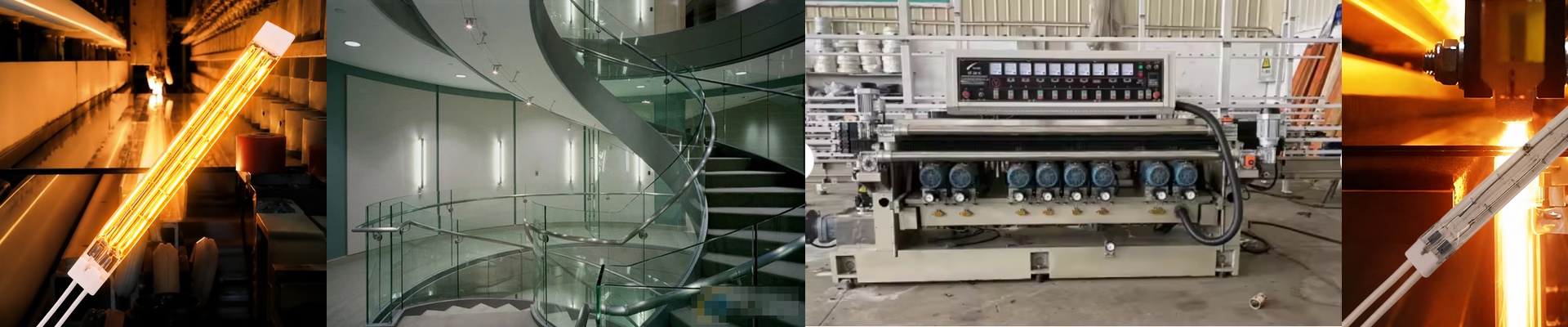
These aren’t your average lightbulbs. We use high-wattage quartz envelopes because they can handle the brutal thermal shock of rapid cycling without snapping. We also add specialized coatings to keep the heat focused on the glass walls rather than warming up the furnace chassis. And a heads-up on the build: don’t skimp on the wiring. You need heavy-duty leads. The heat output is so intense that the housing takes a real beating from thermal expansion. Also, check your reflectors. If they aren’t polished aluminum or gold-plated, you’re basically throwing 20% of your energy away into the casing.
Getting the Cool-Down Right
Precision isn’t just about hitting the peak temperature. The real magic happens during the ramp-down. We dial back the infrared output in tiny, careful increments. This makes sure the core of the glass and the outer surface cool down in lockstep. If your power supply is off or your lamp has “hot spots,” you’ll create new stress points during the cooling phase. And we’re right back to where we started: glass that breaks for no apparent reason.