Stop Worrying About Your Glassware Cracking
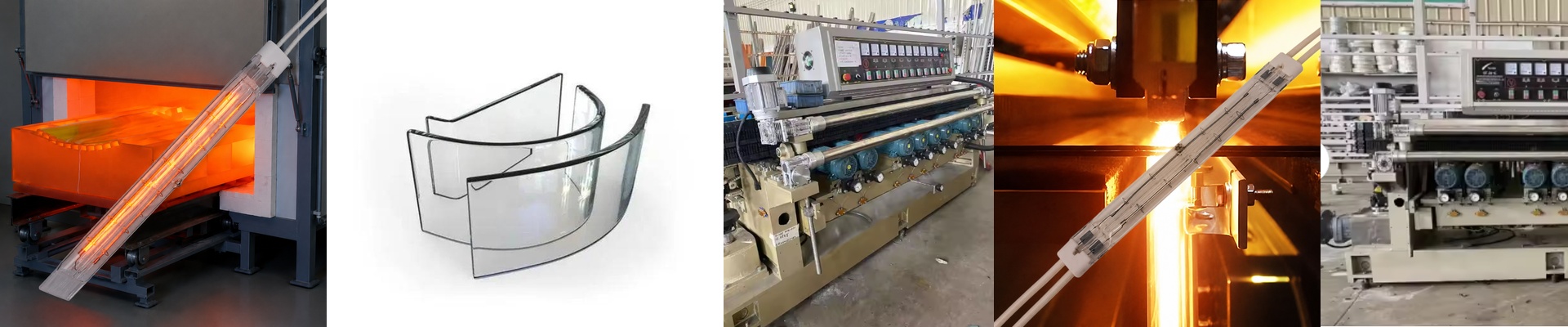
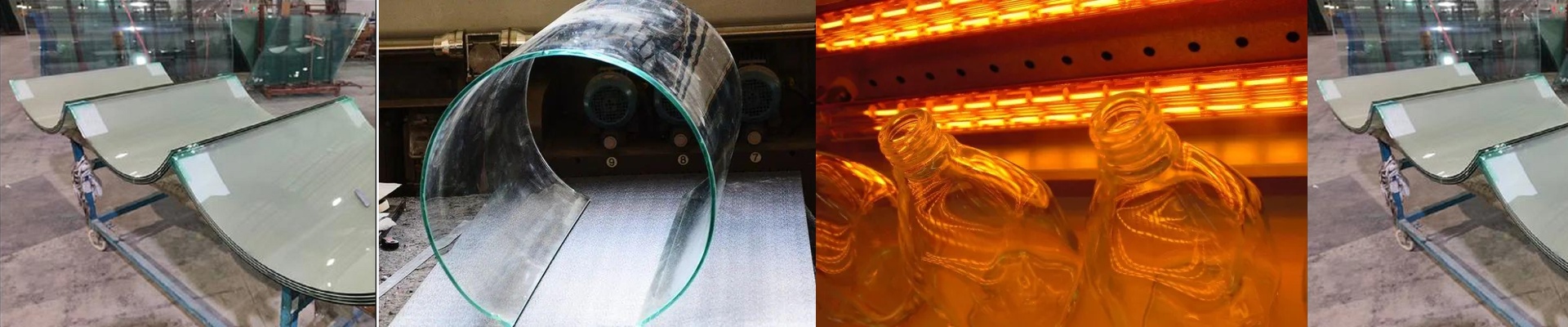
There is nothing worse than spending hours on a piece of lab glass only to have it shatter for no apparent reason. Usually, it’s because of internal stress. If your heating ramp is off by just a couple of degrees, the glass holds onto that tension. It’s a ticking time bomb. That’s why we use high-precision infrared (IR) elements. We hit the annealing point exactly where it needs to be, so your glass actually stays in one piece after it cools.
Why we obsess over 0.1°C
Glass is picky. There’s this tiny window where it transforms, and if you miss it, you’re in trouble. Go too hot? The glass starts to deform. Too cold? The stress stays locked inside. With borosilicate glass, there isn’t much room for error. We keep our IR elements within a 0.1°C tolerance because it’s the only way to make sure the heat is the same across the whole piece, regardless of the shape.
The gear under the hood
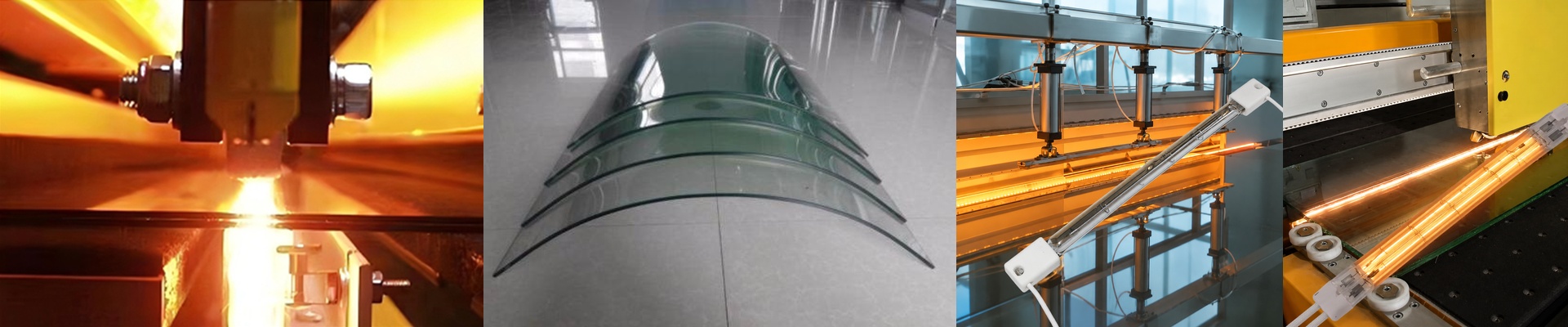
We use high-purity quartz envelopes for our lamps because they can handle the heat without breaking a sweat. We stick with shortwave IR. Why? Because it doesn’t just sit on the surface; it actually penetrates the glass wall. It’s more of a deep soak than a surface tan. To keep things stable and make the lamps last longer, we use halogen-filled tubes. One quick tip: if you’re using high-wattage tubes to speed things up, make sure your power supply can handle that initial “cold-start” surge. Otherwise, you’ll be replacing fuses more often than you’d like.
Getting the temperature just right
Hitting the peak temperature is only half the battle. The real secret is how you get there—and how you come back down. We pair our lamps with PID controllers to handle the soak and the slow-cool phases. It takes the guesswork out of it. You also have to watch your spacing. If the lamps are too close, you get hot spots. Too far, and you’re wasting time waiting for it to heat up. We usually suggest a specific distance based on how thick your glass is. It keeps the heat even so the “skin” of the glass doesn’t cool faster than the core. That’s usually where those nasty stress-cracks start.