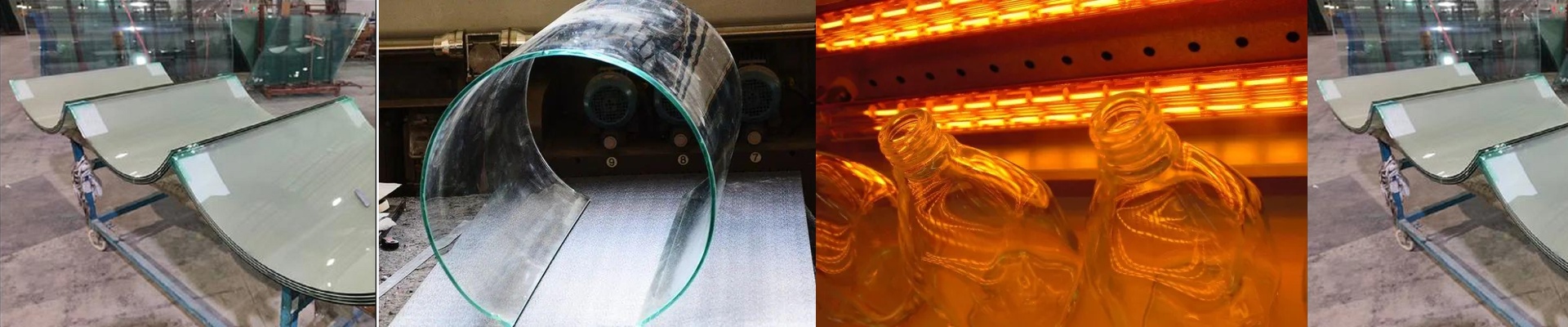
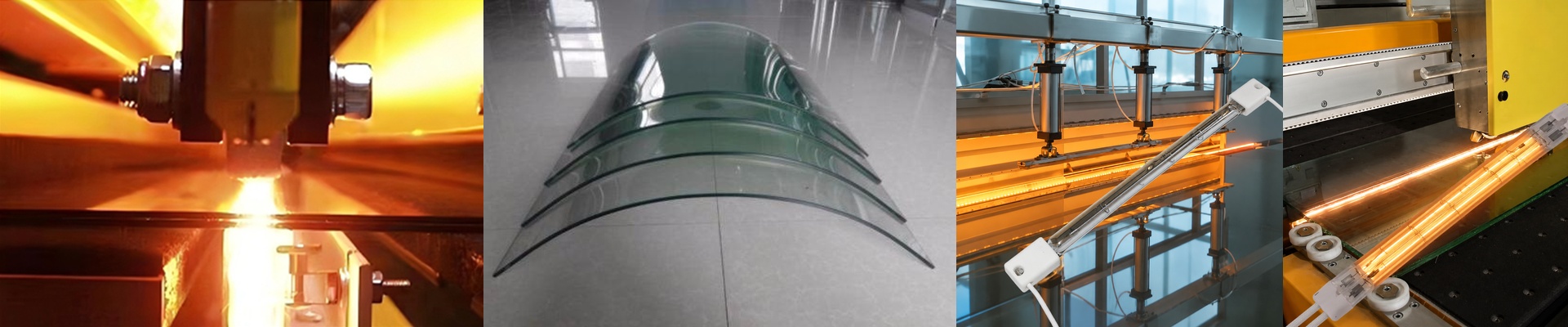
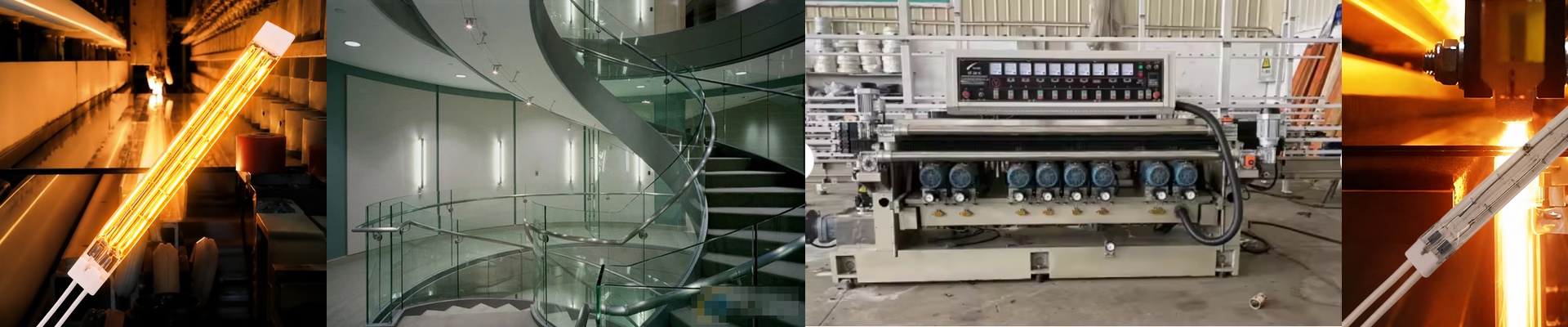
Stopping Glass from Shattering During Tempering
If you’ve ever worked with flash tempering, you know the stress of the heat curve. One wrong move—hitting the glass too hard or too fast—and you’ve got thermal shock. Basically, the glass just gives up and cracks. We’ve found a way to stop that by pairing high-response infrared (IR) lamps with Aluminum reflectors that are machined to a T.
Speed is everything
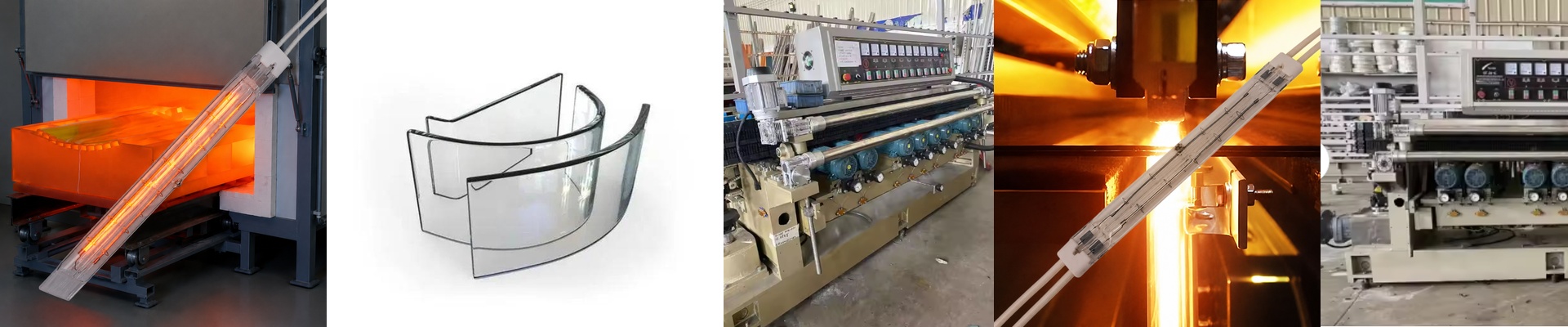
When you’re trying to protect the glass, you can’t wait around for a heater to “warm up.” You need the power to drop now. That’s why we use short-wave IR lamps. They react instantly. The second your controller tells the power to dip, the lamp listens. No lag, no overshoot. If you try to do this with old-school, slow-ramping heaters, you’re just asking for a broken piece of glass.
Making the most of your heat
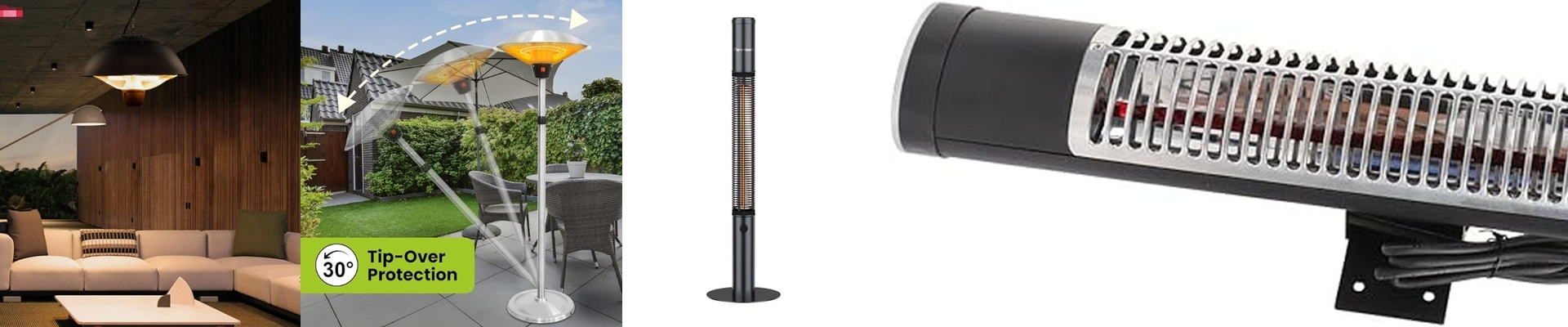
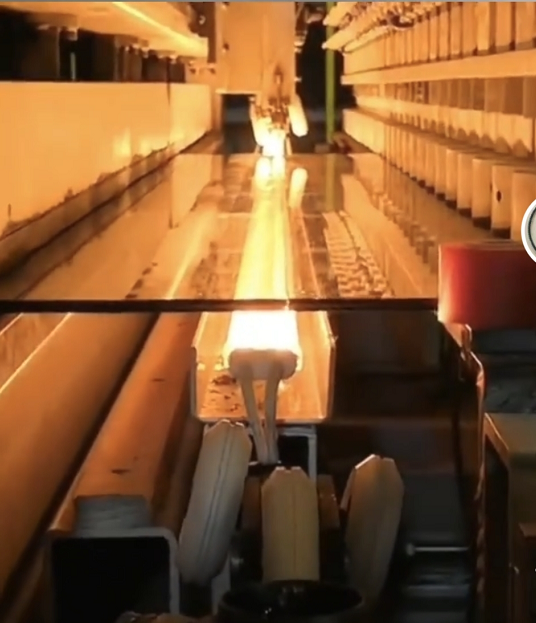
Here’s the thing about IR lamps: they throw heat in every direction. If you just hang a lamp in a tunnel, half your energy is just heating up the machine frame. That’s a waste of money and electricity. We use high-purity aluminum reflectors to bounce that wasted energy right back onto the glass. The shape of the reflector is where the magic happens. A parabolic curve tightens the beam, while a flat mirror spreads it out. We dial these in so the glass heats up evenly. If your reflector gets warped or oxidized, you’ll get hot spots. And hot spots? Those are just cracks waiting to happen.
The trade-offs (and how to handle them)
There is a catch. Because these reflectors push more heat onto the glass, the lamp housing itself gets a lot hotter. You can’t skimp on the cooling fans. If your airflow is weak, you’ll burn out your lamp sockets way sooner than you should. Before you crank up the wattage, double-check your ventilation. Trust me on this. For the best results, wire everything into a fast-switching SCR. It gives you the kind of surgical control you need to push the glass right to the edge without actually breaking it.