Why Fast-Response IR Lamps are the Secret to Fiberglass Annealing
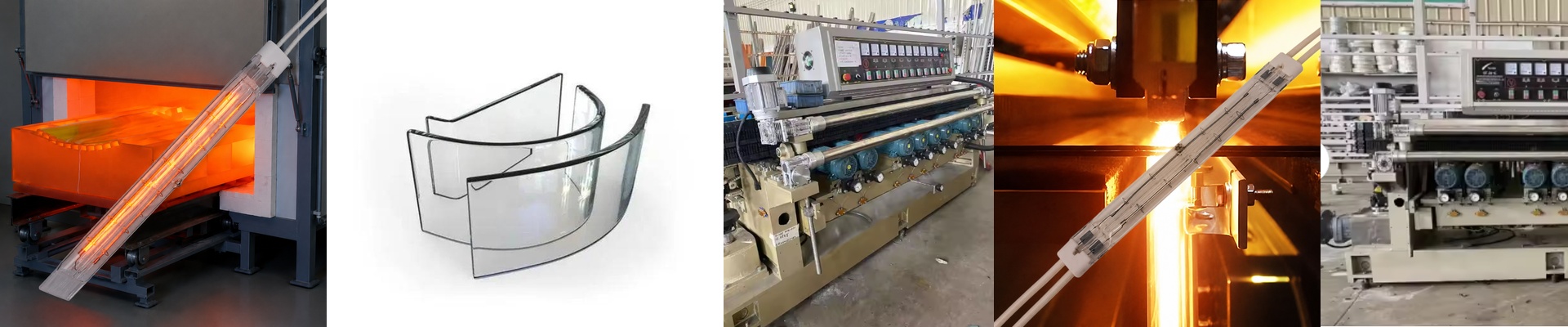
When you’re pulling glass fibers at high speeds, you’ve got a tricky balancing act. You need to get rid of those internal stresses so the glass doesn’t snap, but if you overdo it, you’ll melt the whole thing. Standard resistive heaters just can’t keep up. They’re too slow. That’s why we lean on shortwave infrared lamps. They hit the target temperature in seconds. Not minutes—seconds. This means you can keep your production line humming along without having to throttle your pull rate just to keep the heat consistent.
How the heat actually works
Here’s the thing about online annealing: you need heat now. Shortwave IR doesn’t mess around with heating up the air around the fiber (which is basically a waste of time). Instead, the energy shoots straight into the glass. No waiting for a convection oven to warm up, no “thermal lag.” Because it’s so direct, you can tweak your temperature profile on the fly. If your line speed jumps, you just adjust the lamps and you’re back in the sweet spot immediately.
The gear and the grit
We build these heaters with a high wattage density. Why? Because nobody wants a machine that takes up the entire factory floor. By packing a ton of power into a short quartz tube, we create an intense, concentrated heat zone. But a word of caution: these things are powerful. If your power supply is jumpy, those filaments will pop. To keep things steady, we always suggest using SCR controllers. They give you the precision you need to keep the lamps happy and your glass perfect.
The trade-offs (The “Real World” stuff)
Getting these wired into your line is the easy part. The hard part is managing the heat. These lamps are aggressive. While that fast ramp-up is great for your throughput, it puts a lot of stress on your equipment. If your cooling fans or heat sinks aren’t up to the task, you’re going to end up baking your own sensors and wiring. It’s a messy mistake you only want to make once. Then there’s the timing. You have to match the lamp length to how long the fiber stays in the heat zone. Too short? You get cold spots. Too long? You’ve just melted your product. It’s all about getting that timing just right. Once you nail it, you’ve got a steady flow of stress-free glass coming off the line.