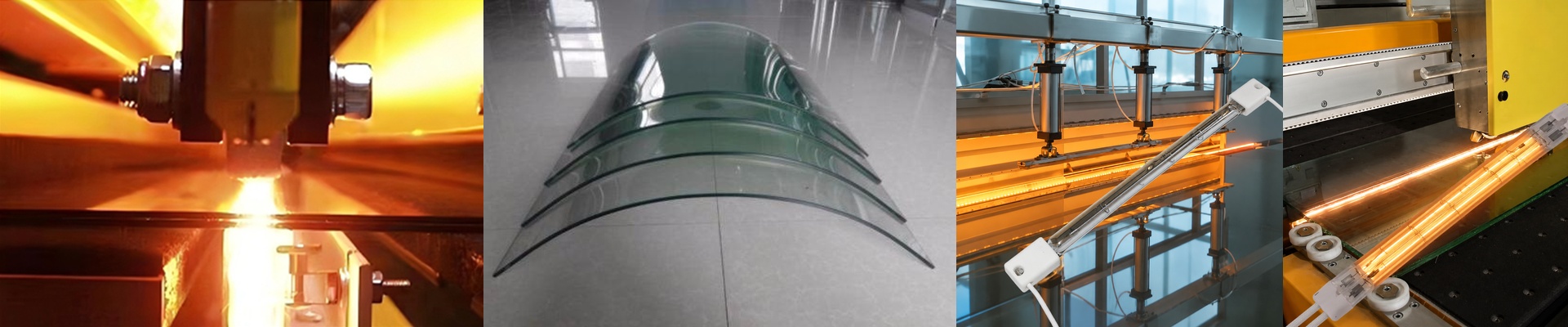
Getting Your Voltage Right for Glass Bending
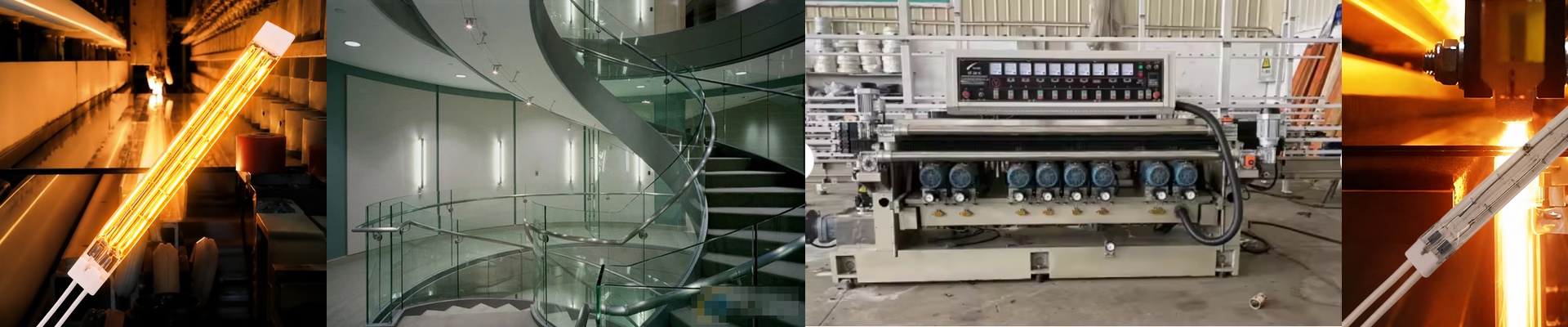
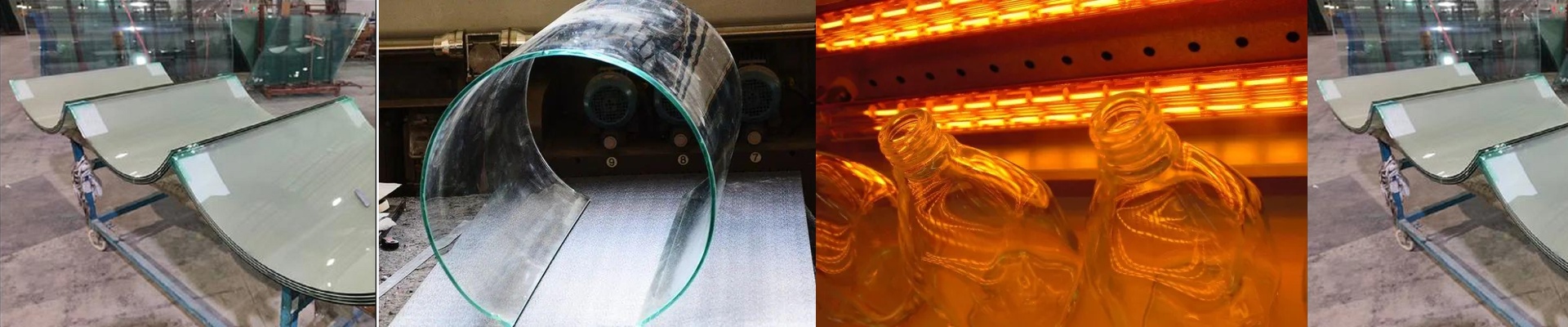
If you’re bending tempered glass, you already know that heat is everything. But here’s the thing: if your heating lamps aren’t a perfect match for your local power grid, you’re asking for trouble. You’ll either end up with patchy, uneven heating or—even worse—you’ll watch your filaments burn out way before they should. That’s why we build our infrared heaters to fit specific standards like 110V, 480V, and 575V. We want your wattage to stay rock-steady, no matter where your shop is located.
Why the voltage actually matters
It’s not just about making sure the plug fits. It’s about how the lamp actually behaves. When we move up to a high-voltage setup like 480V or 575V, we can hit the same heat levels as a 110V system but with much lower amperage. For you, that means thinner wiring and less stress on your transformers. It just makes the whole setup leaner. But you have to be careful. The filaments are engineered for a specific kind of electrical pressure. If you try to force a 220V lamp onto a 480V line, it’ll snap instantly. Pop. Gone. On the flip side, if you under-volt a lamp, it won’t get hot enough. Your glass won’t reach that sweet spot where it softens, and you won’t get a clean bend.
A few things to keep in mind
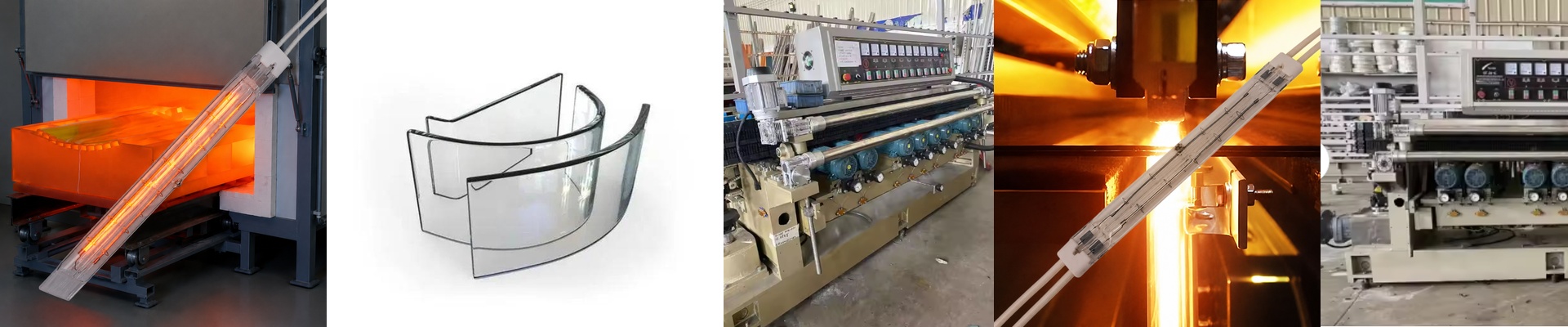
These heaters are designed to drop right into your industrial furnaces. We use high-purity quartz because it lets the infrared heat through without any fuss. Just a heads-up: high-voltage lamps put out an intense amount of heat. You’ll want to double-check that your cooling fans and housing can handle that extra warmth. If they can’t, you might see your lamp supports start to warp. We can build these to fit your exact footprint. Whether you need a weird length or a specific wattage, we’ll wire it to your local standard. And the best part? You can ditch those bulky external step-down transformers. They take up way too much floor space and they’re usually the first thing to break when you least expect it.