Stopping Glass from Shattering: The Secret is Fast IR Control
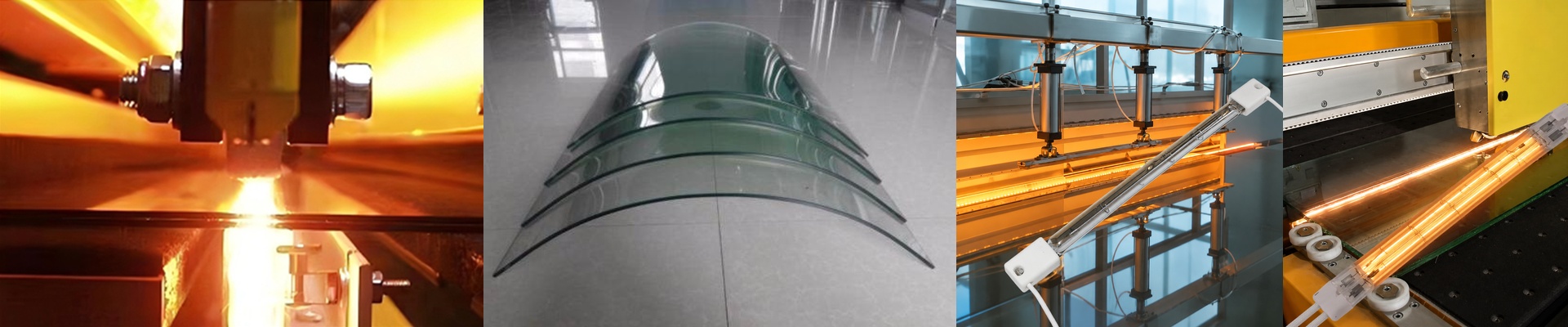
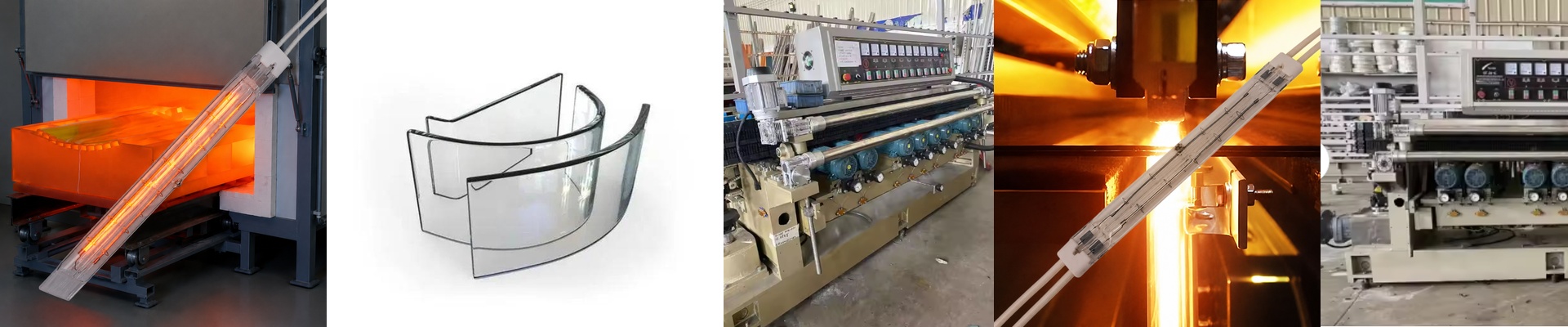
Ever seen a piece of glass just… snap? It’s frustrating. Usually, it happens because the temperature difference between the outside and the inside of the glass is just too wide. That’s thermal shock, and it’s a nightmare for anyone running a production line. To stop it, we use shortwave infrared (IR) preheating lamps. But the real trick isn’t just the heat—it’s how fast you can turn that heat up and down.
Why Speed Matters
Most heating elements are slow. They hold onto heat like a brick, which makes them clunky. Shortwave IR lamps are different. They react almost the second you change the voltage. We set these up so your PLC can throttle the power in real-time. As the glass rolls in, the lamps kick in hard to get it up to temp quickly. But the moment it hits that sweet spot, the power drops. This keeps the surface from overheating and ensures the inside of the glass is keeping pace with the outside. It’s a delicate balance, but it works.
The Gear Under the Hood
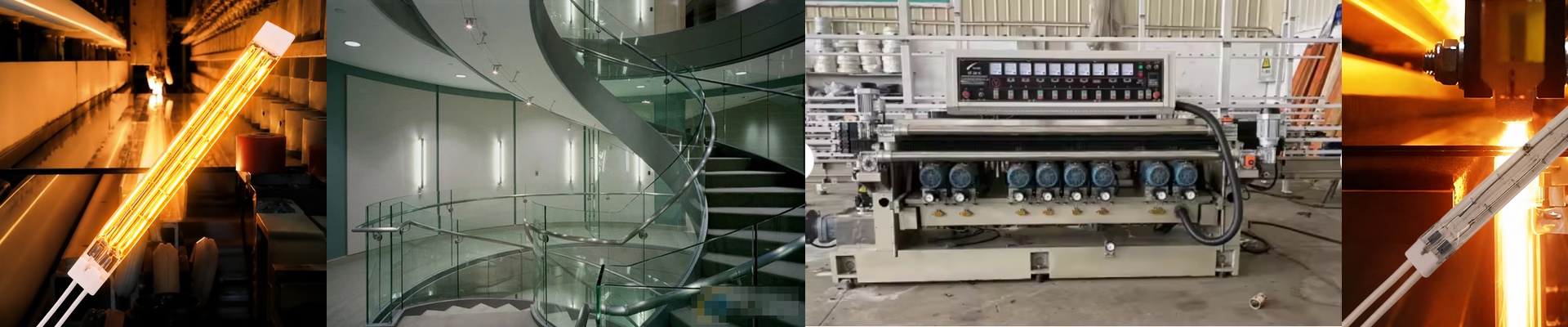
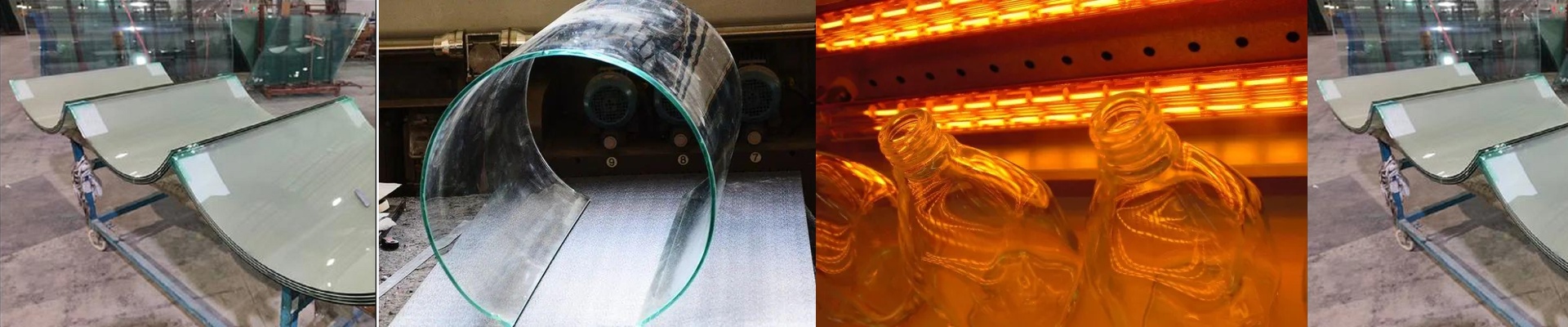
If you’re dealing with thick glass walls, you need raw heat density. That’s why we go with high-wattage quartz lamps. We specifically use halogen-filled tubes because they don’t fade or change their output as they age. You get the same heat on day 100 as you did on day one. Now, you have to match your wattage to your conveyor speed. If you speed up the belt, you need more juice to keep that thermal profile steady. But here’s the catch: all that power puts a lot of stress on your electrical cabinet. You’ll need SCR power controllers that can take the heat without frying. Just a heads-up—if your cooling fans die, those controllers will trip. Keep an eye on them.
Making it Work on the Floor
Space is always tight in tempering tunnels, so we keep these lamps compact. We also use standardized connectors. Why? Because when a lamp eventually blows, you want to swap it out in seconds, not spend an hour rewiring the whole bank. One last tip: watch out for “zebra striping.” That’s those ugly, uneven heat lines you get when lamps are too far apart. To fix it, we overlap the radiation patterns. When the heat blends together, the glass warms up evenly before it ever hits the quench tank. Simple, but it makes all the difference.