Fixing Those Pesky “Cold Spots” in Complex Glassware
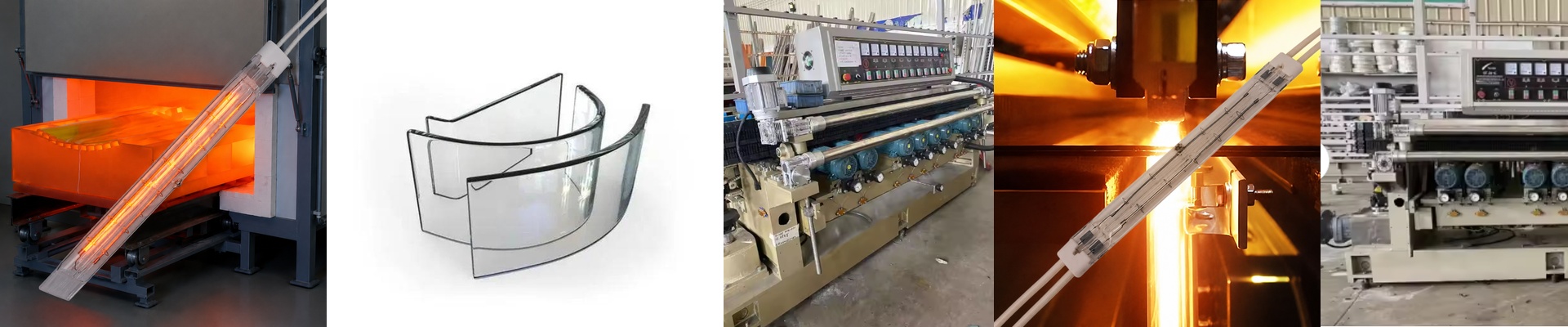
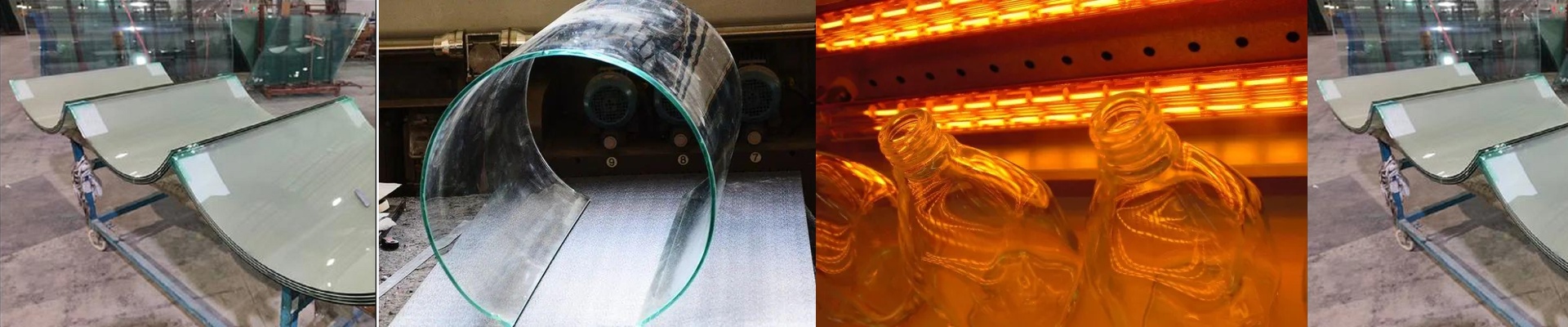
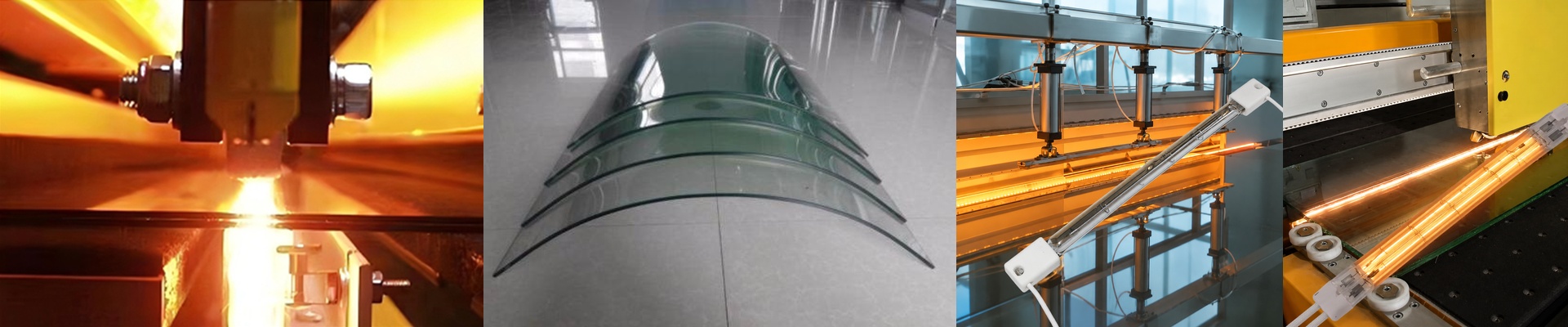
If you’ve ever dealt with glass that has weird shapes—narrow necks, flared edges, or those tricky internal chambers—you know the nightmare of “dead zones.” You put your pieces in a standard annealing kiln, everything looks fine, and then crack. Internal stress wins. It happens because those tight spots just don’t hit the softening point they need. It’s frustrating, and it kills your yield. We fix this by using targeted infrared (IR) heating arrays to make sure every single millimeter of the surface actually gets hot.
Why Air Isn’t Enough
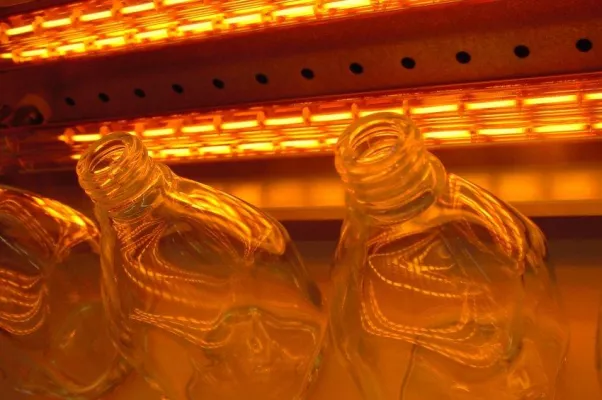
Here’s the thing: standard convection heating relies on moving air. But air is lazy. It tends to flow right past the crevices and tight corners of complex glass. That’s why we use short-wave infrared lamps. Instead of waiting for the air to warm up, these lamps send energy straight into the glass via radiation. By angling the arrays, you can basically “shoot” heat directly into the recessed areas. No more guessing. No more cold spots.
Picking the Right Gear
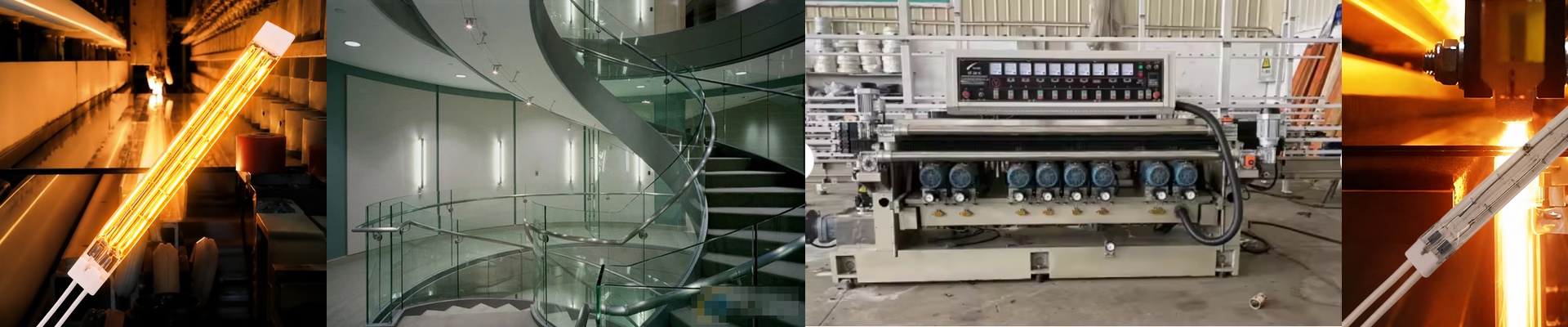
To get that punch of heat, we usually go with high-wattage quartz halogen tubes. They ramp up fast. That means you aren’t sitting around wasting electricity while the kiln idles. Depending on your power setup, we can do 230V or 400V. If you’re heating large vessels, the higher voltage is the way to go. It lets us use longer tubes that keep the heat consistent from end to end. Just a heads-up: if you run a high-density 2500W tube,**make sure your housing is vented.**If heat traps around the lamp ends, you’ll fry your sockets way sooner than you should.
Keeping Things Running
We use standard R7s or Sk15 connectors. We did this on purpose so your maintenance team can just pop a blown lamp out and slide a new one in. No need to rewire the whole rack or spend an afternoon on a simple fix. But there is one catch. These quartz envelopes are sensitive. If you touch them with your bare hands, the oils from your skin create a hot spot on the glass. Once it fires up, that spot becomes a weak point and the lamp snaps.**Always use gloves.**Or, if you’ve already touched them, give them a quick wipe with some isopropyl alcohol before you flip the switch.