Stop Your Lab Glass From Shattering: The Secret is in the Annealing
Ever had a flask just… explode? No major drop, no obvious crack, just a sudden shatter during a routine temperature shift. It’s frustrating. And usually, it happens because the glass has “frozen-in” tension. Basically, if the glass cools too fast or unevenly during manufacturing, it stays stressed. It’s like a coiled spring waiting for one tiny bump to let go. We fix this with infrared (IR) heating that stays steady within 0.1°C.
The Sweet Spot
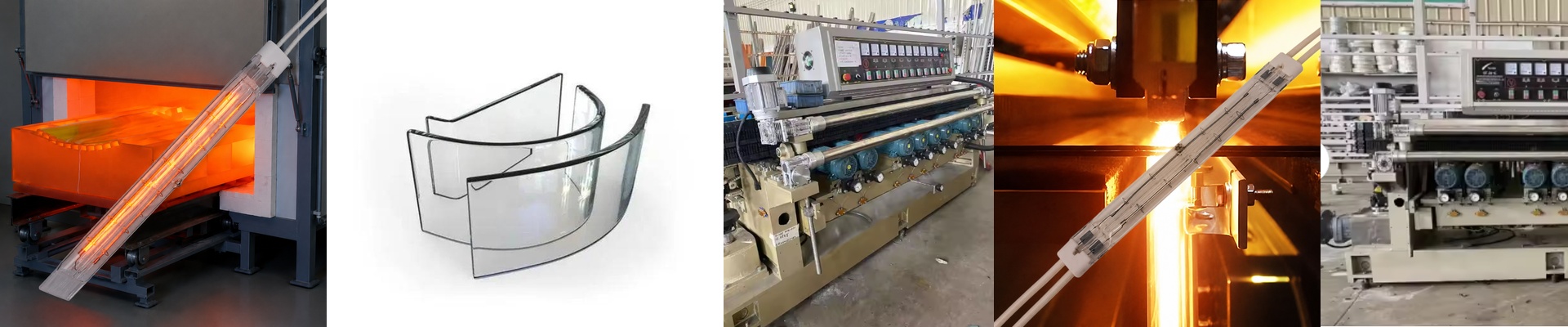
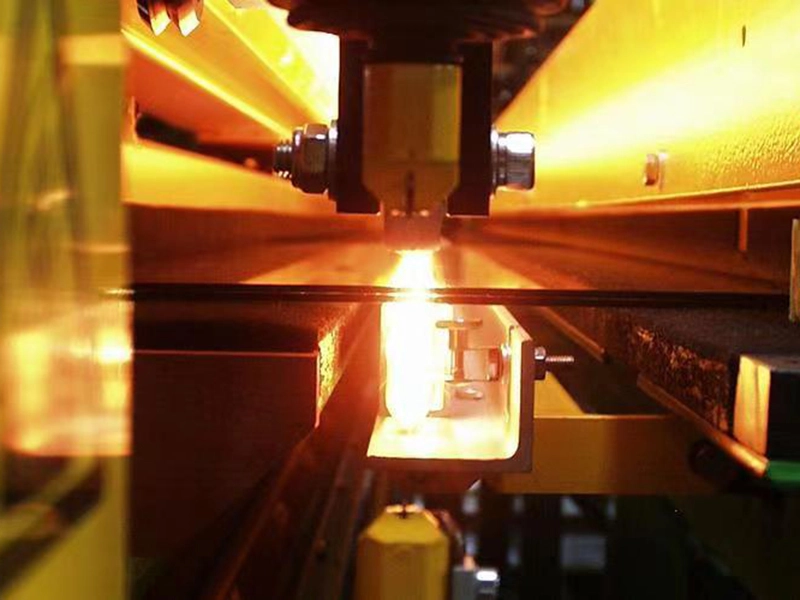
Glass is finicky. There’s this specific window—the annealing point—where the internal stress relaxes, but the glass doesn’t get so soft that it sags under its own weight. Here’s the catch: if your heater swings by even 2°C, you’re in trouble. You’ll either end up with a deformed beaker or glass that’s still stressed. We use short-wave IR elements because they don’t waste time heating the air. They go straight into the glass wall. That means the core and the surface hit the target temperature together.
Why That 0.1°C Actually Matters
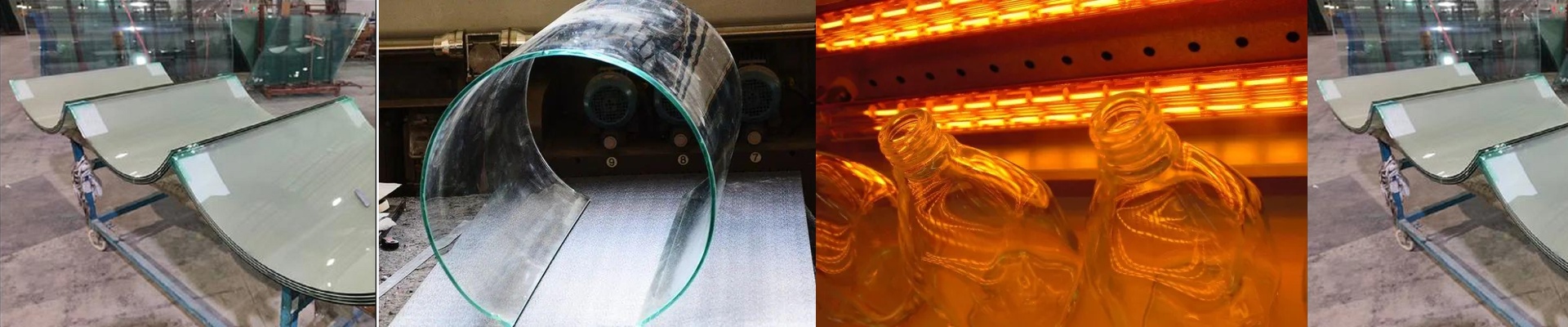
Most industrial heaters are a bit jumpy. They oscillate. When your wattage swings too much, you get “thermal gradients.” Imagine one side of your beaker is 5°C hotter than the other. You’re actually creating new stress while trying to get rid of the old stuff. To stop that, we pair our IR elements with PID controllers and high-frequency switching. It keeps the heat locked in tight.
The Real-World Stuff
Now, let’s be honest: these high-precision setups aren’t just “plug and play.” To actually hit that 0.1°C mark, you need a rock-solid power supply. You also need shielded cabling, otherwise, electrical noise will mess with your thermocouples and give you fake readings. Then there are the reflectors. If they’re slightly off, you get hot spots. You have to spend a little time calibrating the distance between the lamp and the glass. It takes a bit of patience, but it’s the only way to make sure the heat is perfectly even across the whole piece.