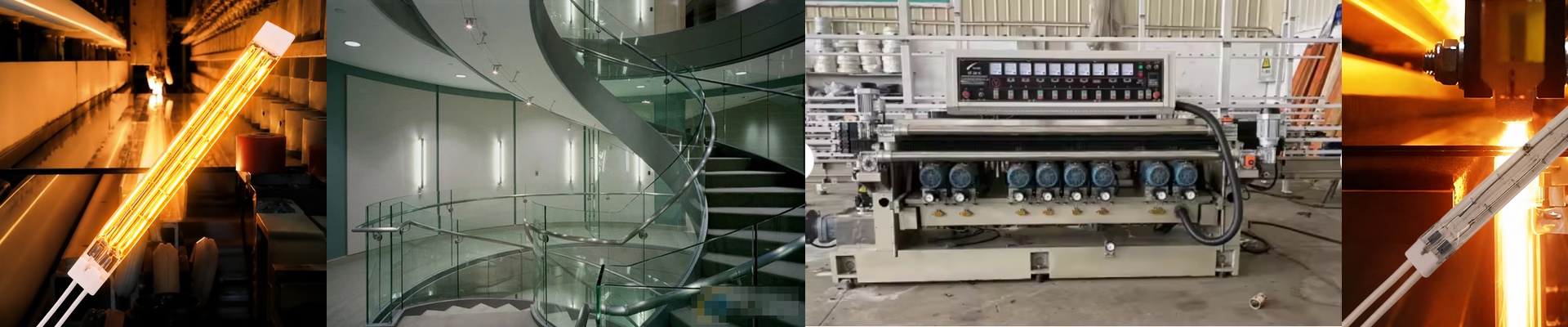
Stop Wrestling with Single IR Lamps
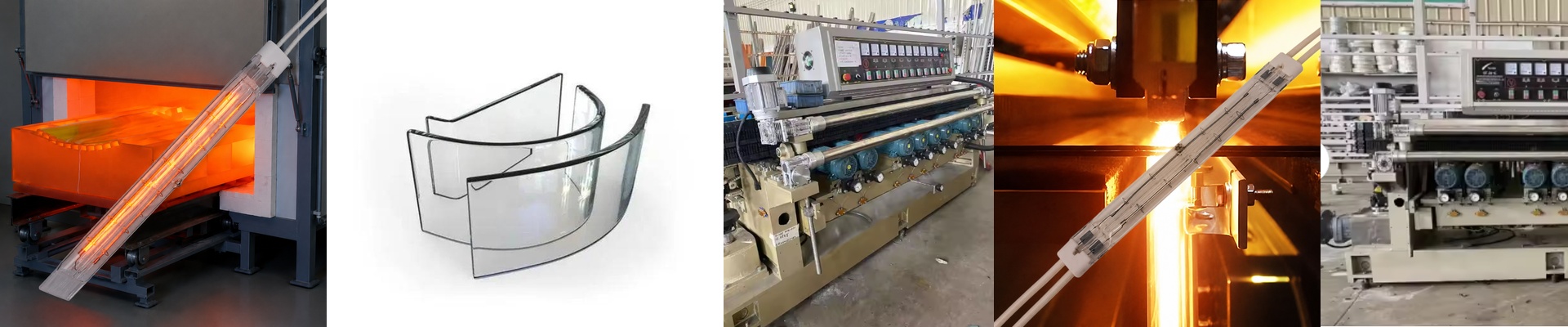
Let’s be honest: buying individual infrared lamps is a headache. You get the bulbs, but then the real work starts. Your team has to build the housings, fiddle with the reflectors, and wire the whole thing up from scratch. It’s a lot of manual labor for something that needs to be precise. We decided to fix that by building curved heating modules specifically for laser cutting support.
Why we moved to modules
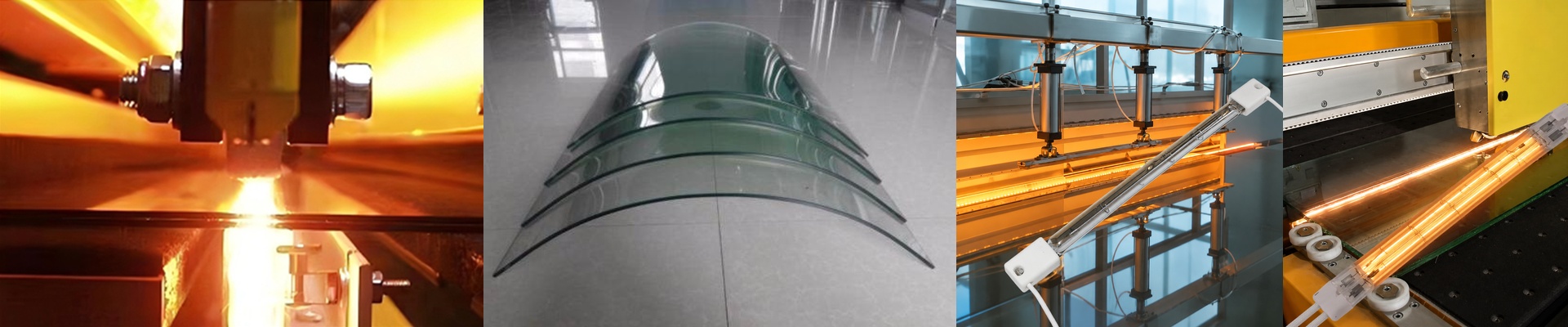
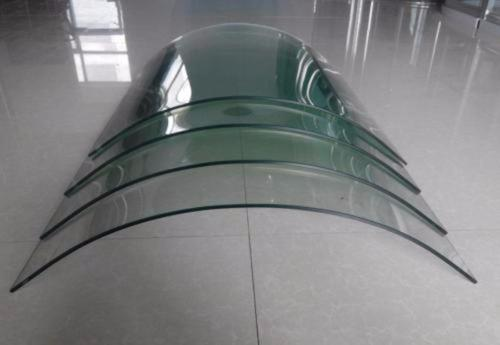
A single lamp is just a part. But a module? That’s a complete setup. When you’re supporting laser cutting, you can’t have “mostly” even heat. If one spot is hotter than the rest, your material warps. It’s frustrating and wasteful. We solve this by putting the lamps into a pre-bent, thermally optimized frame. It’s basically a “drop-in” solution. No more guessing games with alignment or dealing with those annoying hot spots that happen when a lamp is off by just a few millimeters.
The technical side (and the traps to avoid)
We build these based on whatever wattage and voltage your power supply needs. Since these have high-density IR output, they heat up fast. Which is great, because it keeps your production line moving. But here is the catch:be careful with your tolerances. This stuff puts out intense heat, and that energy doesn’t just go one way—it radiates everywhere. If your machine frame isn’t shielded or your fans are too small, you’re going to bake your own sensors. We spend a lot of time balancing the heat flux so your workpiece hits the right temperature without melting the very structure holding it up.
Less time tinkering, more time producing
Switching to a turnkey module just makes life easier on the shop floor. Instead of spending hours mounting ten different lamps and double-checking every single wire, you just bolt in one module and plug it in. Done. It takes up less space and you don’t need a specialist to come in and calibrate the focal point of every single bulb. You just get a consistent, reliable thermal profile the moment you turn it on.