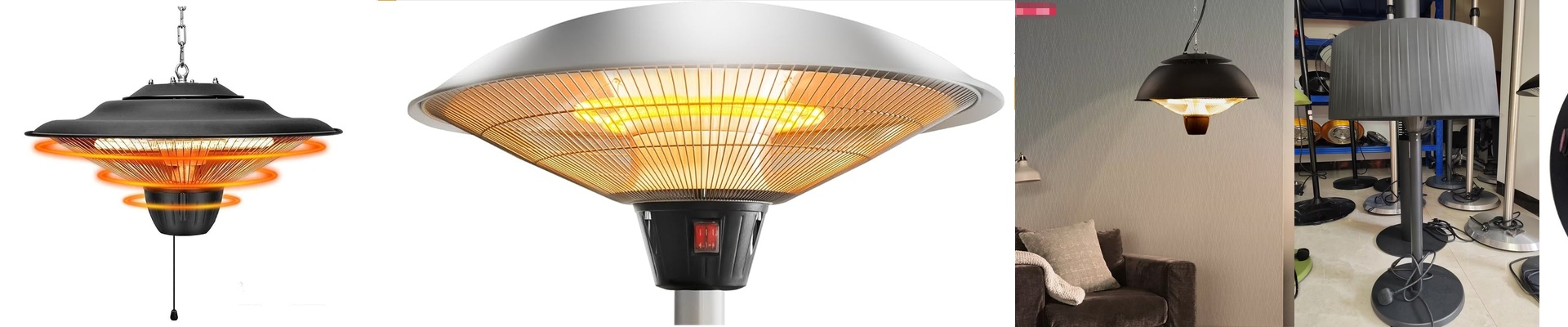
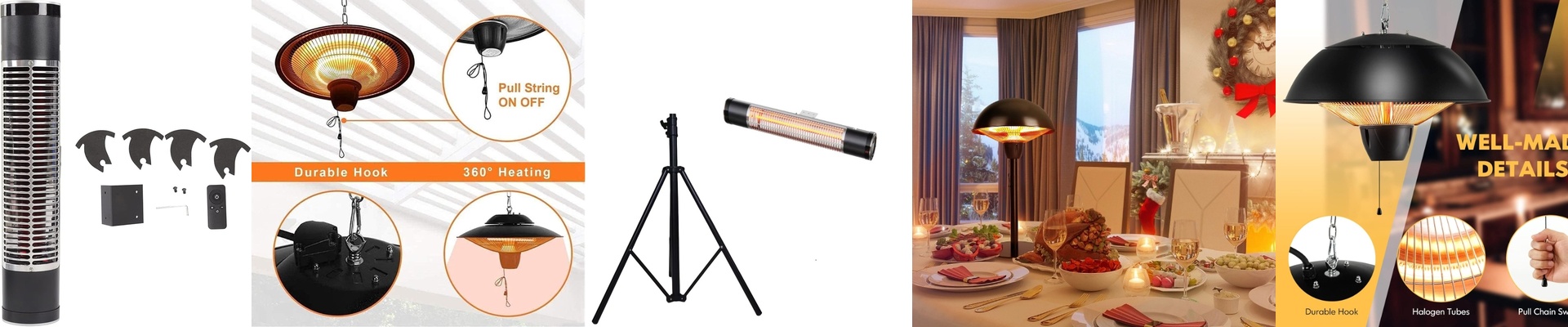

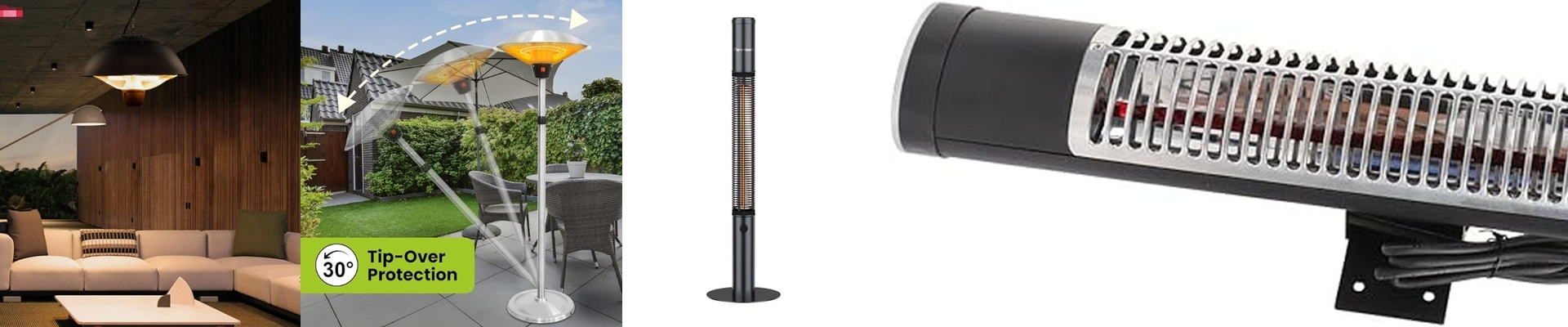

Keeping Your IP55 Table Heaters Running Without the Headache
Here is the problem with most waterproof heaters: they’re built like vaults. When you need a heater that can handle dust and water sprays (the IP55 stuff), the enclosure usually becomes a nightmare to get into. It’s great for keeping the water out, but it’s terrible when something actually breaks. We got tired of that. So, we stopped building them as one big, fixed chunk of hardware and switched to a modular infrared setup instead. Swapping parts, not the whole machine Usually, if a heating element burns out in an industrial heater, you’re looking at a total teardown. It’s a mess. We changed that. Now, you can just swap out the infrared tubes without ripping apart the whole housing. If a tube dies after five years, you don’t throw away the chassis. You just pull the module, unplug the leads, and drop in a new one. It turns a few hours of frustration into a couple of minutes of work. The battle between sealing and fixing To hit that IP55 rating, most companies use heavy gaskets or permanent seals. The problem? You basically destroy them the first time you try to open the unit for a repair. We went with replaceable compression seals. It means you can open the unit up, do your maintenance, and seal it back up to the original spec. No fancy factory tools required—just a basic toolkit and a few minutes of your time. The trade-off Now, look, modular designs aren’t magic. They have more connection points than a hard-wired system. Because of that, you have to make sure the terminals are torqued just right. If they’re loose, you get hot spots. We use high-temp connectors to help out, but you still need to double-check that your wire gauge can actually handle the current the infrared array is pulling. Thinking long-term At the end of the day, buying one modular tube is way cheaper than sourcing a whole new waterproof assembly. Plus, the footprint stays the same, and you don’t have to mess with the main power wiring. It lets you treat the heating element like a consumable part—sort of like a lightbulb—rather than something that’s permanently welded into the machine.