IP65 Protection: It All Starts Where the Wire Meets the World
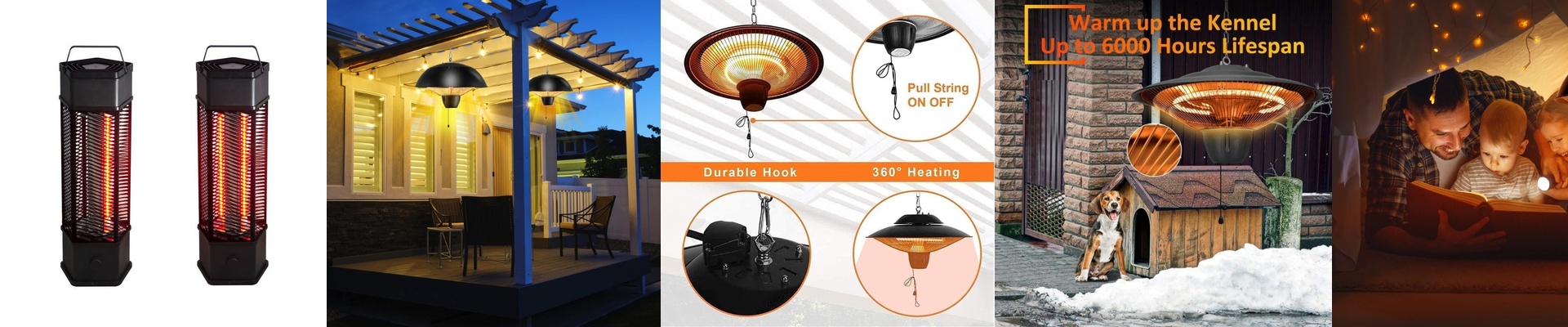
We build IP65-rated infrared heaters for places that get seriously roughed up. Think high humidity, constant washdowns, and floors thick with dust. The truth is, the weak link is almost always where the power lead exits the unit. Standard seals just can’t handle the constant heating and cooling. They crack. And once moisture gets in, you’re on a fast track to tracking, then shorting. So, we handle the lead sealing at the factory. This isn’t a fix you do on site. It’s a controlled, precise process that locks the terminal block, internal wiring, and quartz tube into one solid, sealed path. The payoff? There’s simply no open route for water or grime, even when the outer jacket is blazing hot.
Let’s Get Practical: Power, Voltage, and the Physical Details
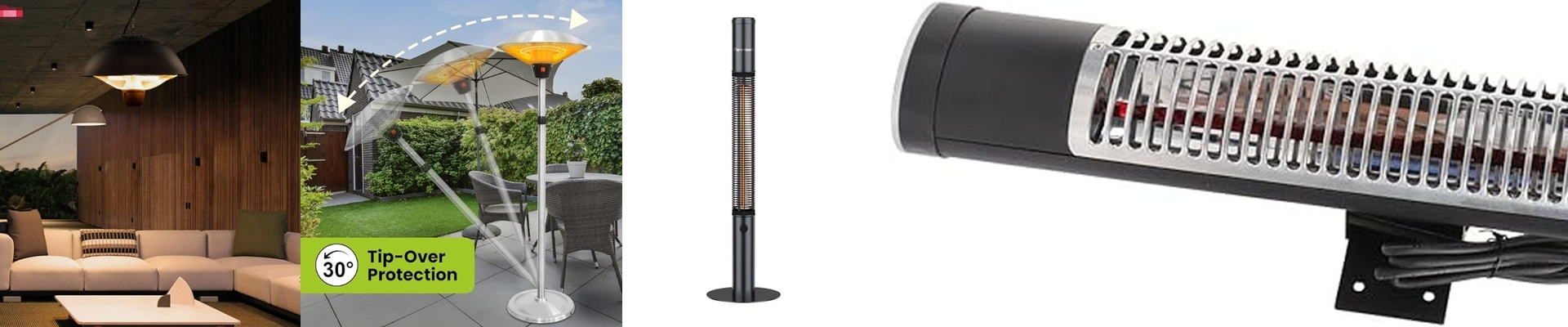
We design these heaters to pack predictable heat into a small space. For instance, our high-voltage options, like 400V, let you run higher wattage without needing oversized cables. That cuts down on wasted energy and keeps your control panel from turning into a sprawl of wires. Tube length and diameter are all about hitting that sweet spot for heat focus. Take a 300mm tube, for example. It gives you a specific heat spread at a set distance. Match the heater’s shape to the part you’re heating, and you get consistent, even results without hot spots. Just a heads-up: more wattage means a faster warm-up and a faster cooldown. You lose a bit of thermal inertia, so your control system needs to be quick on its feet.
The Stuff It’s Built From: Quartz, Coatings, and the Right Plug
Quartz is at the heart of it all. It’s brilliant at transmitting infrared heat and can handle sudden temperature shifts without breaking. We add a reflective coating to push all that energy forward, so you’re not wasting heat and you get the same performance cycle after cycle. And the connectors? They’re not an afterthought. We use specific types like R7s and Sk15 because they hold tight and make a solid, reliable connection. A loose connection causes arcing. Arcing leads to oxidation, which increases resistance, which generates more heat right at the joint. It’s a downward spiral that ends in failure. Our lead sealing is built to live in the heat, day in and day out. It won’t get brittle and crack, so the electrical connection stays rock solid, even after thousands of heating cycles.
Why This Matters When It’s All on the Line
In a production setting—pre-heating molds, drying coatings, keeping a process temperature—you need a heater that acts like a reliable part, not a constant source of headaches. The combination of IP65 waterproofing and our tough lead sealing means far fewer shutdowns caused by moisture. You get steady output, simple wiring, and a unit you can clean without worrying you’re going to fry the electrical connections. Just match the voltage and wattage to your needs, pick the right tube length for the space, and the heater just does its job. It runs hot, dry, and dependable. Now, a reality check: IP65 isn’t magic. It means protection against jets of water, not being fully submerged. But as long as the seal stays intact, you can be sure the failures will stay out of your circuit.