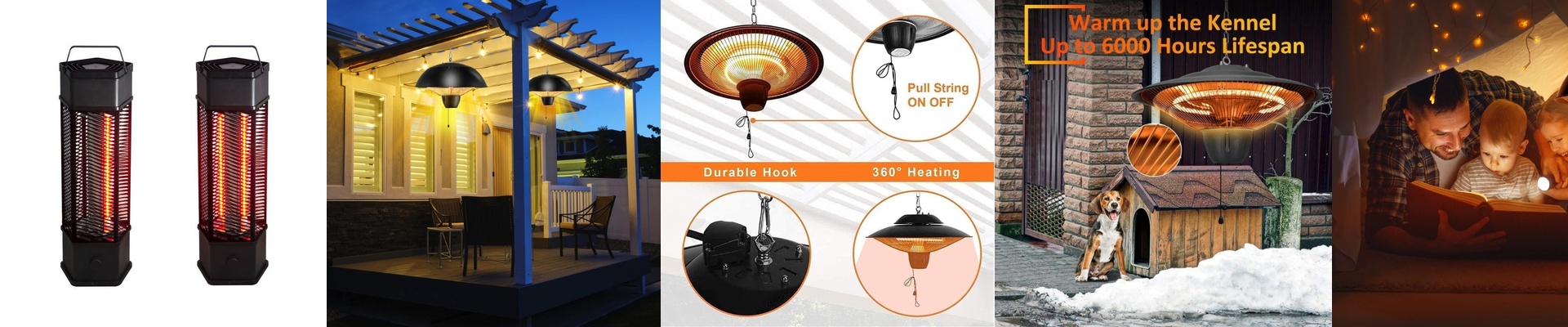
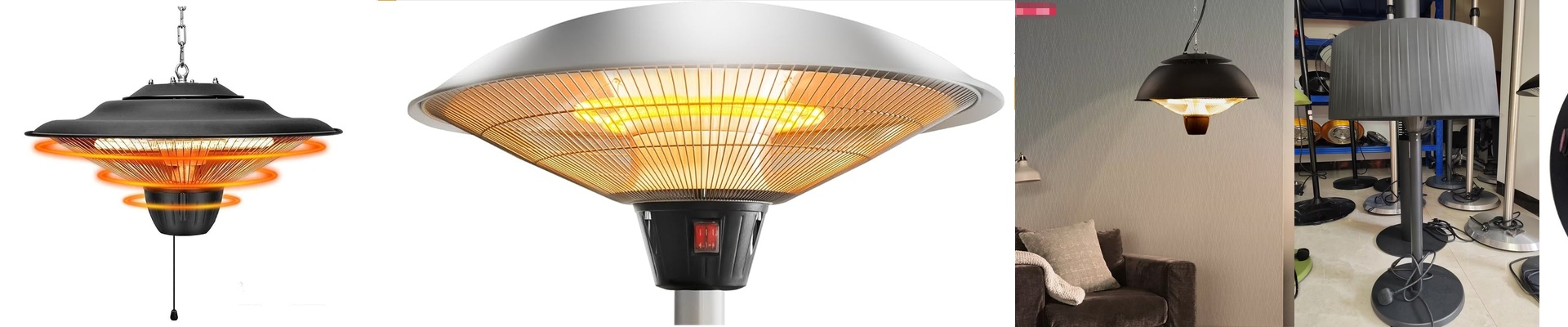
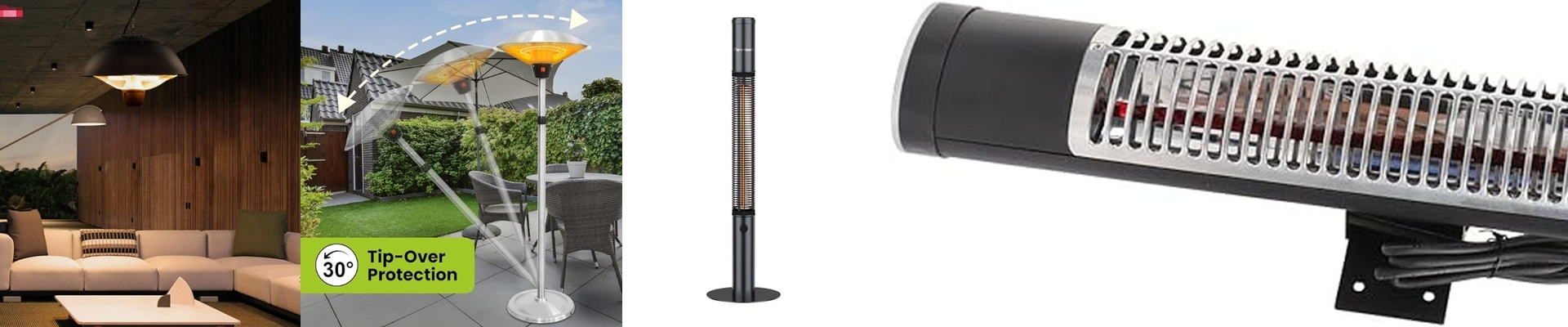
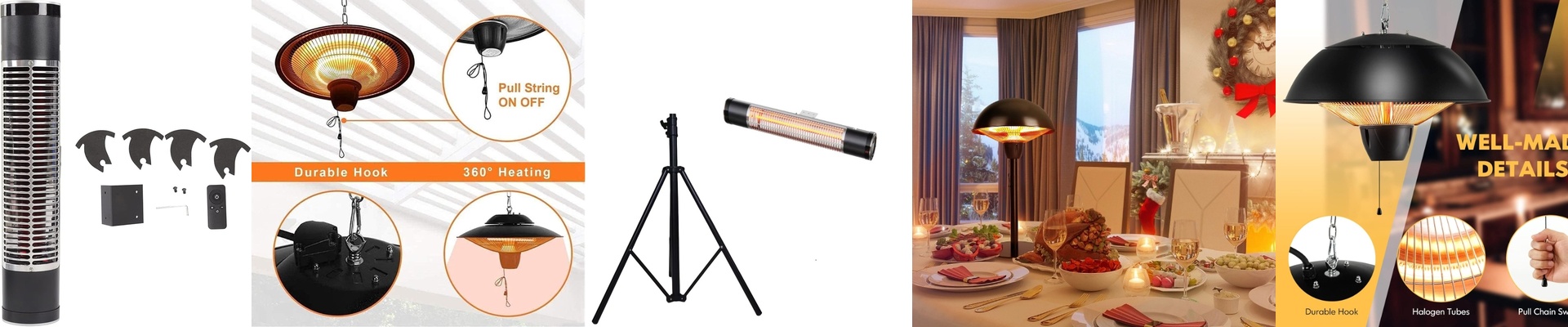
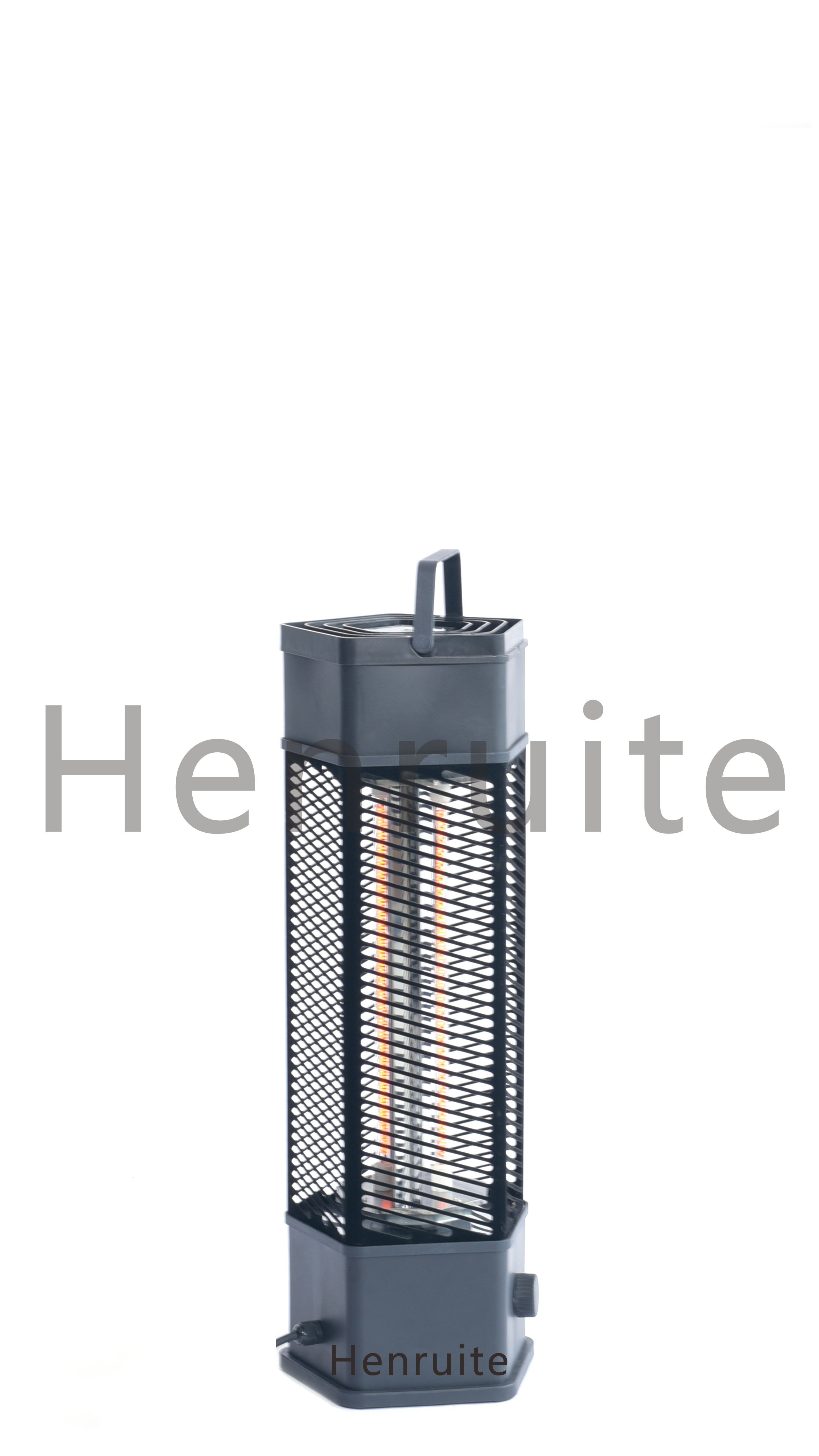
On a cold factory floor, that first hour sets the tone for the whole shift. If the air stays bitter, hands stiffen, focus goes, and safety starts slipping. We built our industrial electric infrared heater to flip that first hour—clean, immediate warmth the second you hit the switch.
What matters under the hood
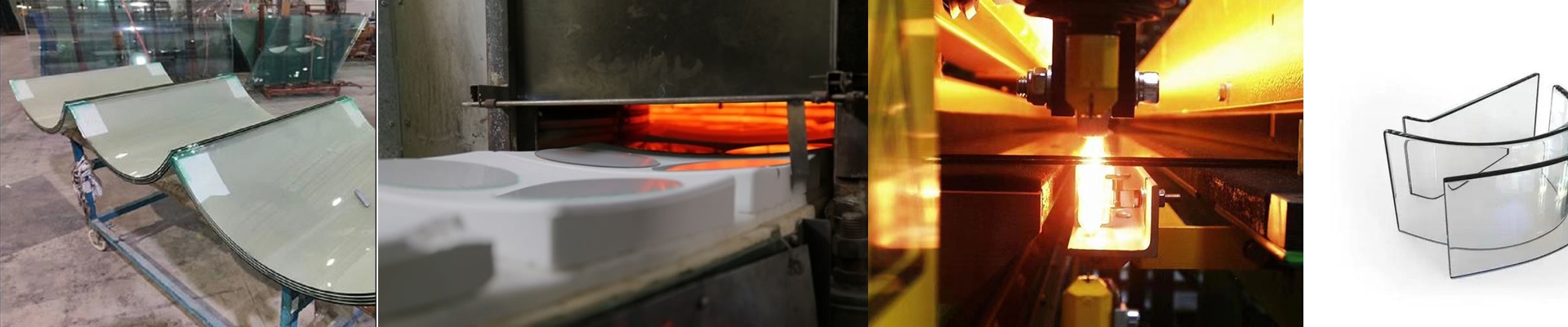
The unit leans on short-wave infrared quartz elements, so you’re getting radiant heat, not just warmed air. Energy converts straight into infrared warmth, and you feel it within seconds—no blower, no long warm-up. A high-output carbon-fiber heating core keeps temperature swings under control, cycle after cycle, and the tough quartz tube takes thermal shock in stride while protecting the element. It runs on standard industrial voltages, pulls predictable current, and uses a heavy-duty terminal block with proper strain relief. The connections stay tight even when vibration is part of the job.
Why this approach fits real-world work
In workshops and warehouses, speed is the name of the game. Infrared warmth hits people and objects directly, so the crew doesn’t have to wait for the room to “feel right.” Fewer warm-up pauses. Smoother workflow. A steady pace when the deadline is breathing down your neck. Because the heat is directional, you focus comfort where it counts and avoid wasting energy on empty corners. Add a thermostat and you get repeatable comfort, shift after shift.
The practical details you can’t skip
This is a radiant heater, not a forced-air furnace. It warms what it can see. Position it to hit workstations and walkways, and keep obstacles out of the beam. It needs proper hardwiring matched to the voltage and load, and it should be mounted at the recommended height for even coverage. If the space is damp or dusty, pair it with an IP-rated enclosure. And always follow local clearance rules for heat sources near combustibles.