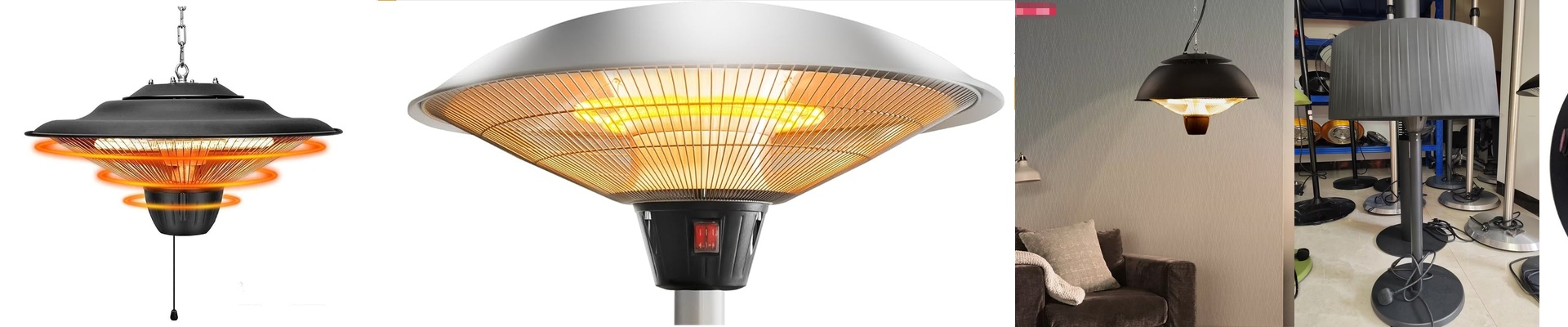
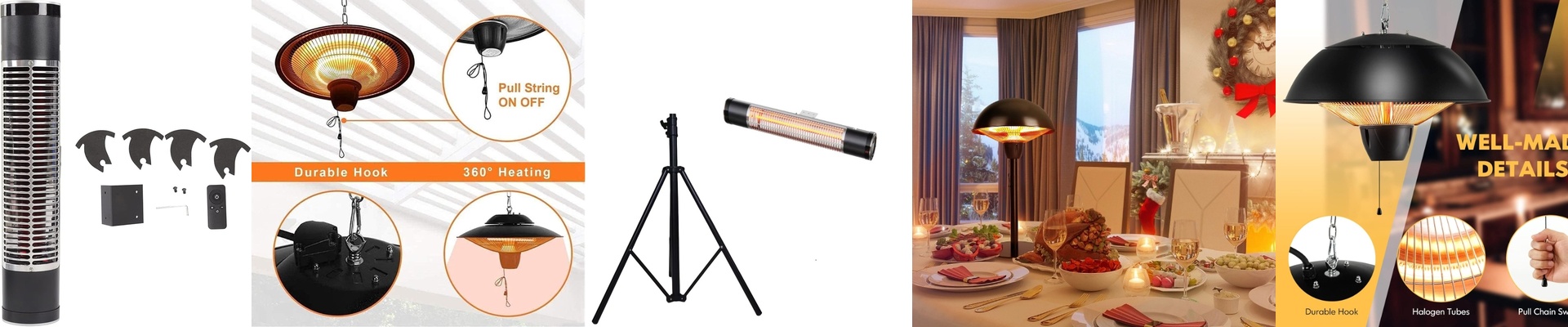
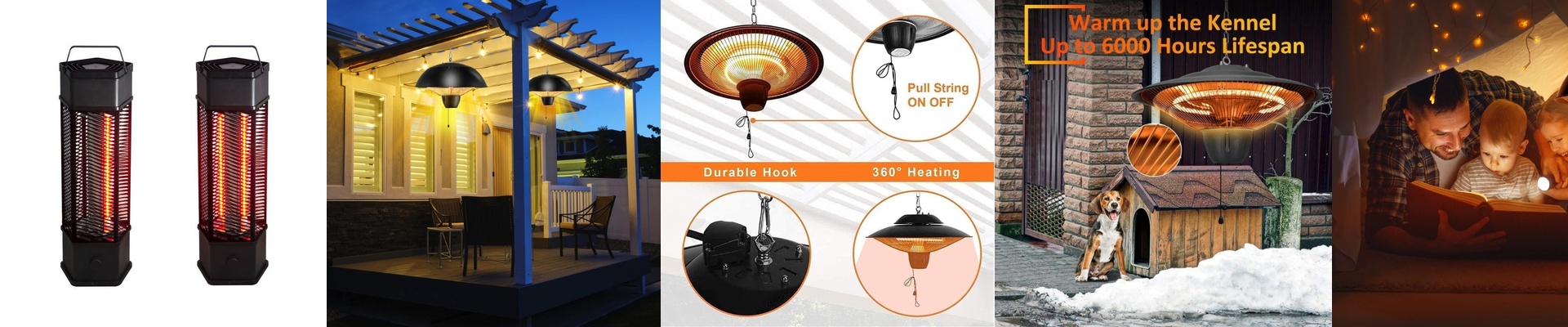
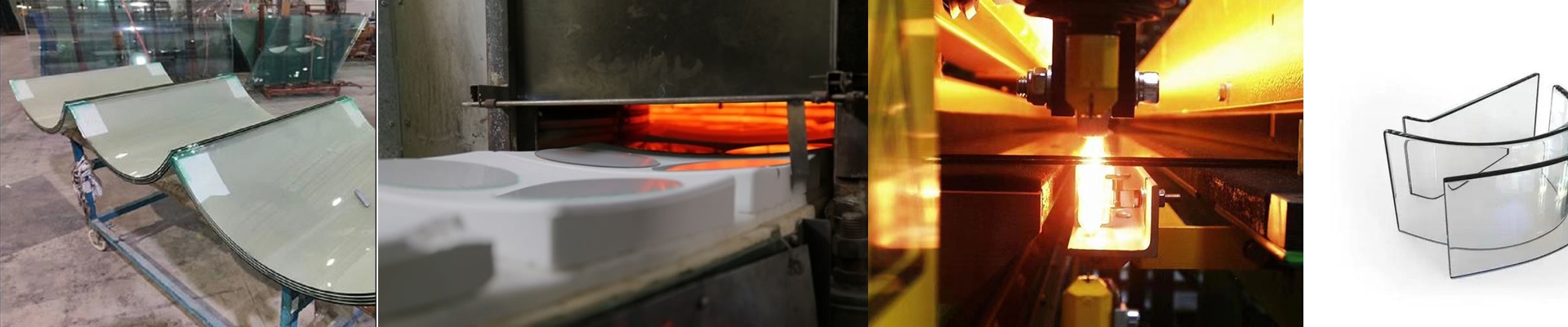
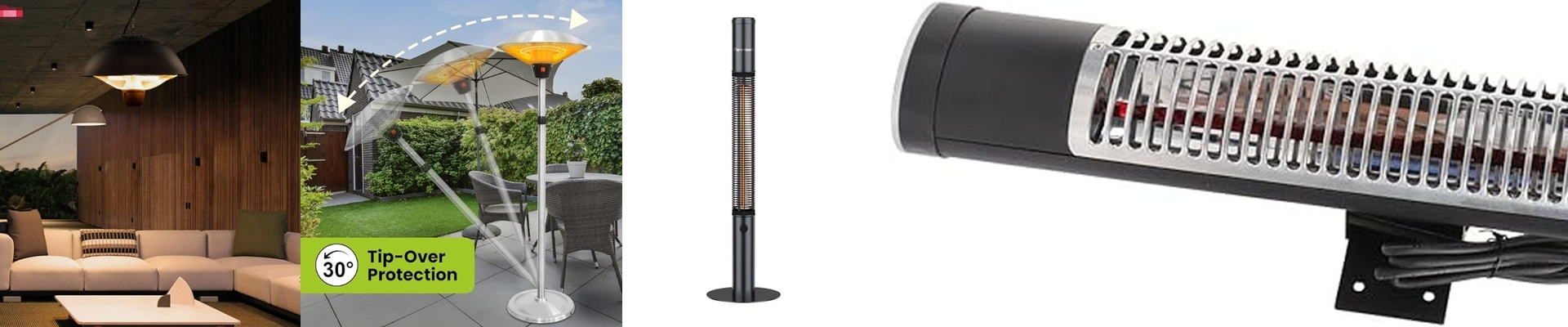
On a cold night, you don’t notice the air temperature first. You notice the lack of warmth on your skin. A standard heater warms the air, but air gets unpredictable the second a door swings open. A radiant panel heater flips the script by delivering warmth the way the sun does—directly to people, furniture, and surfaces. The real question is how cleanly that energy gets delivered.
What matters under the hood
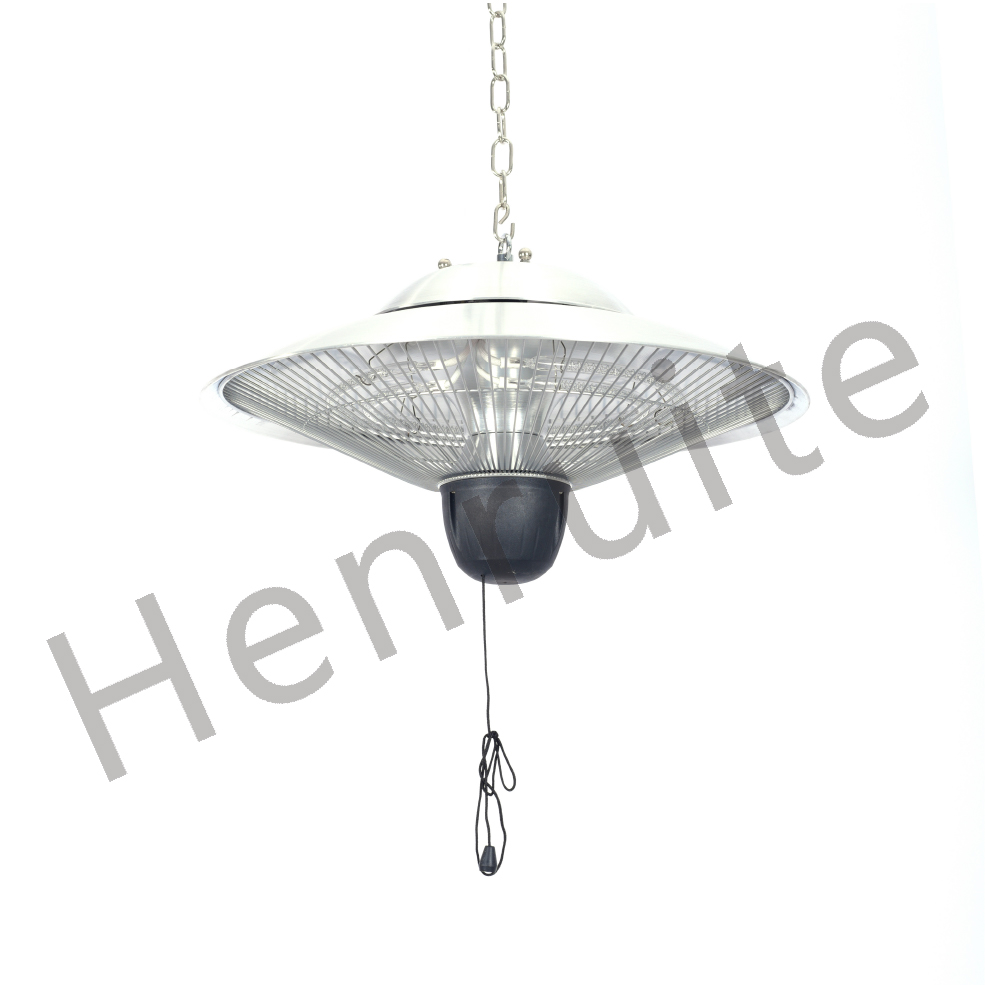
We build the core around a carbon fiber element inside a sealed quartz tube. That choice is simple: it heats fast and stays stable when things get hot. In practice, that design gives us a 99.8% conversion of electricity into effective infrared radiation. You feel the radiant heat the instant the unit is switched on, with very little energy wasted to convection. The output is focused, so you heat the zone you’re actually using—not the whole ceiling.
Why this approach fits
In spaces where comfort has to be immediate—outdoor seating, a workshop, or a drafty corner—radiant warmth hits the real issue: cold surfaces and radiant loss. Because the heat travels line-of-sight, warmth lands where you sit, and the surrounding air stays calm. That means lower running costs compared with heating empty air, and fewer drafts that make you feel colder than the thermometer says.
The practical details
Radiant heat works best when the heater has a clear shot at the people and objects you want to warm. Dust, moisture, and airflow can dull performance, so keep the face clean and dry. Because radiant panels deliver directional warmth, placement matters more than it does with air heaters. Mount or position them to cover the seating zone without obstruction. For indoor use, confirm the unit has thermostat control and tip-over protection. Outdoors, verify the IP rating matches your exposure.