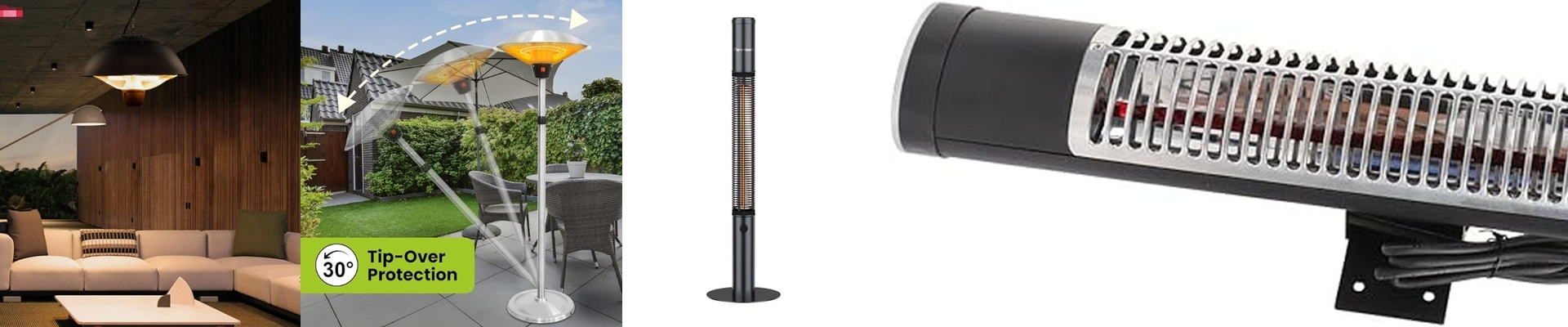
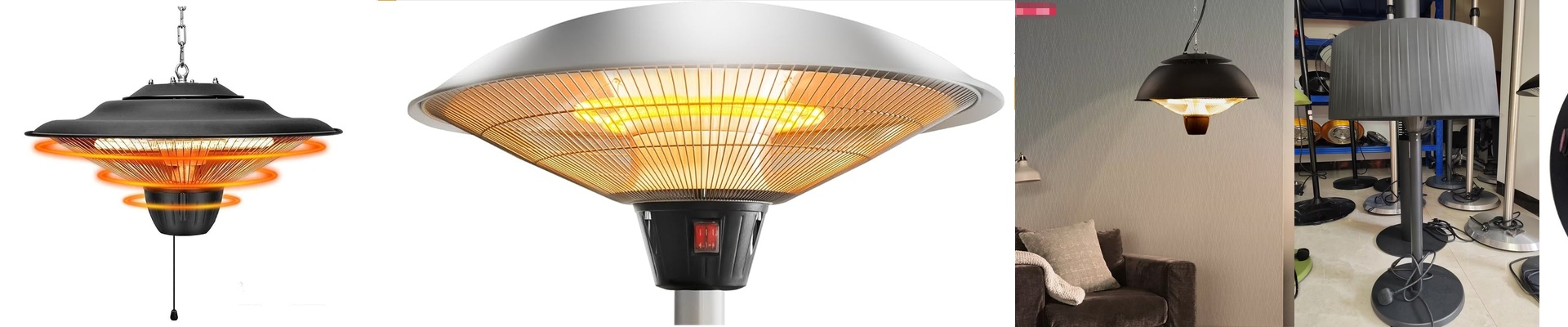
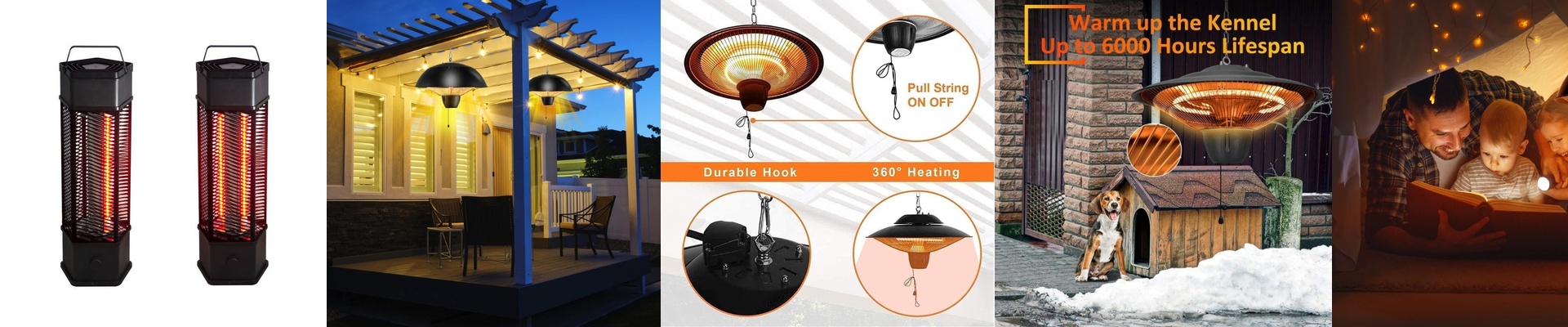
A cold attic isn’t just uncomfortable—it drags down work, stresses materials, and can derail a schedule before you even notice. When the air turns frigid, hands stiffen, focus slips, and even basic tasks drag on. That’s why teams across global sites need a heating solution that shows up ready to plug in, runs without fuss, and clears compliance without creating extra paperwork.
What matters, technically
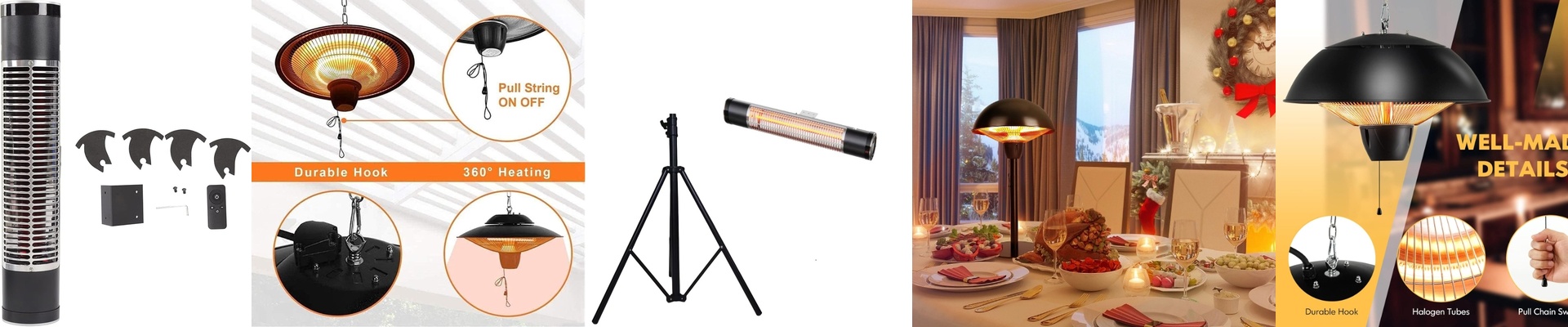
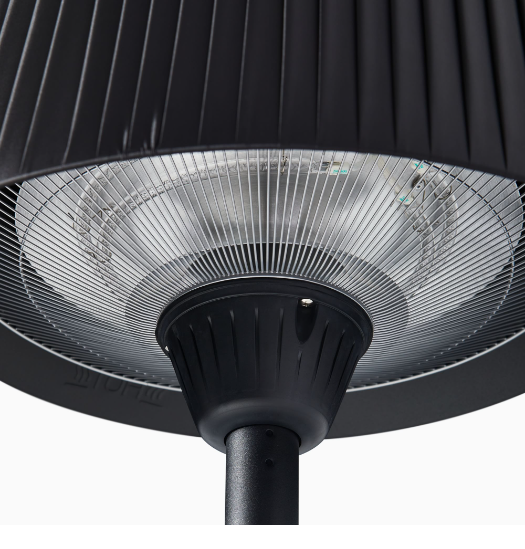
Our CE-certified infrared attic heaters deliver instant radiant warmth through a quartz tube element that heats in seconds. No fan noise. Minimal air movement—exactly what you want in spaces where dust control and stable conditions matter. They run on standard 220–240V, and they’re built for deployment worldwide. Safety is baked in: overheat cut-off, tip-over protection, and a sealed design that supports IP ratings for dusty or uneven environments. You feel the heat immediately, right where you need it, without waiting for the room air to catch up.
Why this fits the job
Global procurement teams lean on these units because they meet one repeatable spec across countries. CE marking means the design has been assessed against established safety requirements, so you can specify the same heater for facilities from Europe to Asia to the Americas and cut down on engineering churn. In attics, warehouses, workshops, and storage areas, infrared warmth targets people and objects directly. That helps keep comfort steady and productivity consistent, even when the ambient temperature drops. Because you’re warming the task zone instead of the whole building volume, this focused heat can also help trim overall energy use.
What you need to account for
Plan your clearances—keep the heater at least 0.5 meters from combustible materials, and follow local wiring rules for a dedicated circuit. These are designed for indoor and protected areas. If you’re looking at damp outdoor spots, you’ll need weatherproof housing or a model rated for that exposure. Match output to the space. A 1,500W unit covers small to medium attics; larger areas will need multiple heaters or a higher-wattage layout.