Step into an art gallery, and you feel it right away—still air, stable temperature, nothing disturbing the quiet. In spaces that hold priceless canvases, delicate artifacts, and temperature-sensitive exhibits, forced-air heating is a gamble. It dries the air, stirs up drafts, and pushes dust around—conditions that age a collection faster than you’d think. The practical fix is low-wattage infrared heating, designed to warm people and objects directly, without messing with the environment.
What matters under the hood
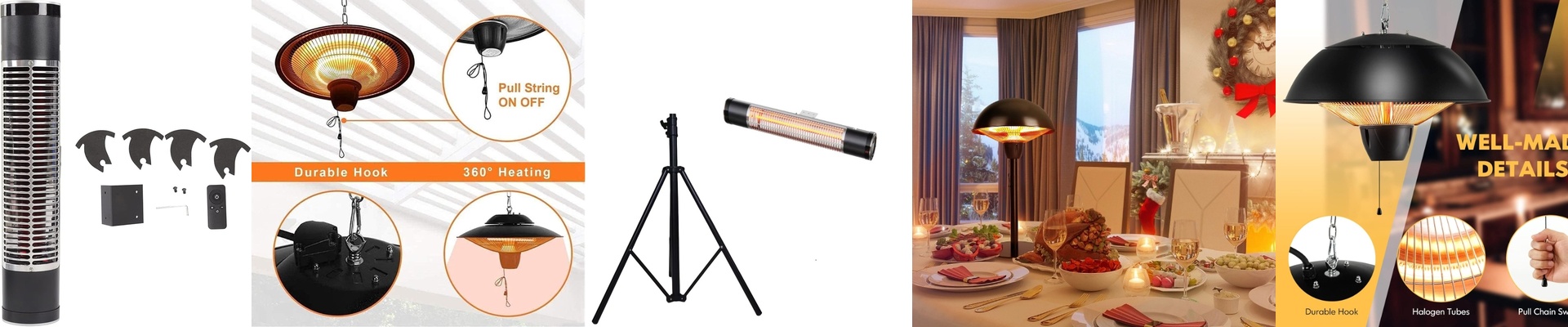
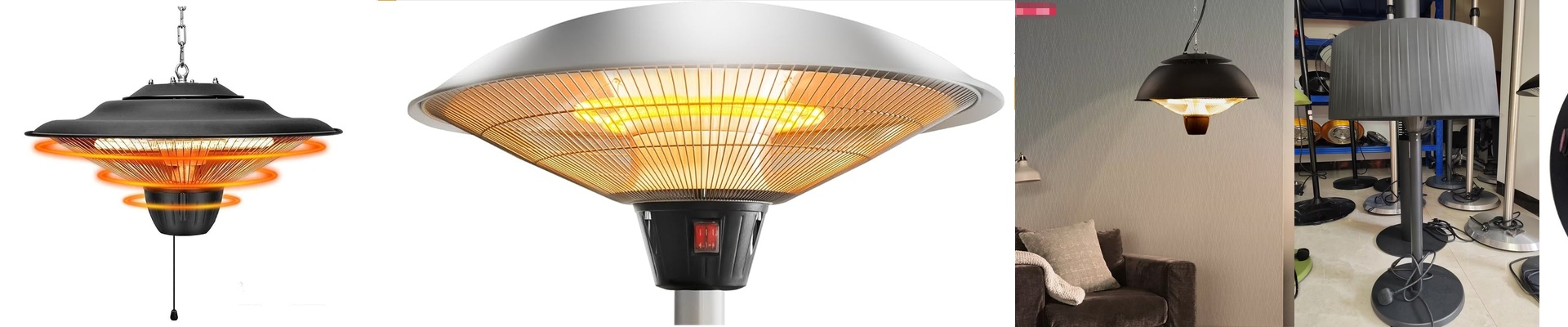
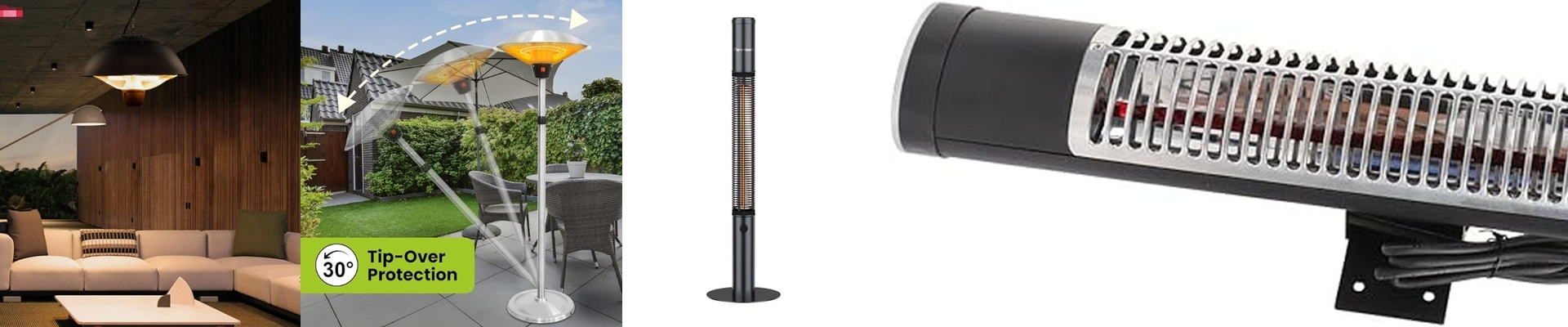
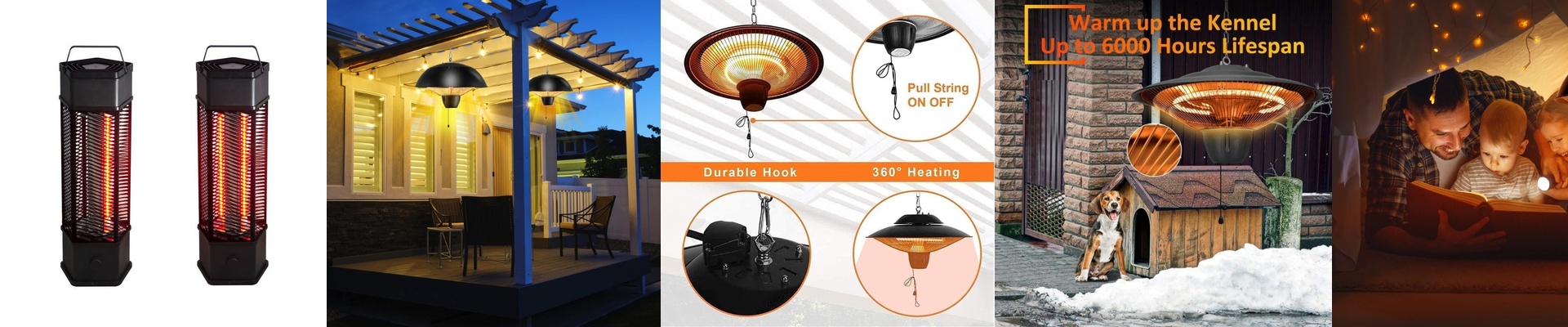
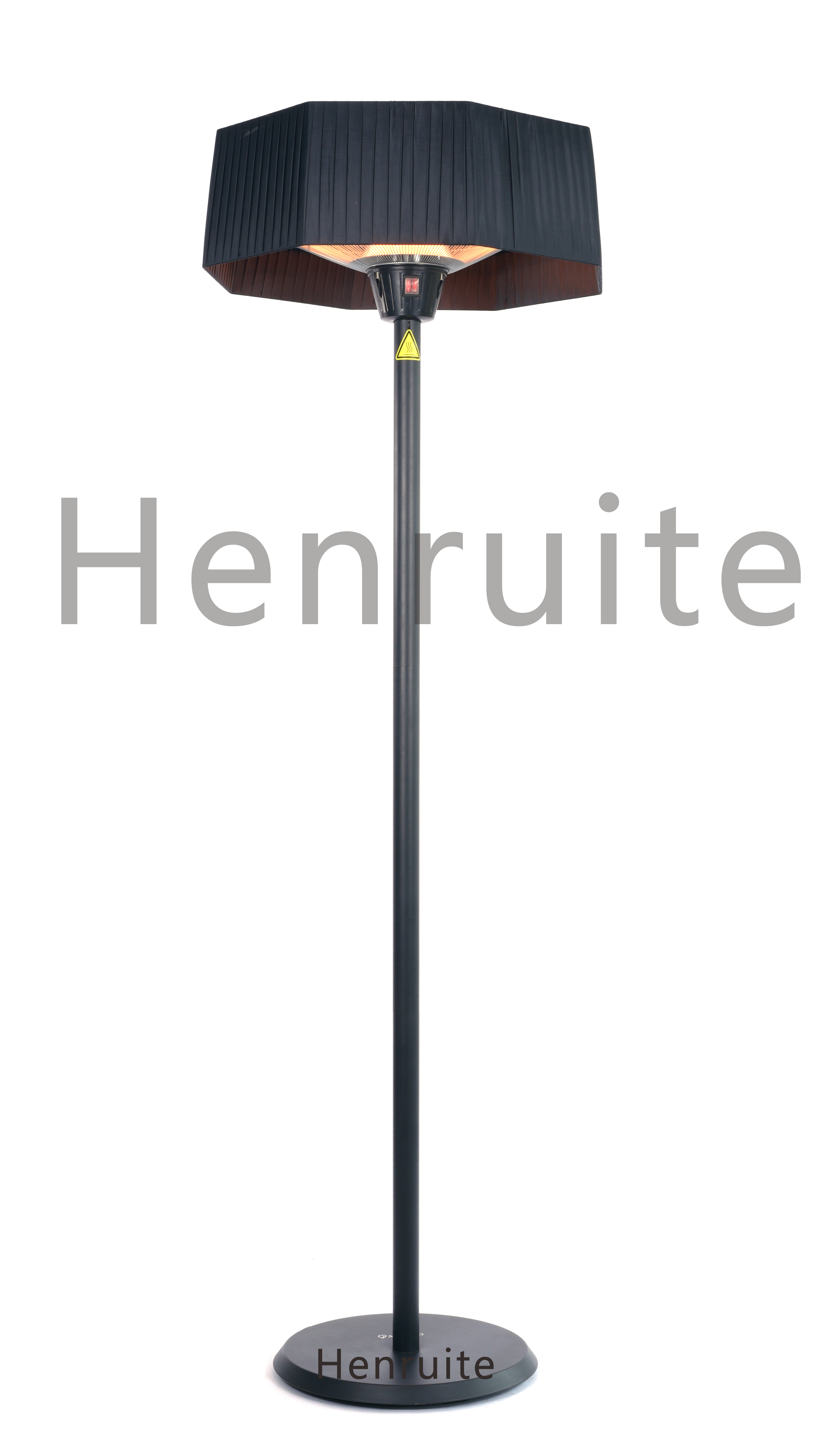
Low-wattage infrared heaters rely on radiant heat, not convection. Warmth travels in a straight line and lands on surfaces and occupants. We build these units around carbon fiber elements and quartz tubes that deliver clean, dry infrared warmth, typically pulling 300–800 watts. That modest draw keeps circuit loads light, trims energy use, and makes zoning easy—one heater for an alcove, another for a reading table, and no wasted heat in empty corners. A built-in thermostat holds the setpoint steady, so you avoid the swings that stress sensitive materials.
Why this works in galleries and museums
Galleries and museums need heat that protects, not threatens. Infrared warmth bypasses the air, so there’s no convective circulation to carry particulates or moisture. Visitors get even, draft-free comfort, and the collection gets consistent surface temperatures. With low wattage, you can tailor coverage to specific zones—no overheating near windows, no cold spots by doorways. Energy use stays sensible, and the operation is quiet enough to keep the space exactly as hushed as it should be.
The details that make the difference
Infrared heating is directional, so placement matters. Aim the beam where people gather and where exhibits need gentle buffering, keeping the path clear of obstructions. For permanent installs, hardwiring gives you a clean, stable connection. Plug-in units are fine for temporary displays, as long as the outlet is on a suitable circuit. Infrared heat doesn’t dry the air the way forced-air systems do, but you still need to keep relative humidity within conservation guidelines. Pair the heater with a humidistat or dedicated environmental controls for complete protection.