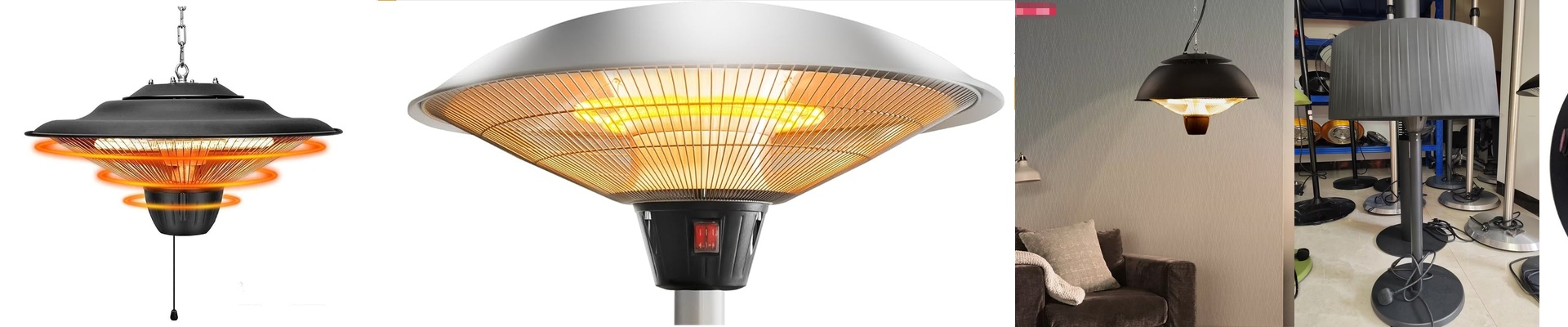
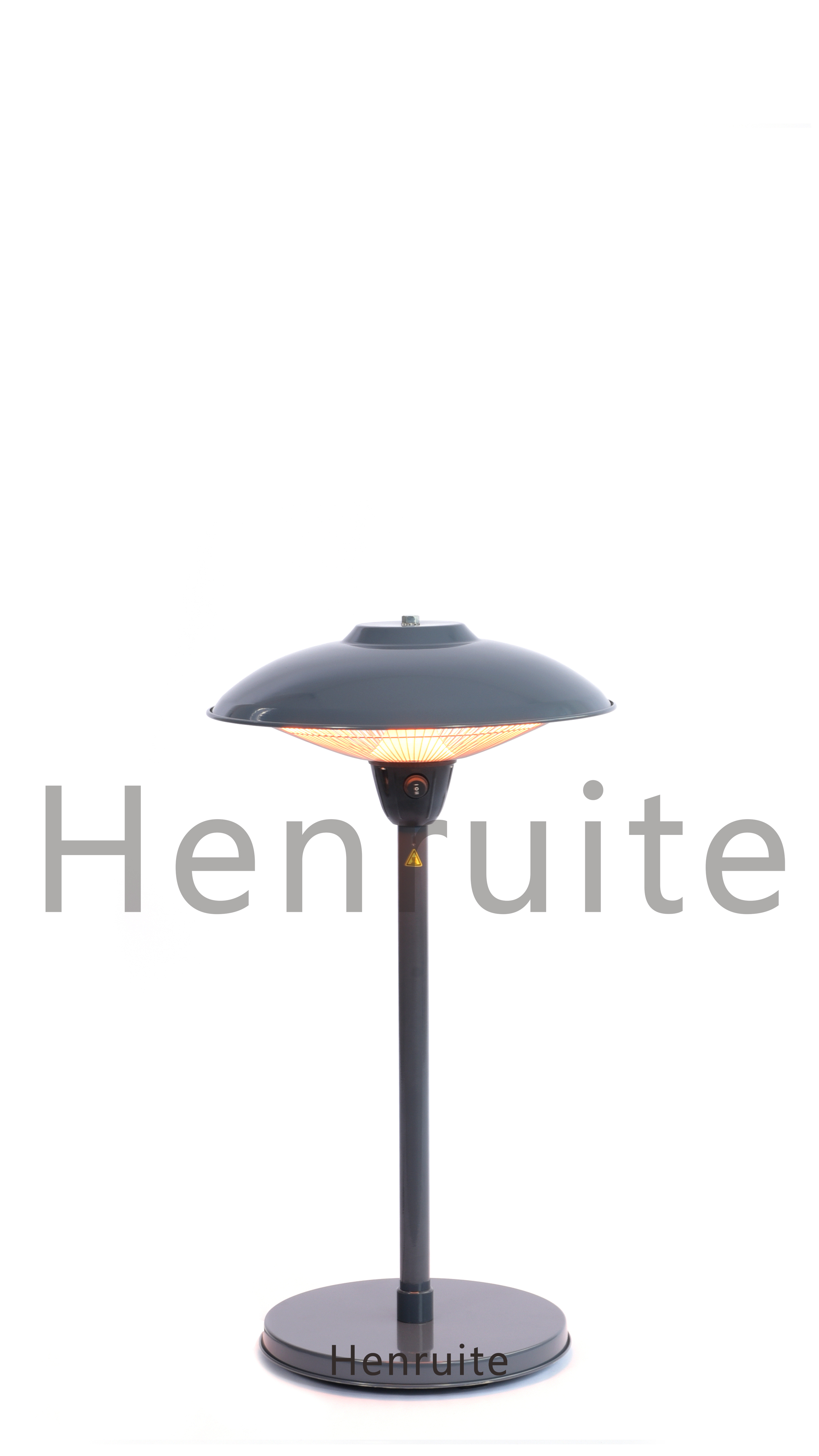
The second your solar array goes quiet at dusk, you feel it. That’s when off-grid living gets real. Without a solid heating plan, the living room turns damp and still, and the comfort you had during the day just vanishes. Infrared heaters, paired with a solar PV setup, are a practical way to stay warm without leaning on the grid.
What matters, technically
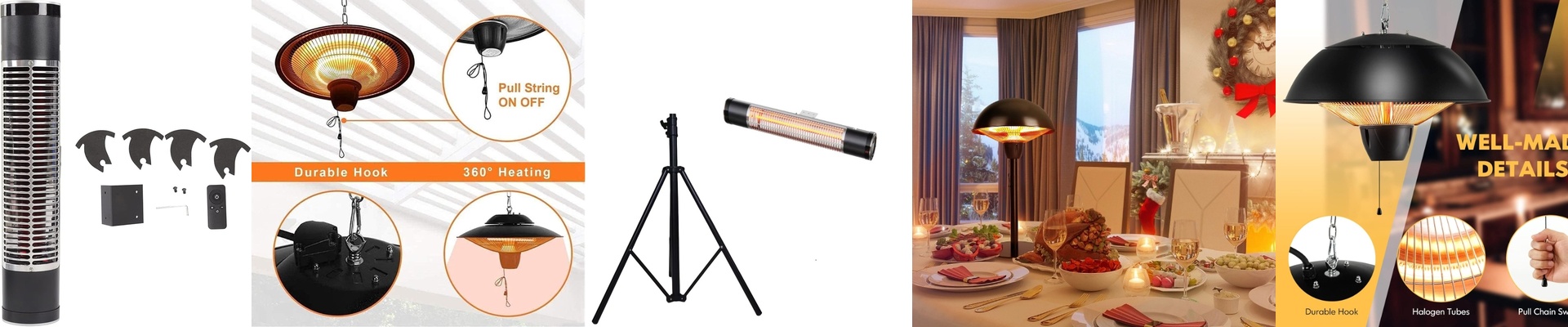
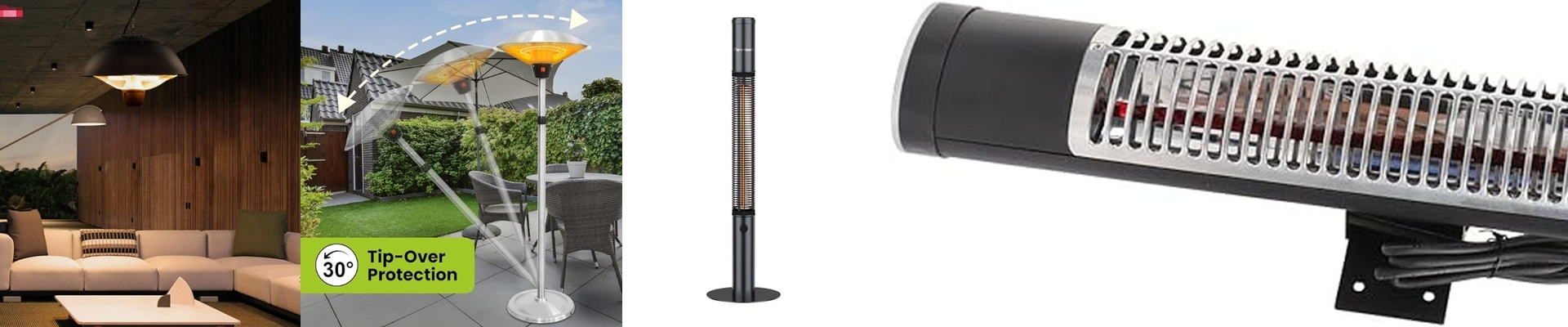
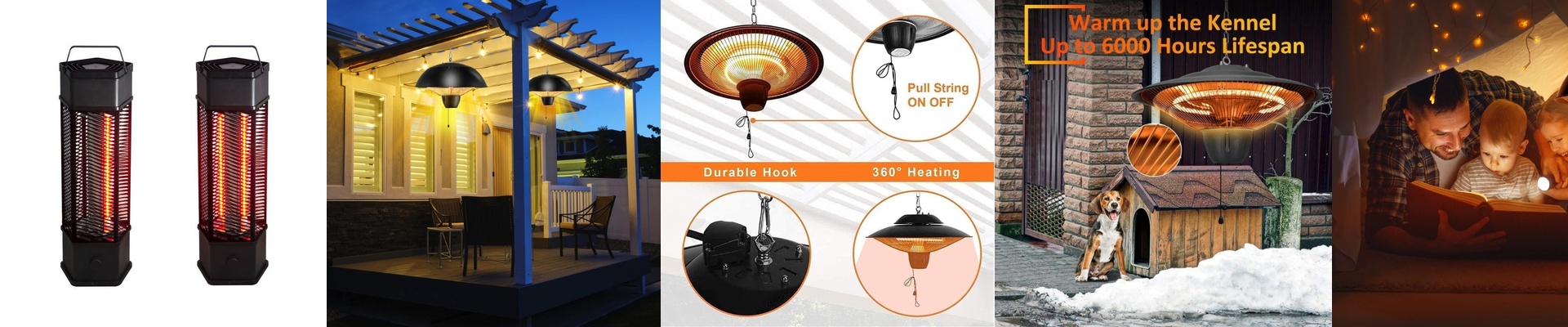
Infrared warmth is radiant—it heats people and surfaces directly, not the air. For the living room, we usually lean on electric infrared heaters with carbon fiber or quartz elements, typically in 400–1500 W models. They run on standard 120/230 V circuits, so they plug in cleanly. Many units come with a built-in thermostat and tip-over protection, and some are rated with an IP rating for protection against drafts and light moisture.
Why it works here
Solar PV makes power when the sun’s up, but winter evenings ask for heat when it’s dark. An infrared heater concentrates comfort right where you sit, so you feel warmth fast—even if the room air is cooler. That direct delivery means you’re heating the people, not the whole house. In an off-grid setup, that focus keeps daily energy use predictable, which helps you size batteries and inverters to the real load, not a guess.
Things to know
Energy self-sufficiency comes down to matching the heater to your system. A 1500 W heater draws about 12.5 A at 120 V, so you need wiring and a circuit that can handle the load, plus an inverter properly sized for inductive starts. Also, infrared heats surfaces and objects, so you feel the benefit most when you’re in direct line of sight. Plan for coverage, not just peak wattage. And keep the heater clear of furniture and curtains.