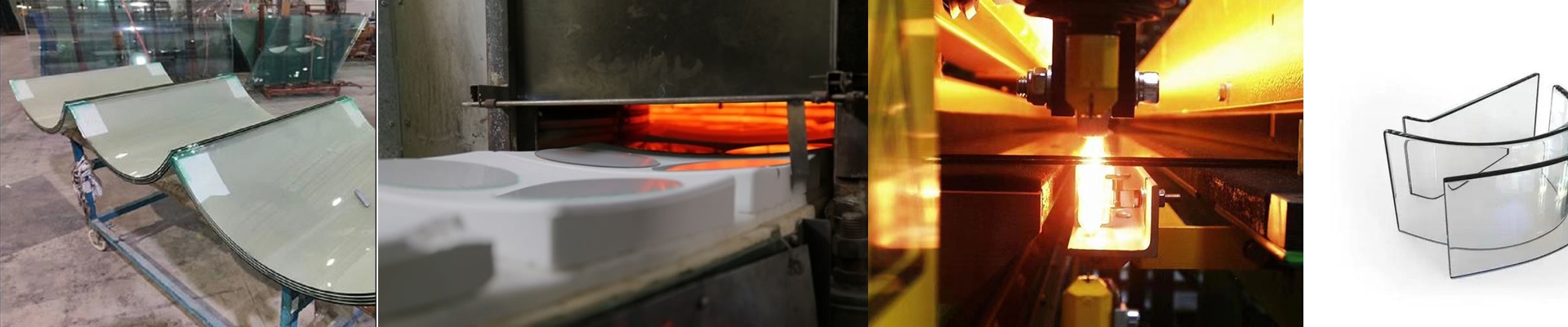
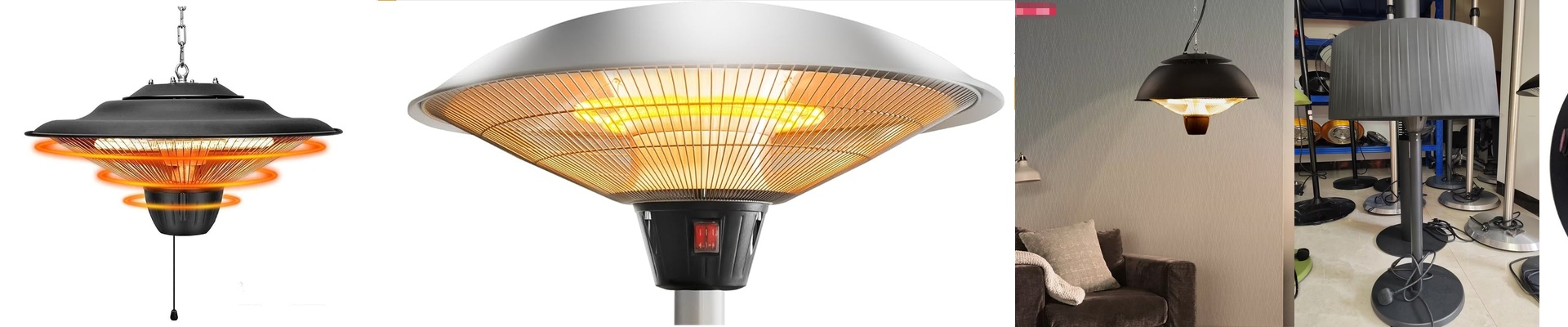
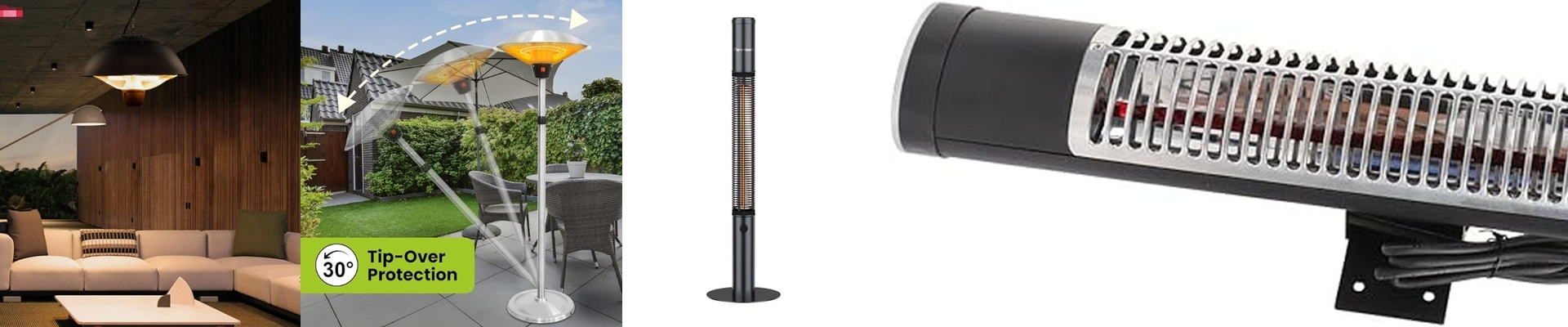
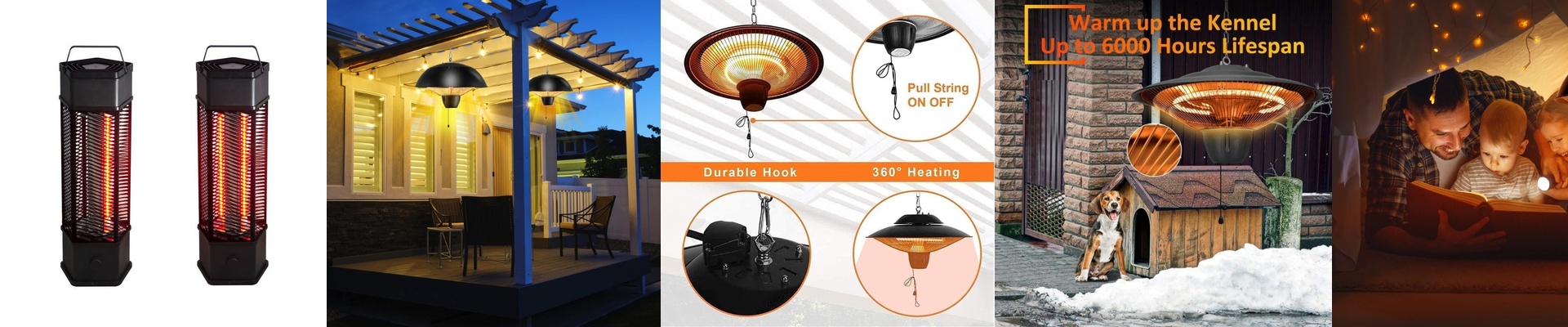
Why Most Outdoor Heaters Fail (And How We Fixed It)
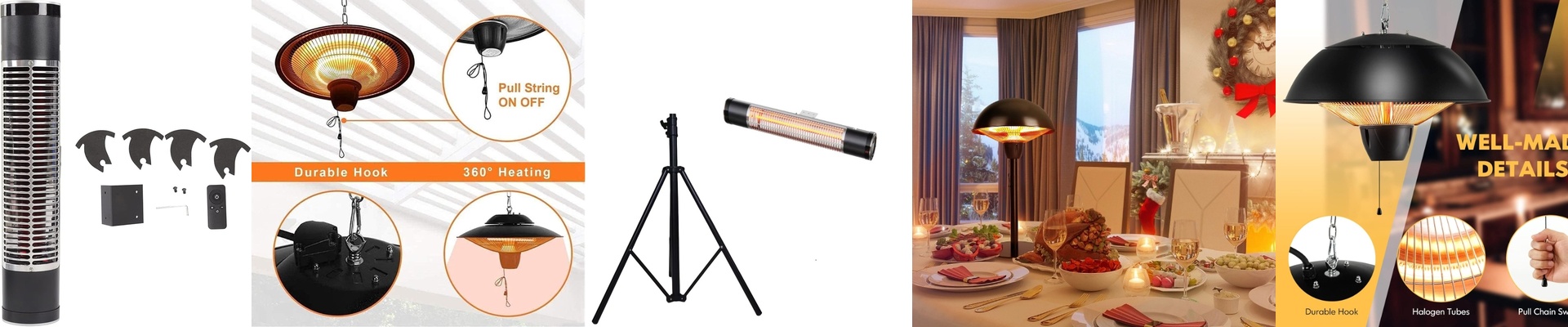
Here is the problem with most outdoor heaters: they try to heat the air. But if you’re on a breezy patio or in a drafty hallway, that warm air just floats away the second it’s created. You’re basically paying to heat the neighborhood. We do things differently. We use short-wave infrared technology. Instead of chasing the air, we send heat straight to the people. It’s like standing in a patch of sunlight on a cold day. You feel it on your skin instantly, and it doesn’t matter if the wind is howling. Power and Weather-proofing If you want a freezing deck to feel cozy in seconds, you need raw power. We packed our units with high-density elements that hit their peak temperature almost the moment you flip the switch. But since these live in bars and patios, they have to be tough. Rain happens. Spills happen. We seal every electrical connection and the reflector housing tight. Without that shielding, a bit of moisture hitting a red-hot element can cause a short circuit or just crack the hardware. Not a great look for a Tuesday night rush. The Secret is in the Reflection To get that heat where it actually belongs, we use polished aluminum or gold-plated reflectors. This keeps the heat beaming downward toward your guests instead of bleeding backward into the wall or mounting bracket. We also wrap the elements in quartz glass. This keeps the filament safe from the elements so it doesn’t burn out prematurely. The result? A concentrated beam of heat that actually works. Getting It Set Up We made these as drop-in replacements, so they should fit right into your existing outdoor mounts. The wiring is simple, which is a lifesaver when you’re trying to get a commercial space ready for opening night. Just a heads-up on the power: these lamps pull a lot of current. Make sure your breakers and cables can handle the load. There is nothing worse than tripping the power in the middle of a winter freeze because the circuit was overloaded. Also, think about your spacing. If you crowd them, you’ll get “hotspots” where people are sweating. Too far apart? You get those annoying cold gaps. Find that sweet spot, and your guests will stay happy all night.