Stop Losing Tables to the Cold
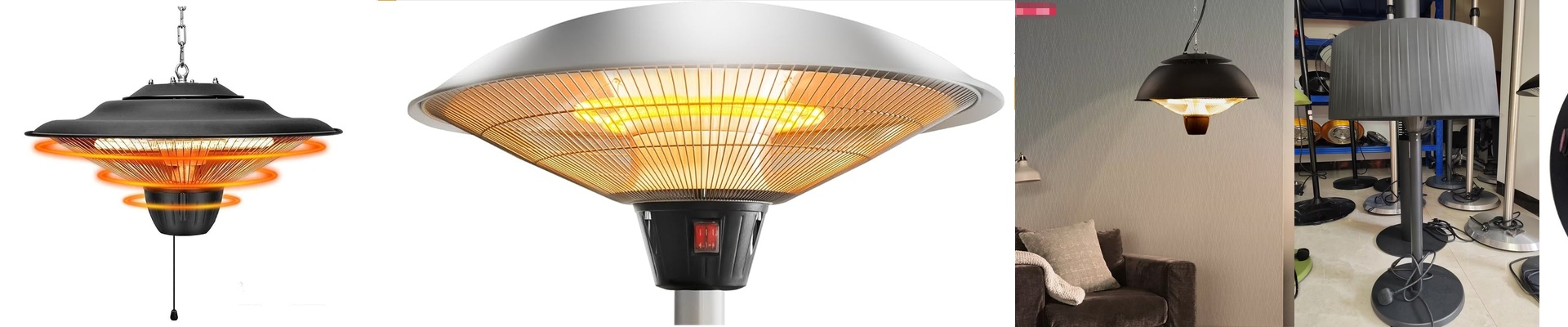
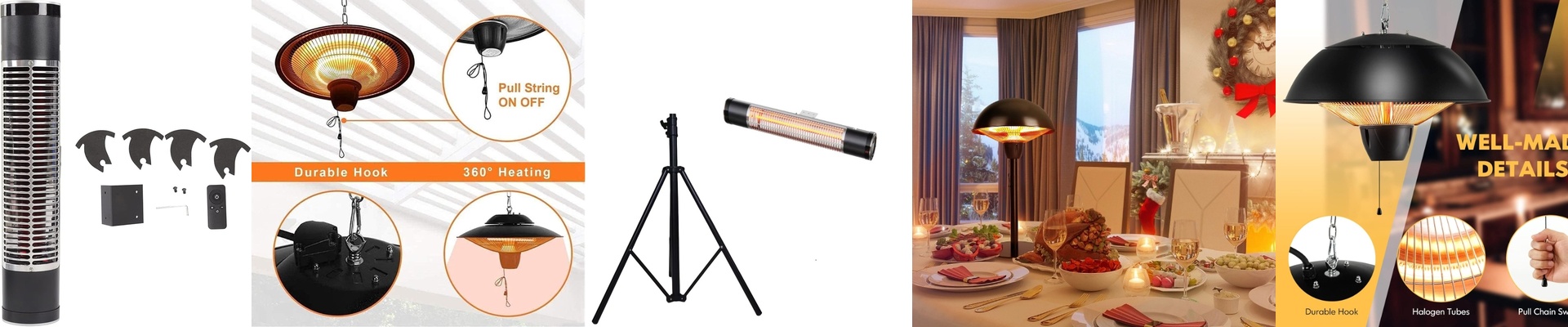
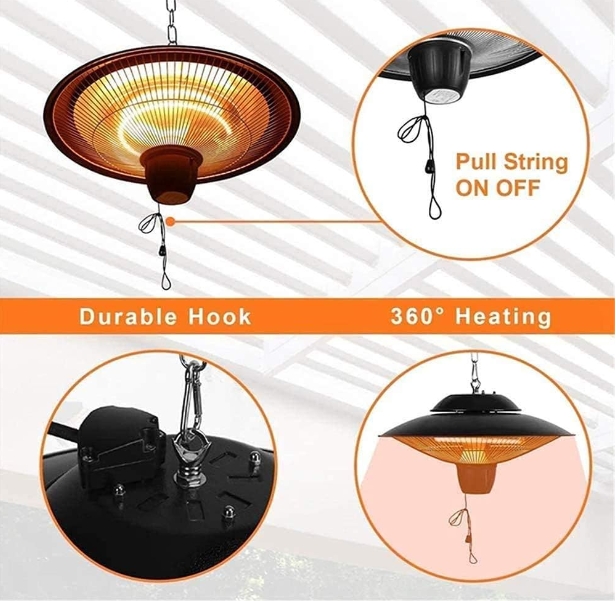
If you run a restaurant with a patio, you know the winter struggle. The second the temperature drops, those outdoor seats become expensive pieces of furniture that nobody wants to sit in. We fix that with infrared heaters. Here is the real difference: most heaters try to warm up the air. But if it’s windy, that heat just blows away. It’s a waste of money. Infrared is different. It beams heat directly onto your guests. It feels like stepping into a patch of sunlight on a crisp day. People feel warm instantly, they stay for another drink, and your tables actually keep turning.
Built for the Weather (The IP65 Stuff)
You’ll see “IP65” on the spec sheet. In plain English? It means these things are tough. The “6” means dust can’t get inside. The “5” means they can handle rain or snow hitting them from any direction without shorting out. You don’t need to build a fancy roof or a protective canopy over them. You just mount them, turn them on, and let them take a beating from the weather. And there’s no waiting around for them to “warm up.” You flip the switch, and the heat is there. Right now.
Turning Dead Space into Money
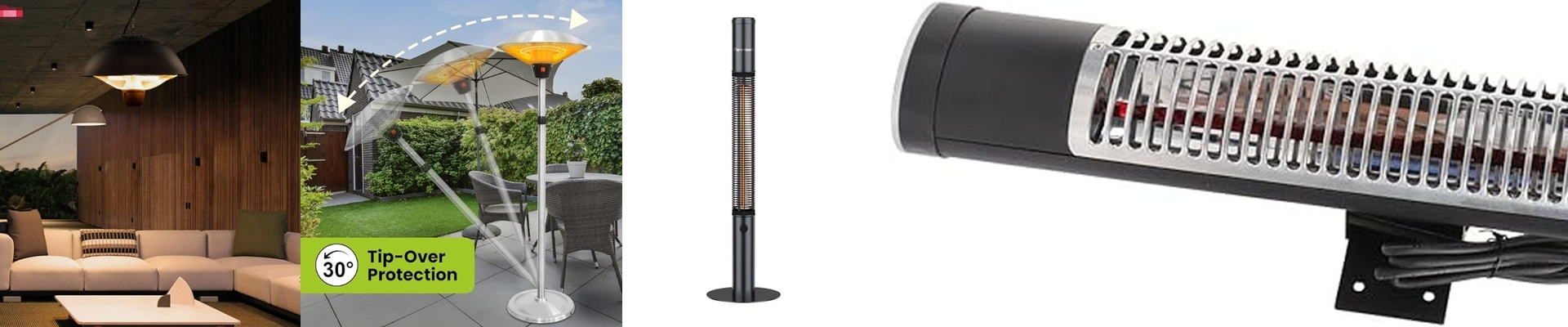
It’s all about the physics of warmth. Because shortwave infrared penetrates through clothing and skin, you can create these little “warm zones” across your patio. Your guests stay cozy even if the air around them is freezing. Think about your floor plan. In December, an unheated patio is just dead space. By adding these heaters, you’re basically adding more square footage to your dining room without having to move a single wall. More seats, more guests, more revenue.
One Heads-Up on Installation
Now, there is one catch. These heaters pull a lot of power. You can’t just plug these into a regular wall outlet and hope for the best. If you do, you’re going to trip a breaker right in the middle of a Friday night rush—and that’s a nightmare you don’t want. You’ll need to make sure your electrical panel can handle the load. We usually suggest dedicated circuits for every few units. It keeps the power steady and ensures the heaters actually perform the way they’re supposed to.