Making Bathroom Heaters Safe (and Actually Comfortable)
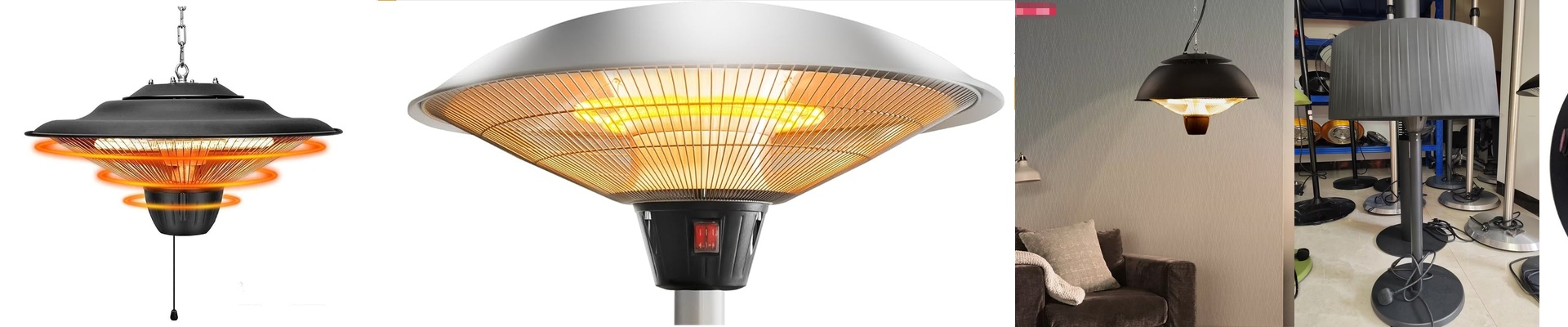
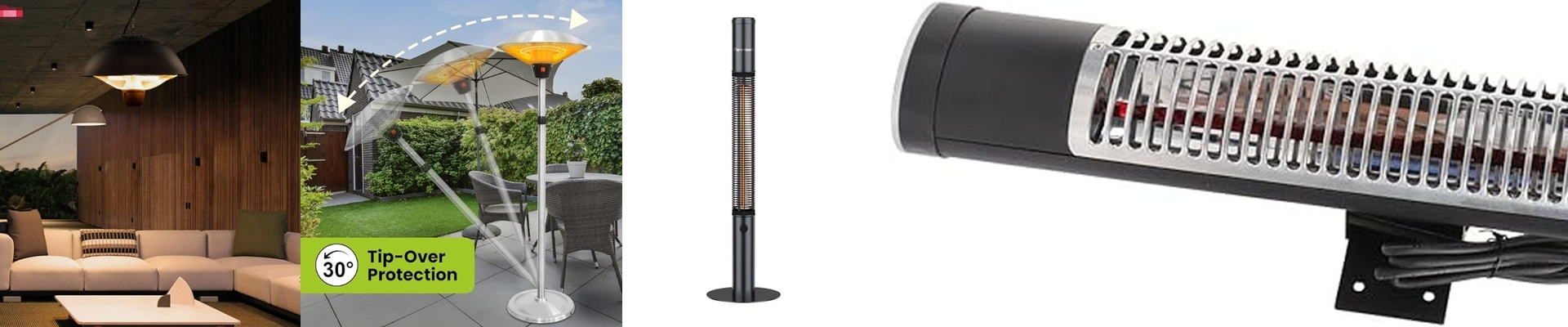
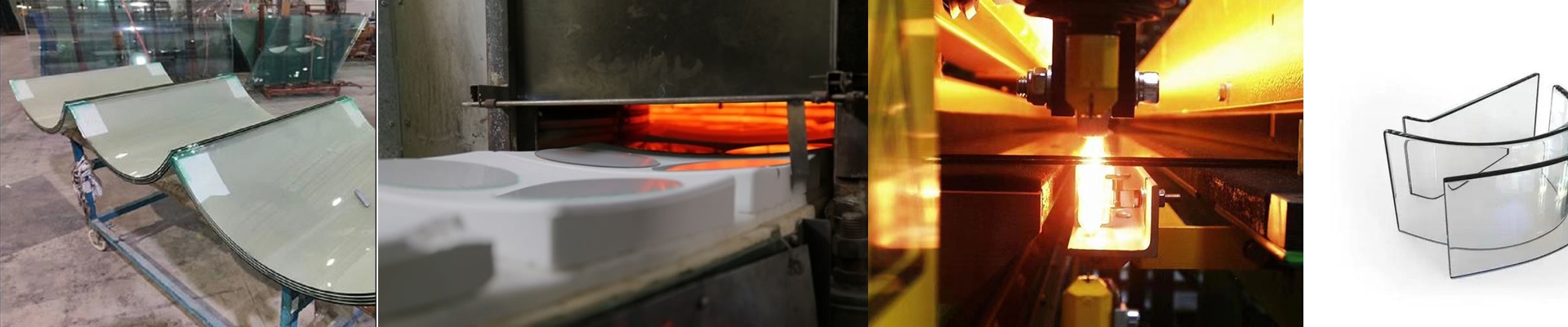
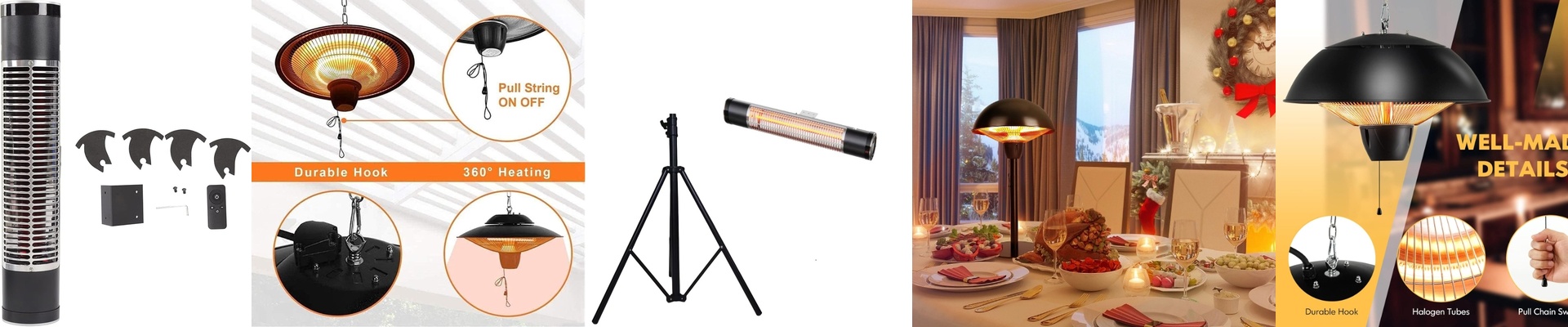
When you’re building a heater for a bathroom or an outdoor spot, a waterproof box is the easy part. The real headache starts when you think about who’s actually using it. If there are babies in the house, the biggest worry isn’t even the heat. It’s the light. The light problem Most standard infrared lamps just blast everything—visible light, UV, the works. For a baby’s eyes, that’s just too much. It’s harsh. To fix this, we tweak the filament alloy and use specific coatings on the quartz tubes. Basically, we filter out that blinding glare and shift the energy into a longer wave. This way, the warmth hits the skin and the room, not the retinas. It’s a much gentler experience. Dealing with the damp Bathrooms are brutal. You’ve got steam, humidity, and the occasional direct splash. We use heavy-duty seals at the ends of the lamps to keep moisture away from the electrics. But there’s another catch: if a cold drop of water hits a scorching hot tube, the glass can just snap. To stop that from happening, we use high-grade fused quartz. It’s tough enough to handle those wild temperature swings without cracking. The trade-off Here’s the thing: you can’t have instant, searing heat and a soft, safe glow at the same time. You have to pick one. To keep the light eye-safe, we have to keep the filament temperature a bit lower. This means the lamp takes a few extra seconds to get up to speed. It’s not an industrial dryer; it’s a home appliance. Just make sure you use a controller that ramps up the power slowly so you don’t get that annoying flickering. One last tip if you’re designing these for a home line:**don’t skimp on the vents.**Even if the light is filtered, the inside of that fixture gets incredibly hot. If the air can’t move, your wiring is going to fry.