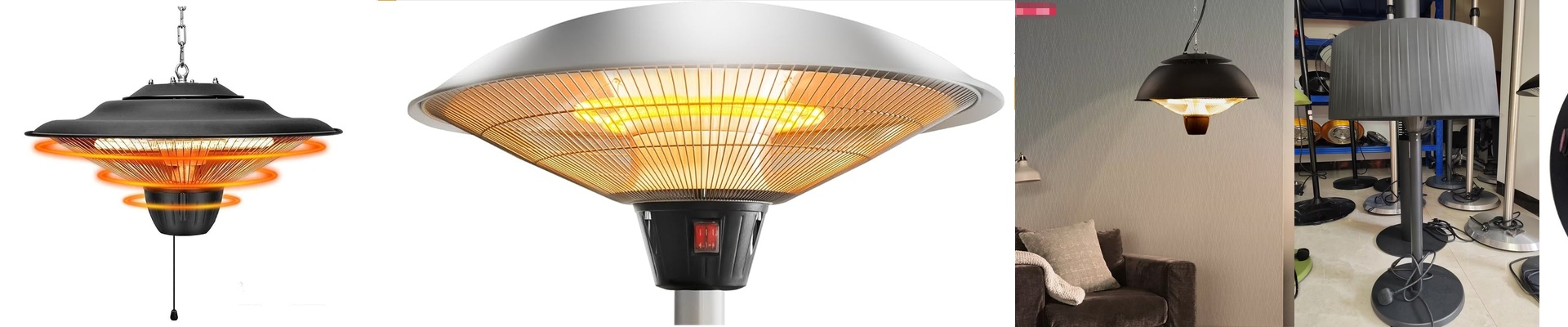
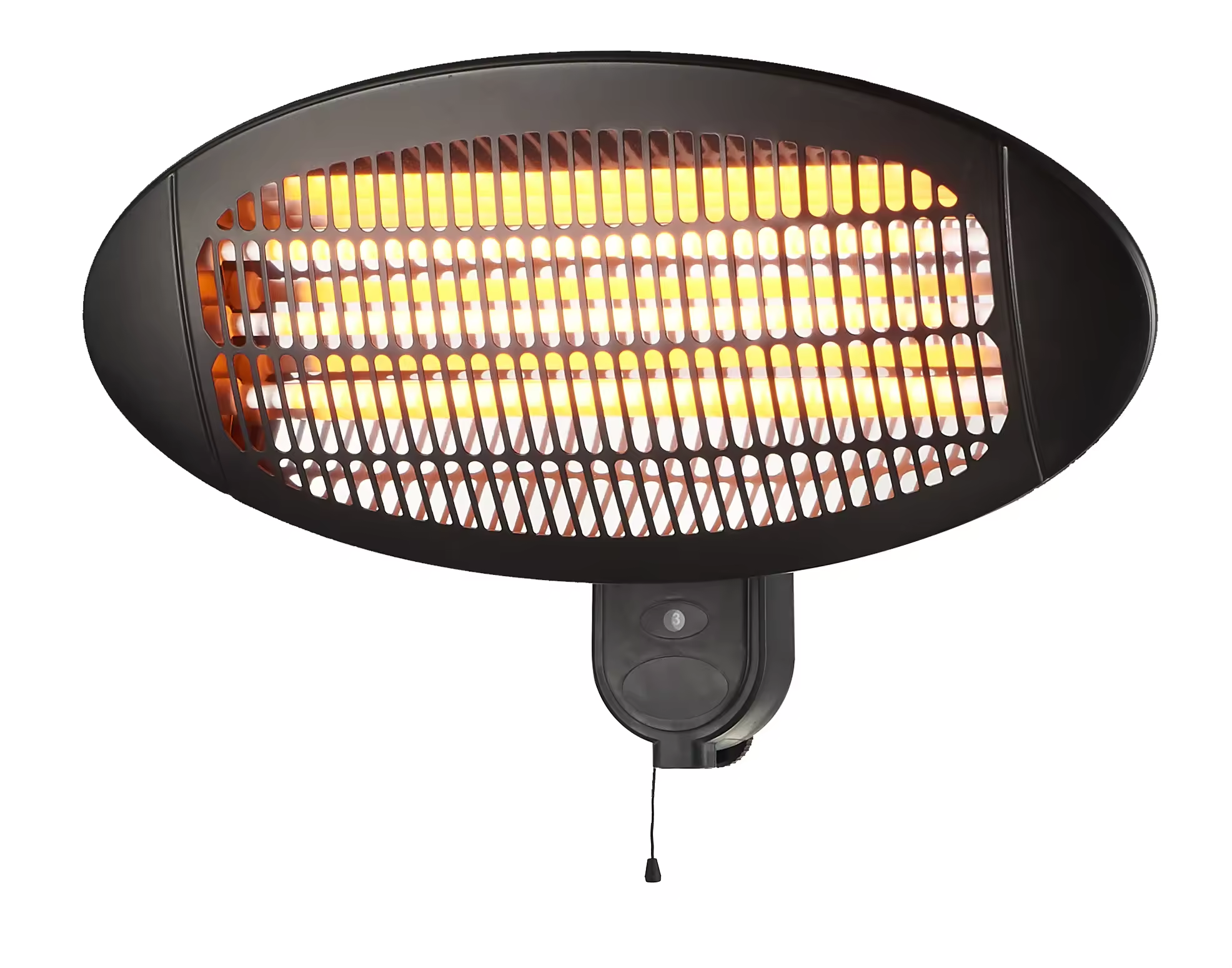
Why we put our bathroom heaters through hell (and why it matters)
Let’s be honest: bathrooms are a nightmare for electronics. You’ve got thick steam, random splashes of water, and temperatures that swing from freezing to boiling in minutes. Now, you’ll see “IP65” on a lot of boxes. That’s just tech-speak for “dust-tight and can handle a water jet.” But here’s the catch—a seal that works perfectly on day one can easily give up by day 100. That’s why we don’t just trust the rating. We put every batch through damp-heat aging tests. Basically, we try to break them before they ever reach your house. The problem with steam Water vapor is sneaky. It finds the tiniest gaps you can’t even see. Once that moisture gets inside to the circuitry or the lamp terminals, things start to rust and oxidize. We’ve seen plenty of cheap heaters just burn out because their seals shrunk after a few weeks of heat, letting the steam leak right in. Our tests simulate years of that torture in just a few weeks. We push the gaskets until they either hold up or fail. If they fail, we fix it. Dealing with the heat Infrared lamps get incredibly hot, very fast. This creates a weird tension: the outer casing expands from the heat while the rest of the bathroom stays cool. It’s a constant cycle of expanding and contracting. If the materials aren’t exactly right, they just crack. We keep a close eye on the insulation during this process. The moment we see a spike in leakage current, the design goes straight back to the drawing board. The balancing act Here’s the tricky part: if you seal a unit too tight to keep water out, you trap all that heat inside. If we overdo it, the electronics will just cook themselves and trip the safety switch. It’s a bit of a balancing act. We use strategic venting and heat sinks to make sure the unit stays cool without letting the steam in. You end up with a heater that won’t short out in a steamy shower, but also won’t melt its own internals. We’ve got all the data to back it up, so you can just install it and actually trust that it’ll work.