Engineering for Maintenance: Modular Infrared Heater Design
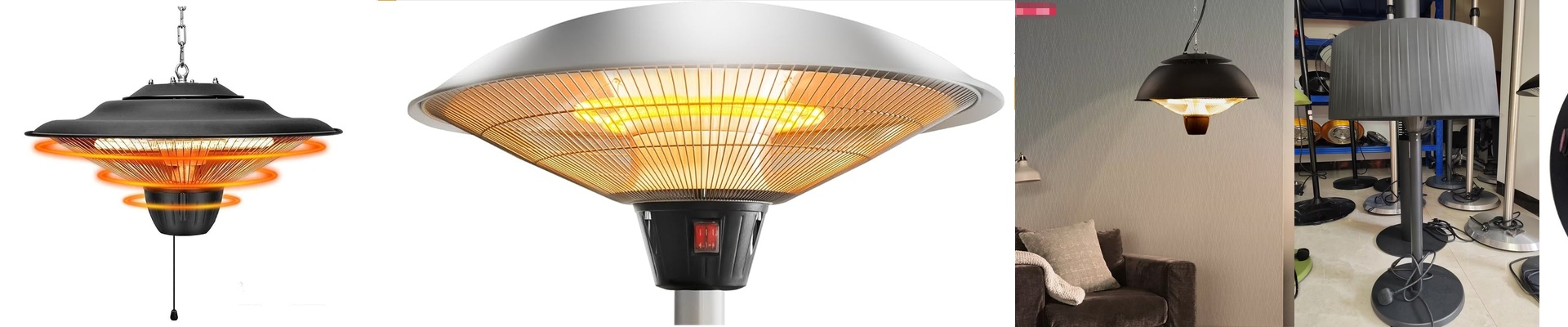
Waterproof infrared table heaters face harsh environments. Moisture and heat cycles eventually wear down the heating elements. When a tube burns out five years into operation, you don’t want to strip the entire chassis or rewire the control panel. We build our systems with a modular architecture to prevent that.
The Modular Swap-Out
We treat the heating element as a consumable part. Instead of hard-wiring the lamps into the main circuit, we use a plug-and-play modular layout. You can pull a failed tube and drop in a replacement without touching the primary power distribution. This cuts maintenance windows from hours to minutes.
Waterproofing and Thermal Load
Maintaining an IP-rated seal while allowing for quick tube replacement is a balancing act. We use specialized gaskets and compression fittings that seal the heater against water ingress but release easily during service. High-wattage infrared tubes generate intense heat density. If you spec out a high-output module, remember that your ventilation must be sized accordingly. Overheating the housing can degrade the waterproof seals over time, leading to premature leaks.
Long-term Field Service
Five years of operation usually means some level of oxidation on connectors. We use corrosion-resistant terminals to ensure that when you do perform a swap, the connections don’t snap or arc. You get a system where the heating array is independent of the structural frame. If one section fails, you replace that specific module. The rest of the table stays online. This approach removes the need for specialized factory technicians for routine lamp changes. You can handle it with basic shop tools.