How to Actually Heat an Outdoor Pergola (Without Losing the Heat to the Wind)
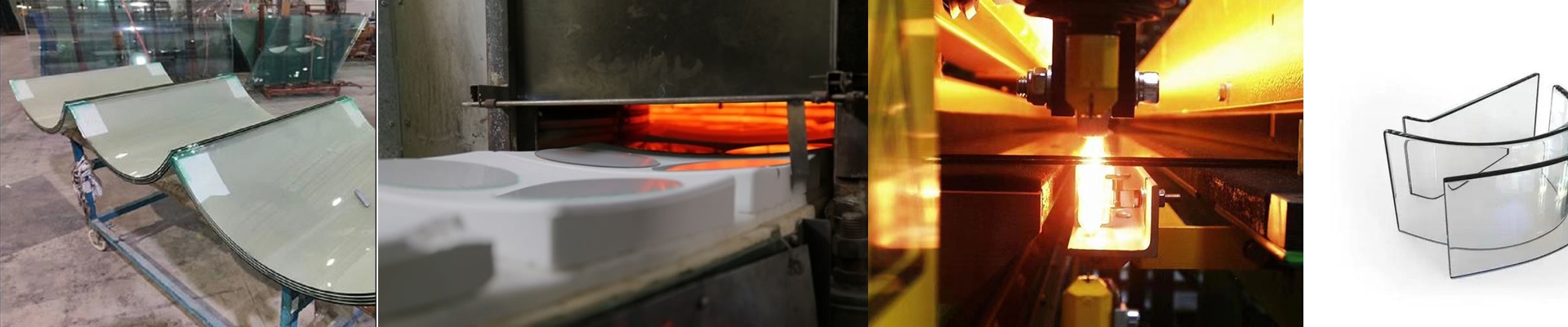
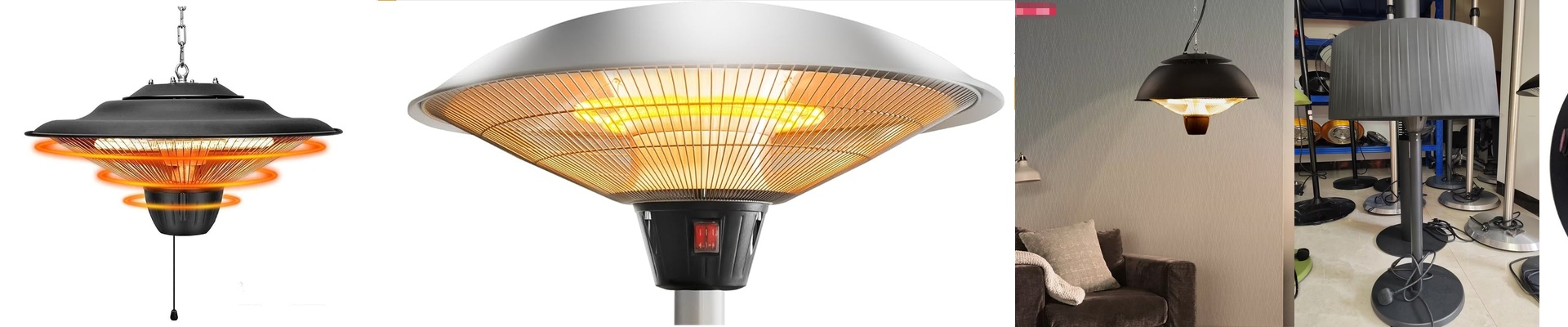
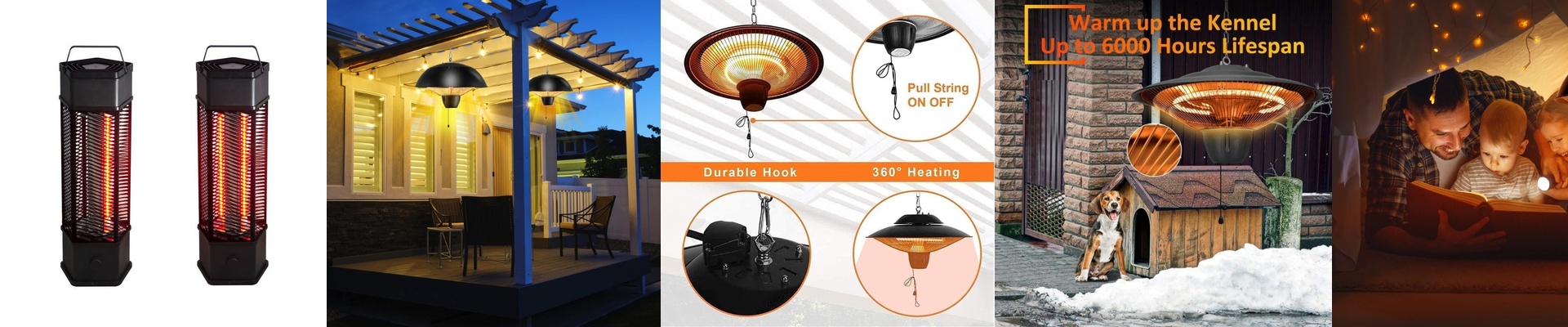
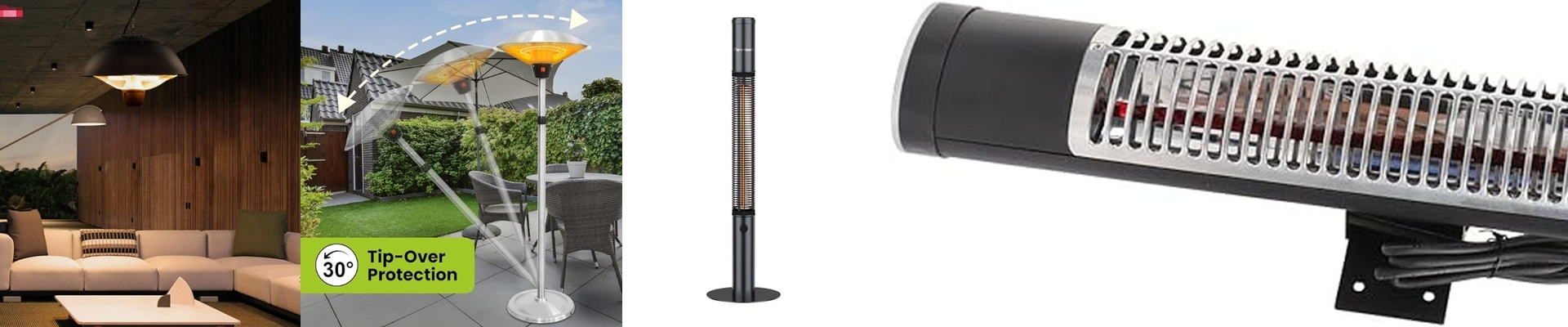
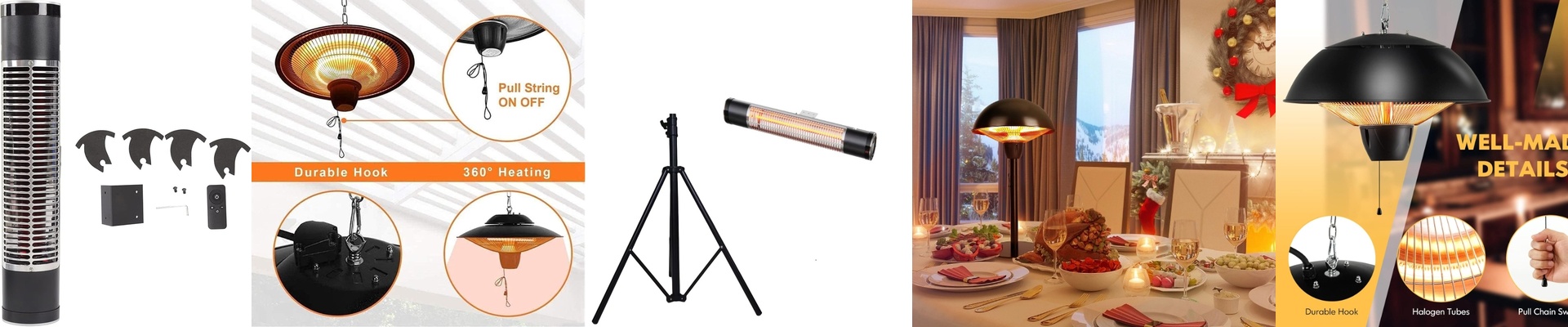
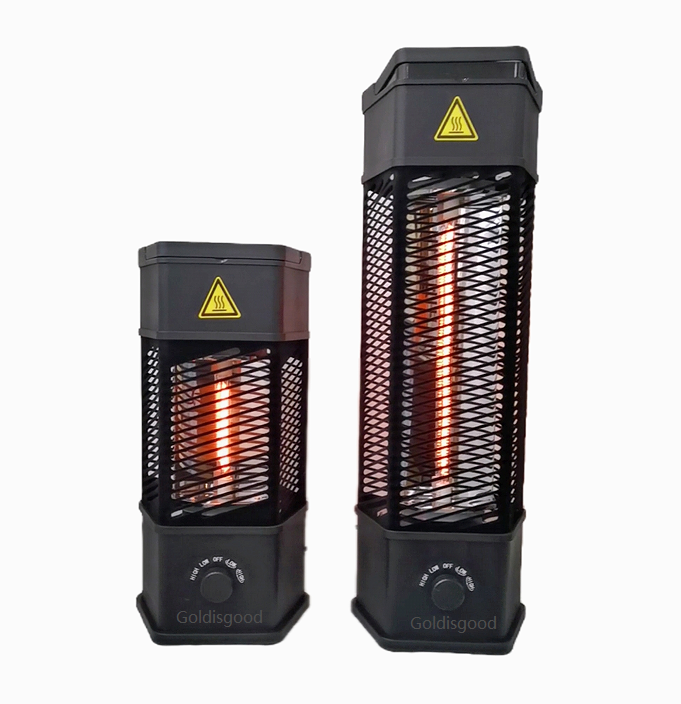
Ever tried using a standard space heater on a breezy patio? It’s a waste of time. The wind just grabs the warm air and carries it away before it even hits you. You’re left shivering while your electricity bill climbs. That’s why we lean on shortwave infrared (IR). Here is the secret: it doesn’t bother heating the air. Instead, it sends energy straight to you—and your guests—almost instantly. It feels like stepping into a patch of sunlight on a cold day. Even if there’s a stiff breeze, you still feel that warmth on your skin. The “Instant Warmth” Factor To get that cozy, high-end feel in a drafty spot, you need power density. We usually go with quartz halogen tubes because they don’t need time to “warm up.” They’re on the second you flip the switch. The science is pretty straightforward. These tubes put out a specific kind of light (between 0.76 and 1.4 micrometers) that just glides right through the air. It doesn’t get soaked up by oxygen or nitrogen. It just travels in a straight line until it hits something solid. You. Dealing with the Elements Outdoor gear has to be tough. Rain, dust, and humidity are basically the enemies of electronics. We wrap the heating elements in IP-rated seals so you don’t have to worry about a short circuit during a drizzle. To make sure the heat actually goes down toward the people and not up into the rafters, we use polished aluminum or gold-coated reflectors. And since moisture can kill a filament, we shield the whole thing with tempered glass or specialized quartz. It keeps the guts of the heater dry and keeps the unit running longer. A Few Things to Watch Out For You can’t just plug these into any old outlet. These heaters pull a lot of juice. Before you start wiring, definitely check your breaker capacity. You don’t want the power cutting out the moment your guests get comfortable. Also, placement is everything. Because shortwave IR is so intense, you can’t mount it too low. If you do, the surface directly underneath might get way too hot. We usually suggest a gap of at least 2.2 meters. It gives the heat room to spread out, making the warmth feel natural and safe rather than like a heat lamp at a buffet.