


Keeping Your Bathroom Heater Safe (And Your Ceiling Intact)
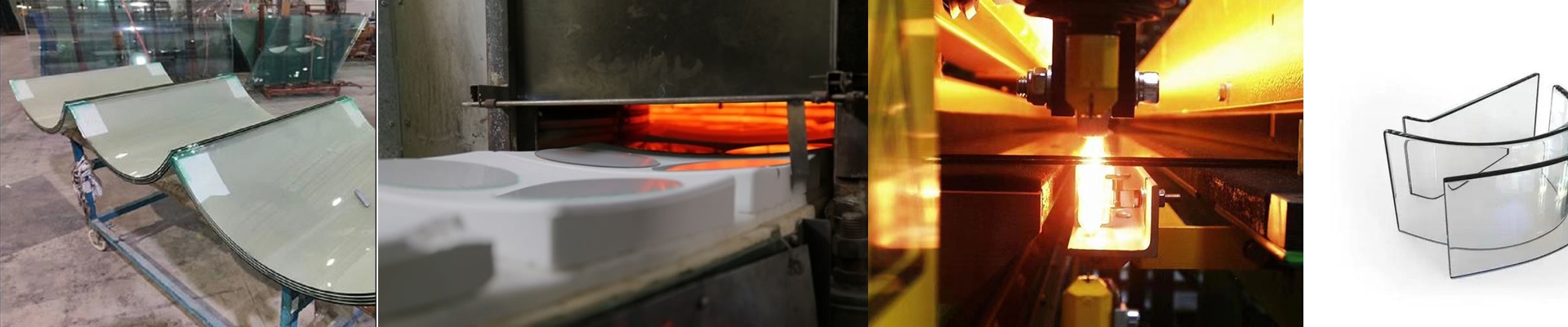
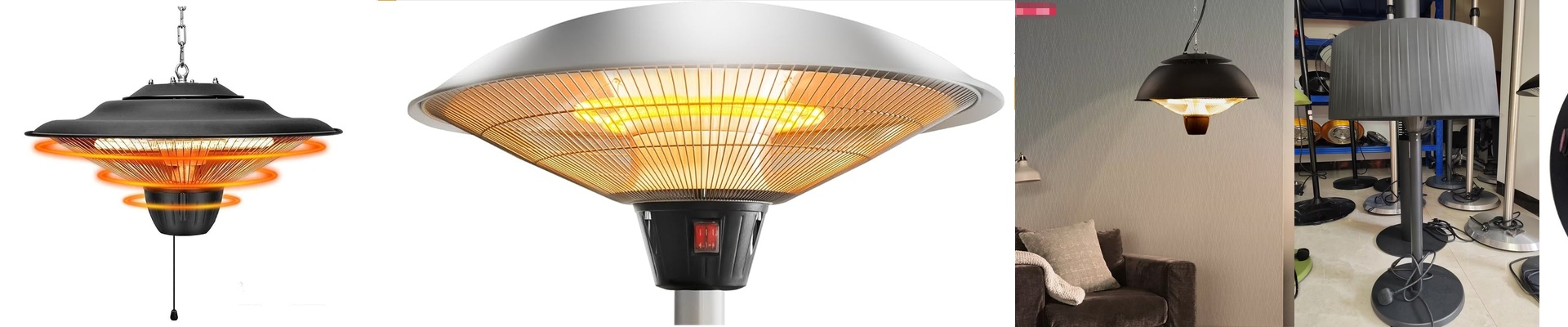
Let’s talk about those recessed infrared heaters. You know the ones—they’re great because the second you flip the switch, you feel that wave of heat. No waiting around for a room to warm up while you’re shivering in a towel. But here’s the thing: bathrooms are tough on electronics. You’ve got steam, splashes, and huge temperature swings. In these setups, the quartz heating tube is usually the first thing to give out. If a tube cracks because it got too hot too fast, or if moisture sneaks in, you’re looking at electrical shorts or, worse, shattered glass. That’s why we don’t just use any glass. We use explosion-proof quartz.
Why “Explosion-Proof” Actually Matters
Think about the physics for a second. A quartz tube gets incredibly hot—we’re talking 600°C. Now, imagine a single stray drop of cold shower water hitting that surface. The glass stresses out instantly. It snaps. To stop that from happening, we use a reinforced composition or a special coating. It acts like a safety net. If the vacuum seal fails, the coating keeps the fragments from flying outward. It holds everything together and keeps the electrical filament working so you don’t have a disaster on your hands.
The Nitty-Gritty of the Build
We usually go with high-wattage, halogen-filled tubes. Why? Because they react fast. Plus, they pack a lot of heat into a tiny space, which means you don’t have to cut a massive, ugly hole in your ceiling to get the warmth you want. One detail people often overlook is the wiring. We use high-temperature ceramic sockets. If you try to save a few bucks with cheap plastic connectors, they’ll literally melt under the load of a 1000W element. Not a good look.
A Few Tips for Installing
These heaters are fantastic, but they create a very concentrated “hot zone.” Make sure you’re positioning the unit away from anything flammable in your ceiling. And while the safety glass handles the moisture on the element, the rest of the housing still needs a solid IP-rated seal. If steam leaks into the driver or the wiring junction, that fancy glass won’t save you from a short circuit. Double-check your grounding and, for heaven’s sake, always wire it to a GFCI outlet. It’s just common sense when you’re mixing water and electricity.