Stop Replacing Your Infrared Lamps Every Few Months
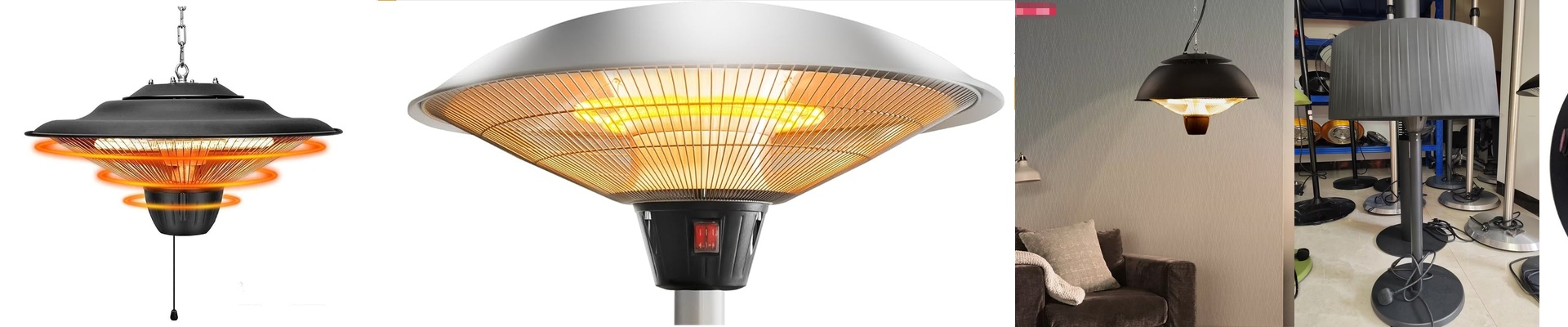
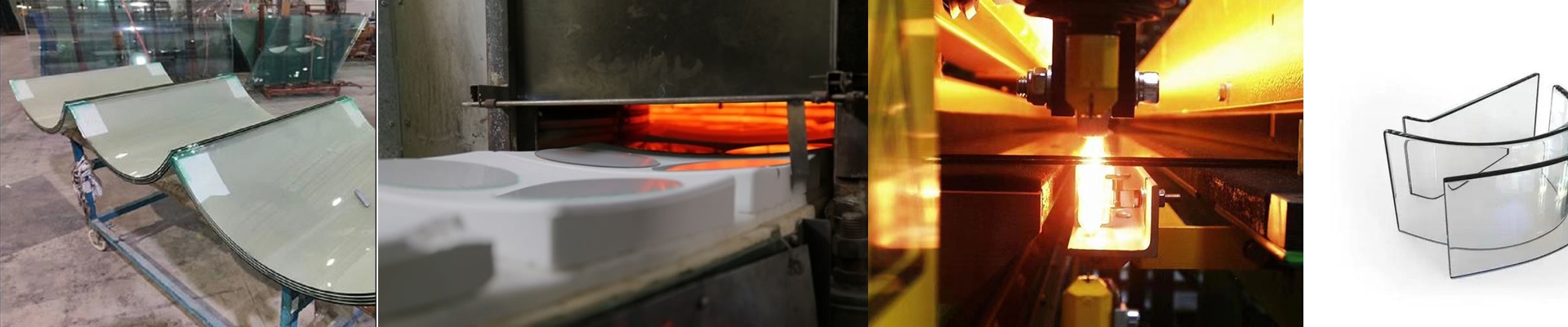
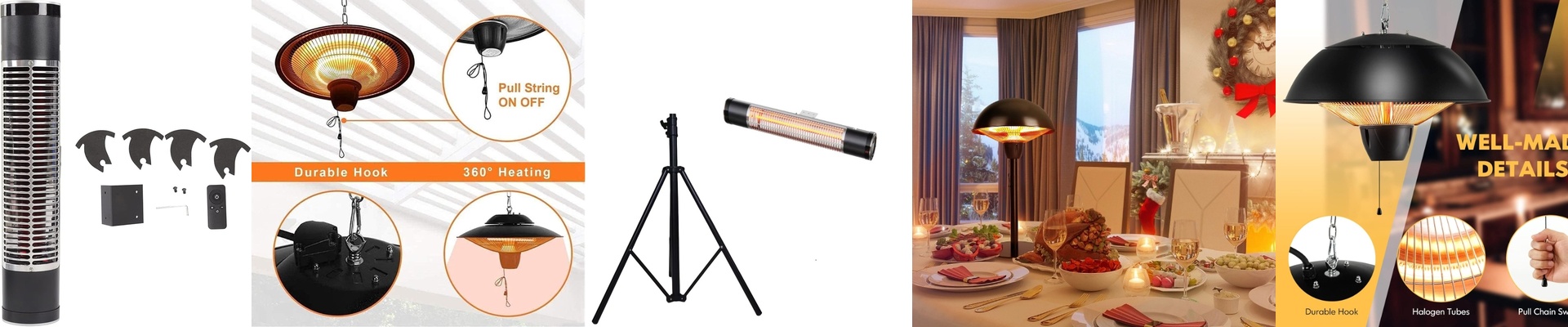
Let’s be honest: there is nothing more annoying than a heater burning out right when you actually need it. Most of the time, it’s not the lamp itself that fails—it’s the connection. A little bit of dust gets in, or a stray splash of water hits the terminals, and pop. A short circuit happens, and you’re left with a dead tube and a cold workspace. We got tired of seeing that happen, so we built IP65-rated sealing into our best-selling line. What does that actually mean for you? Basically, it means the unit is tight. Dust can’t get in, and if you spray it with water, it doesn’t care. We used specific gaskets and sealed where the cables enter the housing to keep the guts of the machine dry. If you’re working in a humid factory or a place where you’re constantly washing down the floors, this is a lifesaver. It stops that slow, creeping corrosion that usually eats your heating elements alive. The heat struggle Here is the tricky part: seals usually hate heat. Most of them melt or crack the second things get hot. To fix that, we didn’t use cheap rubber. We went with high-temperature silicone and fluoropolymer gaskets. They stay flexible and tight even when the lamp is cranking out maximum heat. Just a heads-up, though. The IP65 rating covers the housing and the wiring—not the glass tube itself. The glass is still glass. If you hit it with a hammer, it’s going to break. The bottom line These are for the messy jobs. The places where “bone-dry” just isn’t an option. By keeping the water out, we stop the electrical arcs that kill your equipment. You’ll spend way less time on a ladder swapping out burnt-out lamps and more time actually getting work done. One quick tip: make sure your mounting brackets are tight. If the unit is wobbling, it can put stress on those seals and ruin the waterproof magic over time. Keep it secure, and it’ll last.