Why we put our bathroom lamps through the “steam torture” test
If you’ve ever used a cheap heater in a bathroom or a chicken coop, you know the drill. One day it’s working fine, and the next, it’s dead. Usually, it’s because water vapor is sneaky. It doesn’t just sit on the surface; it finds a tiny gap in a seal, crawls inside, and eats away at the electrical contacts. Or the glass tube just gives up because it couldn’t handle the swing from freezing cold to blistering hot. We aren’t okay with that.
How we try to break things
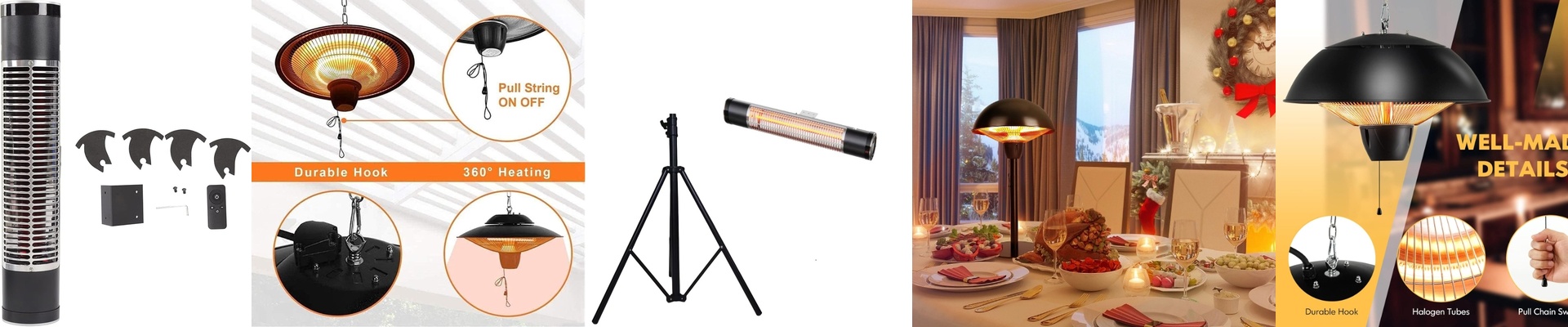
We don’t just “hope” our lamps are waterproof. We try our hardest to kill them. We toss our units into a chamber and blast them with high heat and thick humidity. It’s basically a sauna from hell. By doing this, we can cram years of steam exposure into a few hundred hours. We’re looking for the weak spots. Specifically, the place where the wires meet the glass. That’s where things usually go south. If we see the insulation resistance dip even a little bit, we know the seal failed. Back to the drawing board.
The balancing act
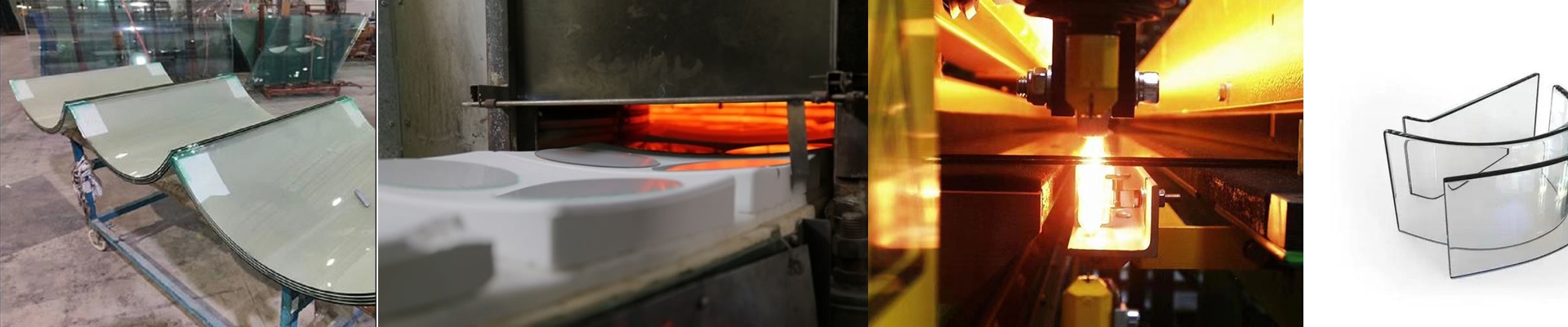
Here is the tricky part: the materials. We use quartz glass because it’s amazing at moving heat, but glass and metal don’t always get along when they expand and contract. That junction is where the leaks happen. Now, you might think, “Just slap on a thicker coating!” But there’s a catch. If the coating is too thick, it messes with the infrared light coming off the lamp or makes the glass overheat. It’s a constant tug-of-war. We spend a lot of time finding that sweet spot where the lamp stays bone-dry but still puts out all the heat you need.
What this means for you
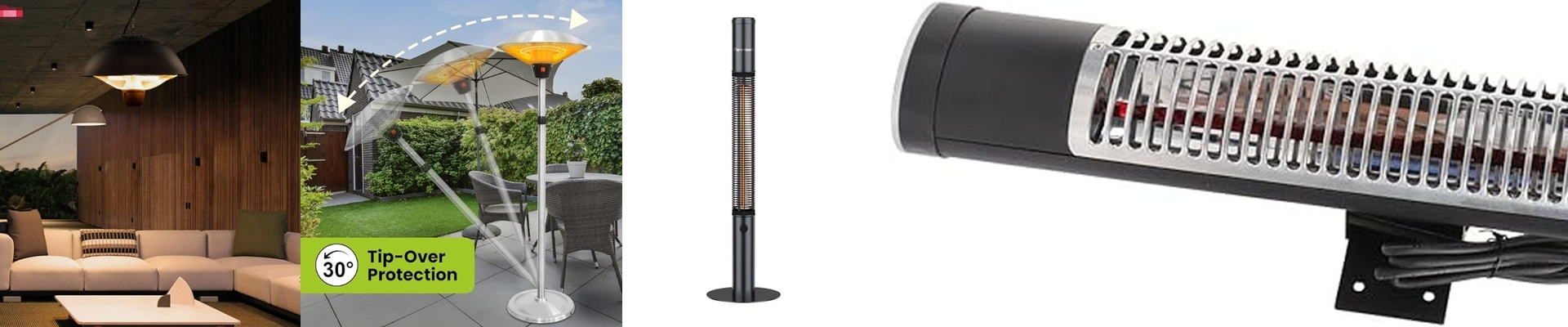
When you’re wiring these into a wet zone, the last thing you want is your GFCI breaker tripping the second the shower starts. Our testing means you can actually trust that the guts of the heater are isolated from the steam. Just a heads-up: these things gethot. Really hot. Just make sure your housing has enough breathing room so you don’t accidentally melt your surrounding fixtures.