
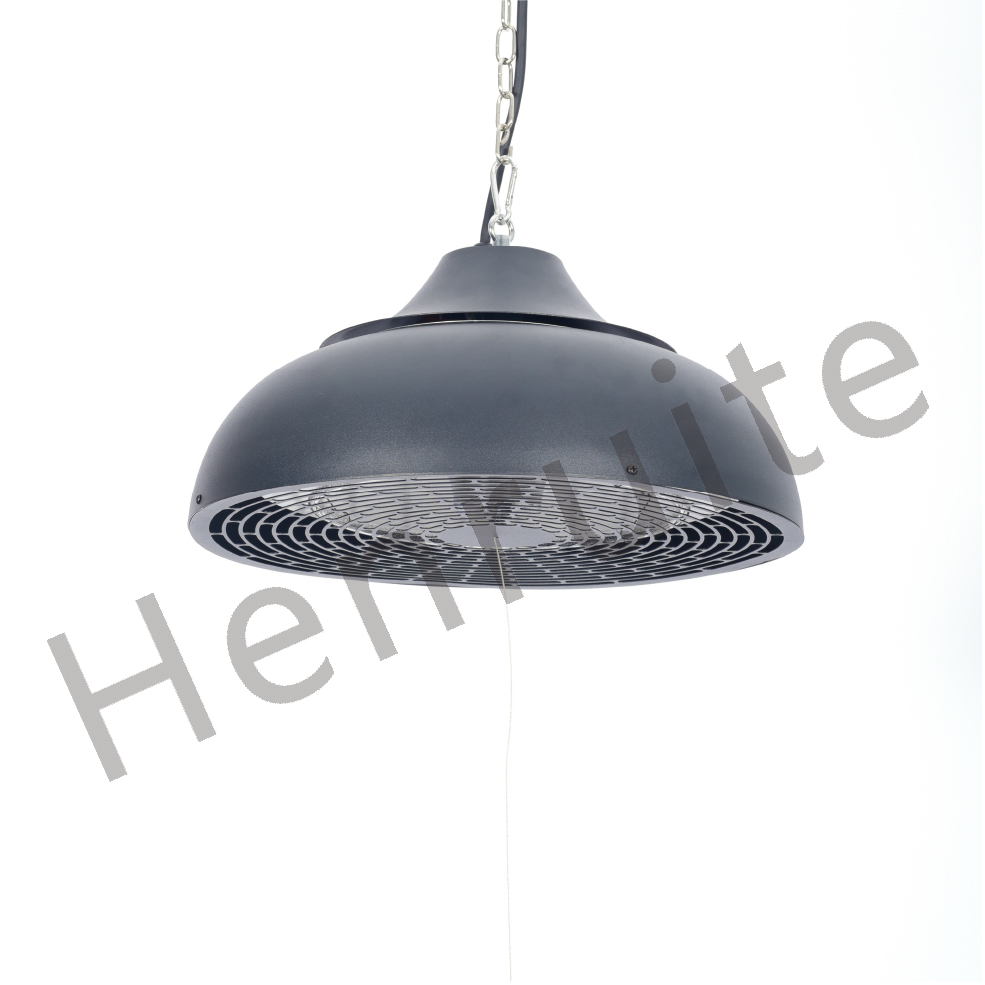
Why Most Bathroom Heaters Fail (And How We Stop It)
Let’s be honest: bathrooms are a nightmare for electronics. You’ve got extreme heat one minute and a room full of thick, heavy steam the next. It’s basically a torture chamber for electrical components. If you aren’t careful, that’s a one-way ticket to a short circuit or a tripped breaker. That’s why we don’t just build these heaters and hope for the best. We try to break them first.
The Sneaky Way Moisture Gets In
Here’s the thing about water vapor—it doesn’t just sit on the outside of the case. It sneaks in. It finds the tiniest gaps in the seals and crawls into the electrical housing. Once that moisture hits the circuitry or the lamp terminals, you get oxidation. Then comes the failure. To stop this, we toss our heaters into high-temp, high-humidity chambers. We basically simulate years of steamy showers in a fraction of the time. It’s a brutal process, but it’s the only way to find a weak seal or a sloppy solder joint before the product ever hits your warehouse.
Beyond the “Waterproof” Label
We see “waterproof” claims all the time, but those labels can be misleading. A seal might work great on day one, but what happens after three months of heating up and cooling down? Materials shrink. Adhesives lose their grip. We obsess over the IP rating because we want to know if the gaskets actually hold up under thermal stress. If the insulation resistance dips even a little bit during our aging tests, the design goes straight back to the drawing board. No exceptions.
The Balancing Act
There is a catch, though. If you seal a heater too tightly, you create a different problem. You trap the heat inside, which can actually burn out the infrared lamp faster. It’s a bit of a tug-of-war. We’ve spent a lot of time tweaking the venting paths so the unit can “breathe” and equalize pressure, but still keep the liquid water out. At the end of the day, you just want a heater that works. You don’t want to worry about safety the second someone turns on the shower. We put our gear through the wringer so that when it’s finally wired into a wall, it just stays on. Simple as that.