
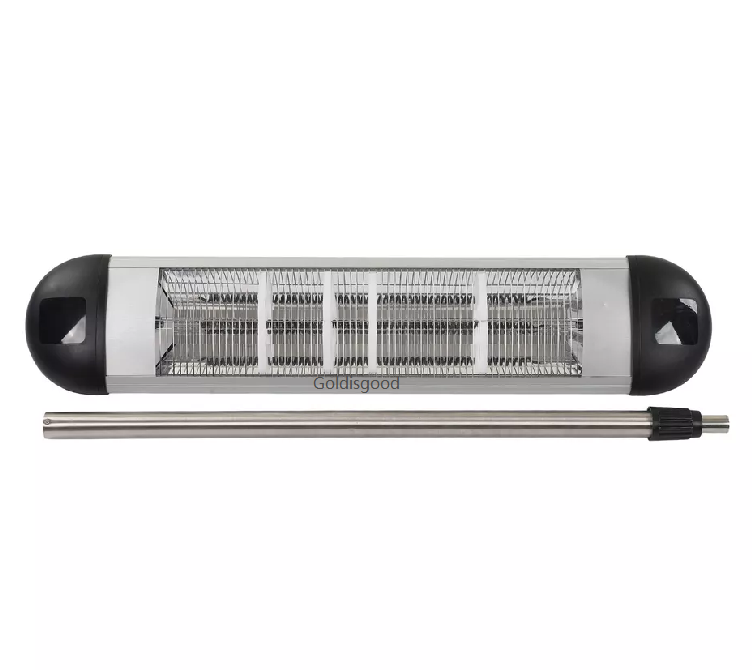
Stop Letting Your Patio Go Cold This Winter
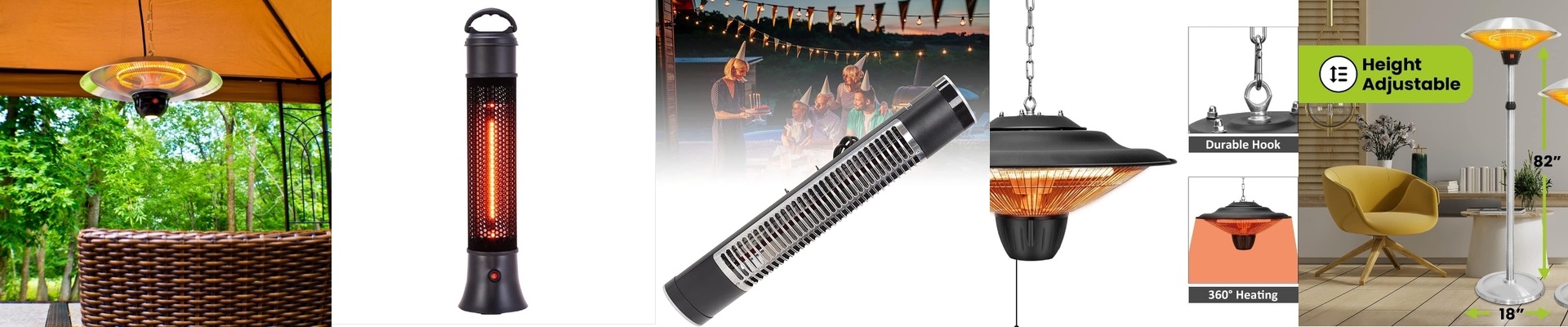
Most outdoor dining areas basically become ghost towns the second the temperature drops. It’s a waste of space. We fix that with shortwave infrared heaters. Here’s the thing: standard convection heaters try to warm up the air. But outdoors? That warm air just floats away. Infrared is different. It beams heat directly onto your guests. It feels like stepping into a patch of sunlight on a crisp day. People feel it instantly, which means they actually stay in their seats.
The “Nitty-Gritty” on the Tech
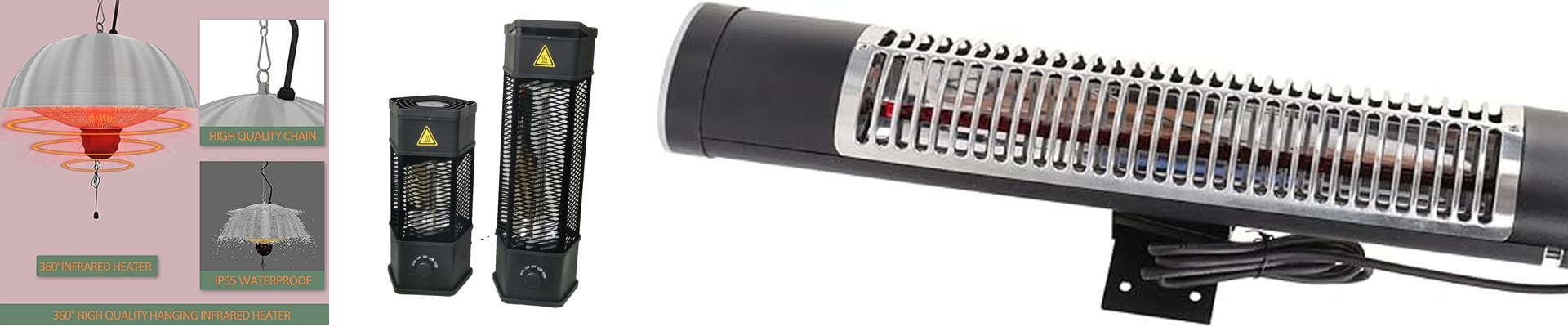
You’ll see “IP55” on the spec sheet. In plain English? It means these things are tough. They’re protected against dust and can handle a good splashing of water. Whether it’s a sudden rainstorm or a staff member getting a bit over-enthusiastic with the hose during cleanup, the internals are safe. We use shortwave emitters because they’re more powerful. The heat travels further and cuts through the cold without fading out. You can mount them 2.5 to 3 meters up, and your customers will still feel that warmth hit their skin the moment they sit down.
A Few Things to Keep in Mind
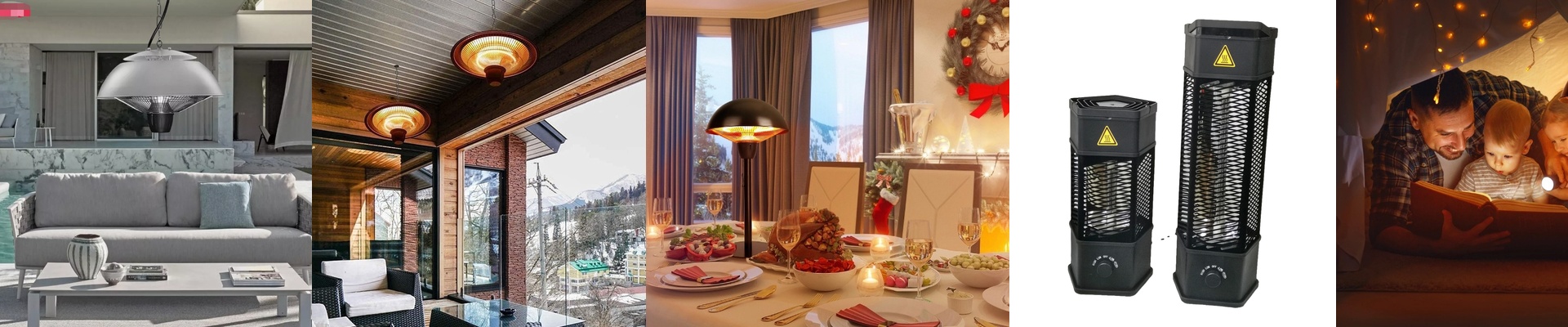
Before you start drilling holes, take a look at your electrical panel. These heaters pull a lot of power. If you’re installing a bunch of them across different zones, do yourself a favor and use dedicated circuits. Nobody wants a breaker to trip right in the middle of the Friday night dinner rush. The best part is the size. They’re compact. You can swap out those clunky, ugly propane tanks for these and suddenly have more room to move. Just a heads-up: they get hot. Keep them away from plastic signs or fabric awnings.
Why This Actually Matters for Your Business
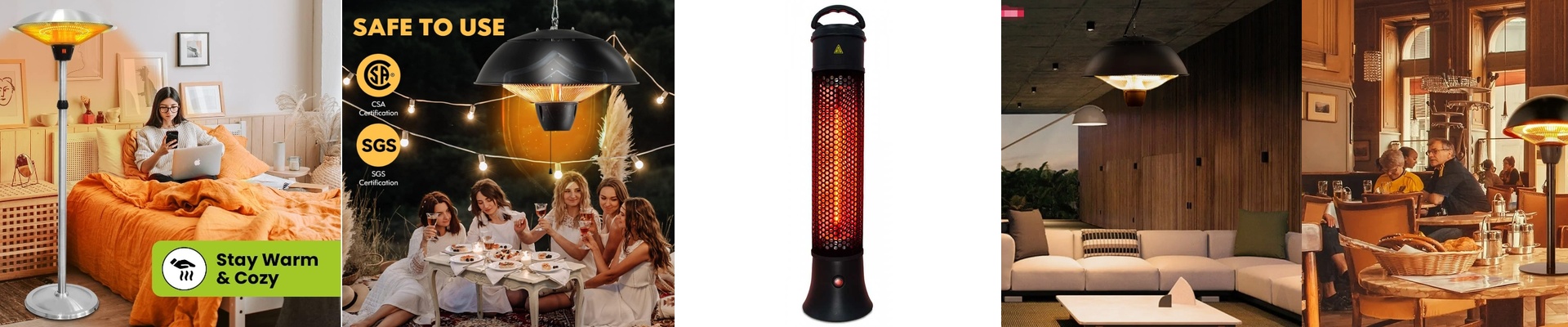
If you can keep your patio open and comfortable, you might bump your seating capacity by 20% during the winter. That’s a huge win for your wallet. When people aren’t shivering, they don’t rush off. They stay for that extra round of drinks, the dessert menu, and coffee. You’re not just buying heaters; you’re making sure your outdoor space makes money all year round instead of just being a cold, empty slab of concrete.