Making Bathroom Heaters That Actually Work (And Won’t Blind You)
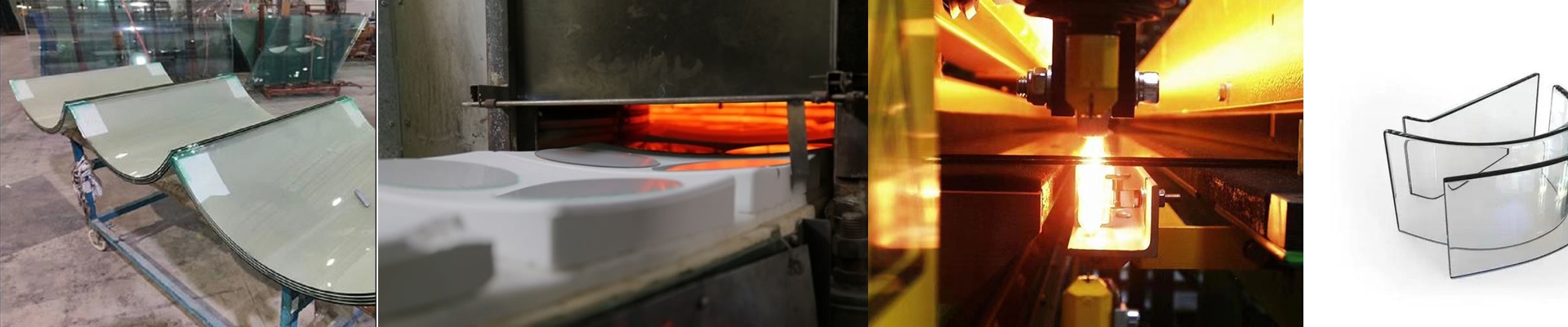
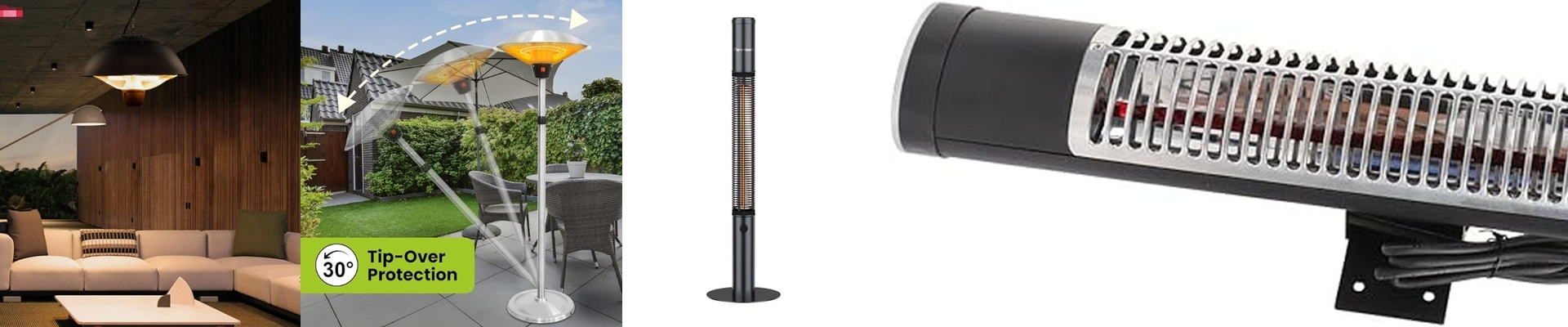
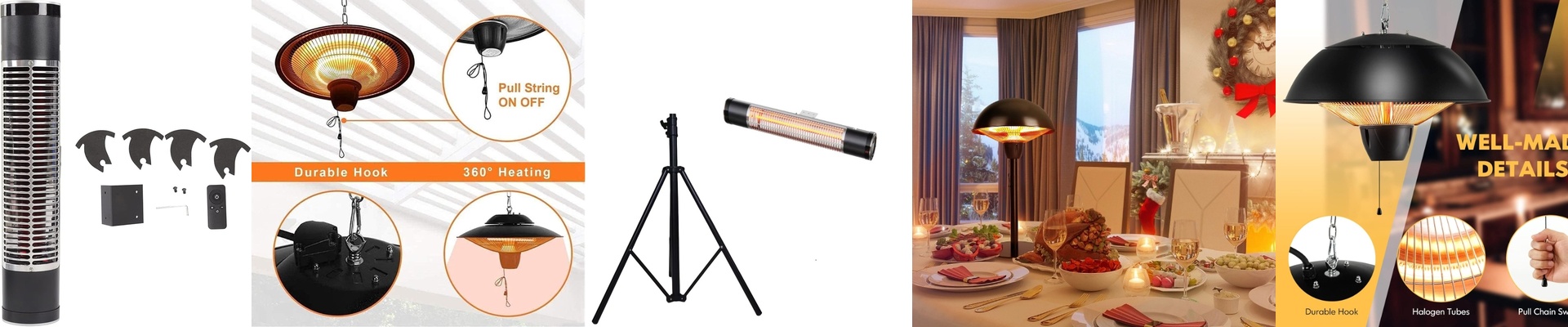
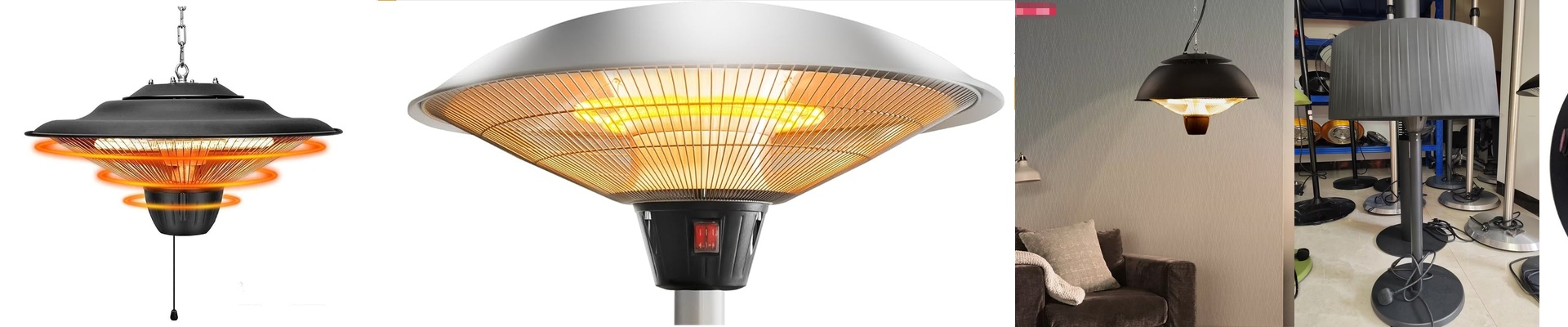
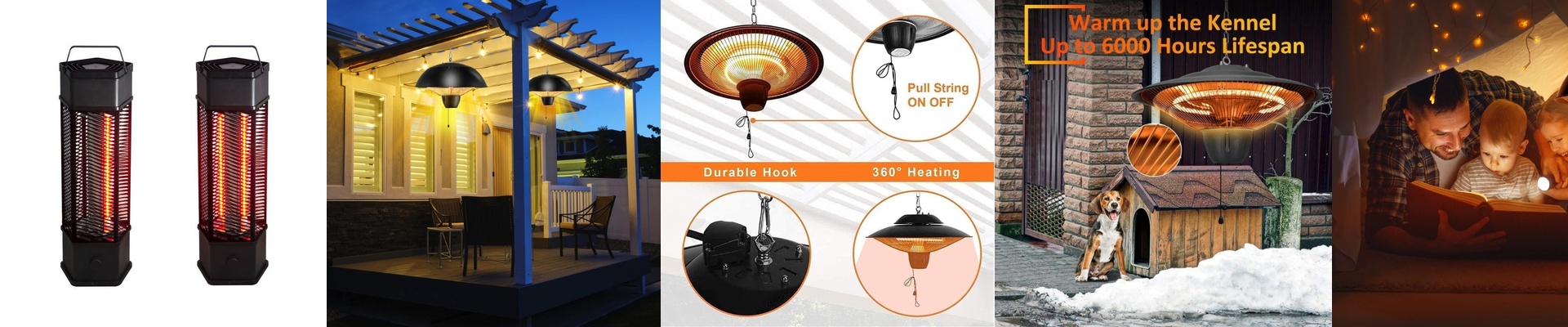
Let’s be honest: bathrooms are a nightmare for heaters. You’ve got freezing cold tiles, thick humidity, and usually a toddler or a baby who’s way more sensitive to bright lights than we are. You want the room to feel cozy the second you step in, but you don’t want it to feel like you’re standing under a stadium floodlight. Here is how we handle that balance. Dealing with the glare Most standard infrared lamps just blast light everywhere. It’s harsh. It’s blinding. And for a baby, it’s just too much. To fix this, we use special coatings on the quartz glass or add filters. Think of it like sunglasses for the heater. These filters block out those annoying, bright white light peaks but let the actual heat slide right through. You still feel that instant warmth on your skin, but you aren’t squinting the whole time you’re drying off. Sure, we lose a tiny bit of total power by filtering the light, but it’s a trade-off that makes the experience much more relaxing. Keeping things dry Water and electricity? Bad mix. We use halogen-filled quartz tubes because quartz is tough. It doesn’t crack or freak out when it hits a sudden temperature change in a steamy room. Around the sockets and the chassis, we pack in heavy-duty seals and reinforced gaskets. It’s all about making sure moisture stays on the outside and away from the wiring. The tricky part High-wattage lamps get incredibly hot. If you jam too many of them into one small ceiling fixture, the whole housing can start to overheat. It’s a real risk. That’s why we’re picky about the wiring and how the unit breathes. We also suggest using a dimmer. Instead of just flipping the switch on and off—which wears out the filament—a dimmer lets you dial in the exact temperature you want. It makes the lamps last longer and keeps you from accidentally turning your bathroom into a sauna.