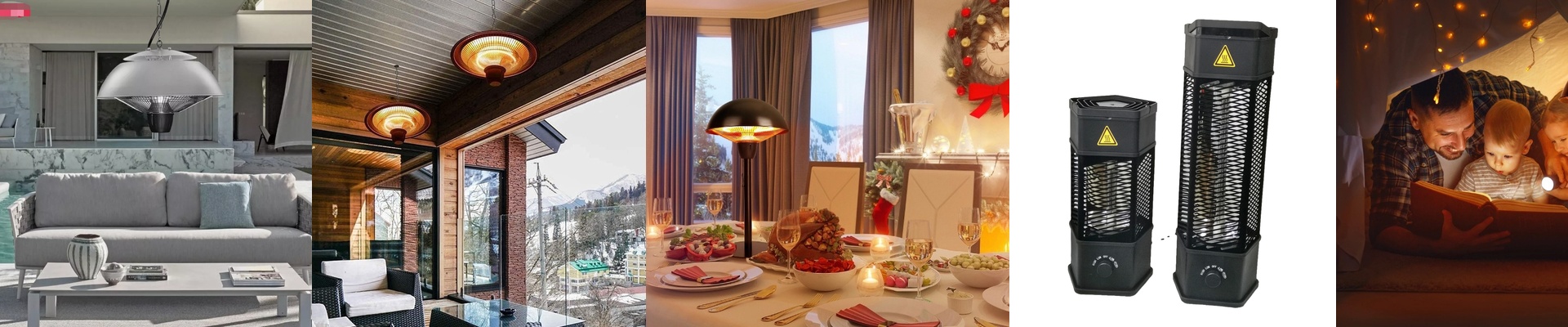
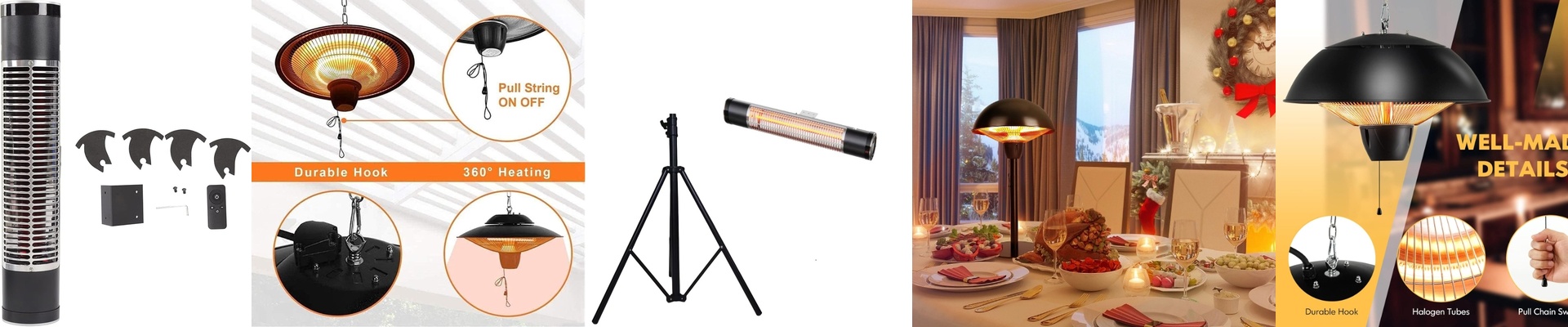
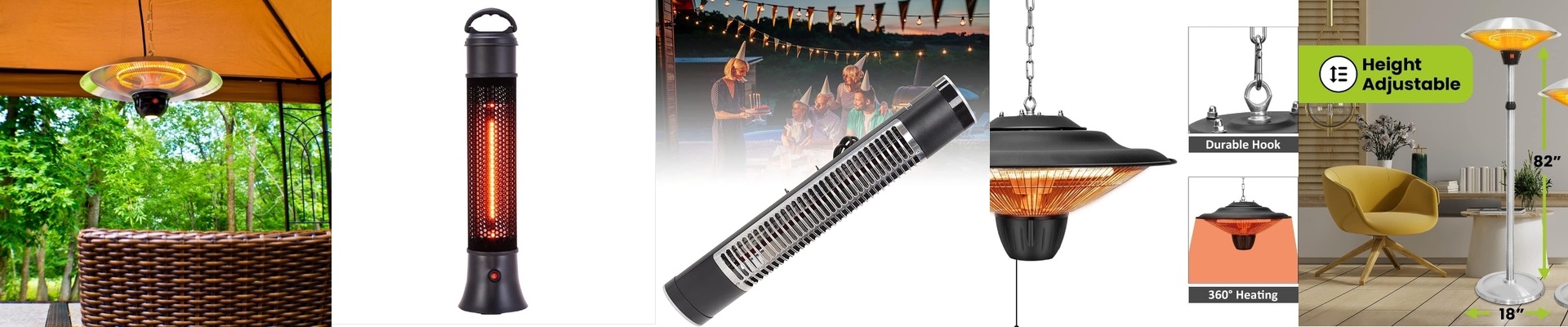
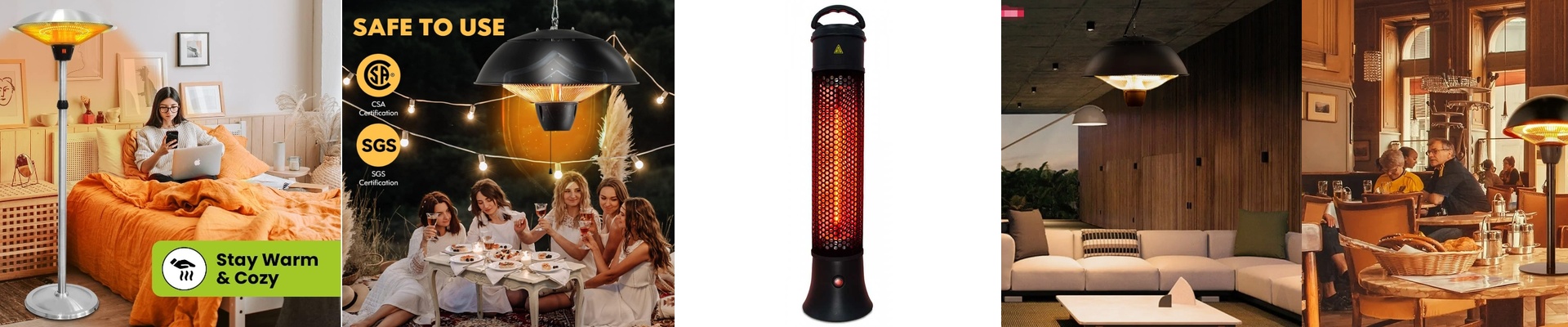
Stop Shivering in Your Bathroom: Making Your Heater Actually Smart
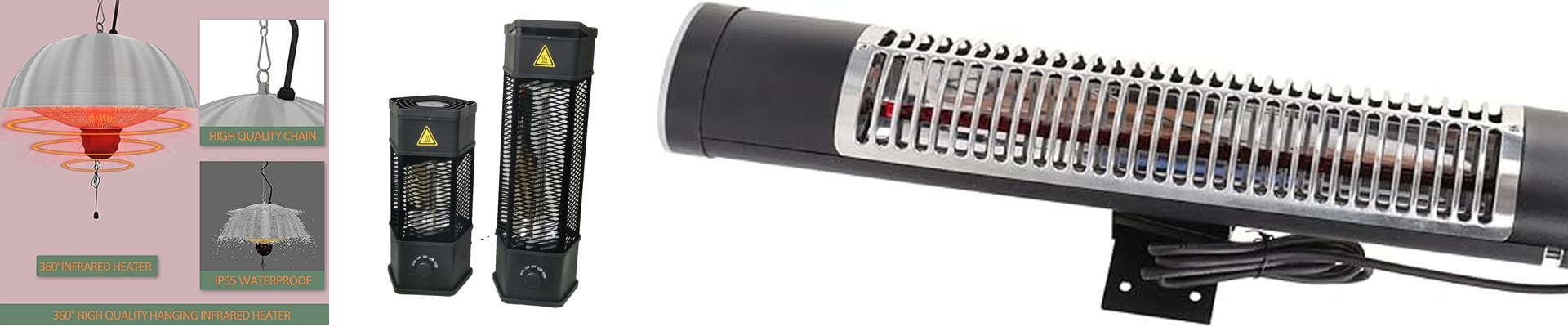
Let’s be honest: stepping into a freezing bathroom on a winter morning is the worst part of waking up. You turn on the heater, but by the time the air actually feels warm, you’re already dressed and out the door. That’s why we use short-wave infrared (IR) in our wall heaters. Instead of wasting time trying to warm up all the air in the room—which just drifts toward the ceiling—IR goes straight for you. It warms your skin and the surfaces around you instantly. No waiting. No lag. How the magic happens Most heaters are slow because they’re waiting on the room to catch up. IR is different. It’s more like standing in the sun on a crisp autumn day; you feel the heat the second it hits you. When you hook these up to a smart relay or a Zigbee/Matter hub, you can ditch the manual wall switch entirely. The element hits its peak temperature in seconds. It’s the difference between waiting ten minutes for a room to warm up and feeling like you’ve stepped into spring the moment you walk through the door. Getting it connected To get this working, we link the heater to your smart home hub using a dry-contact relay or a PWM controller. This is where it gets fun. You can set up a routine so the heater kicks in five minutes before your alarm even goes off. By the time you shuffle into the bathroom, the room is already waiting for you. Since these units need a bit more punch to keep that heat density high, we usually run them on a 220V-240V setup. Your control board handles all the heavy lifting, meaning you can trigger the heat from an app or just let a motion sensor do the work for you. A few things to keep in mind Now, it’s not all plug-and-play. Adding smart controls means your wiring gets a bit more involved. You can’t just shove these into a standard wall outlet if you want the automation to work—you’ll need a dedicated circuit and a compatible switch. And here is the most important part:placement is everything. Because IR heat moves in a specific direction, you can’t just slap the unit anywhere. If you mount it too high or tuck it into a corner, you’ll miss the beam and lose that “instant” feeling. You have to plan the height based on the emitter’s angle so the heat actually lands on you, not the towel rack.